

Last updated October 31, 2026
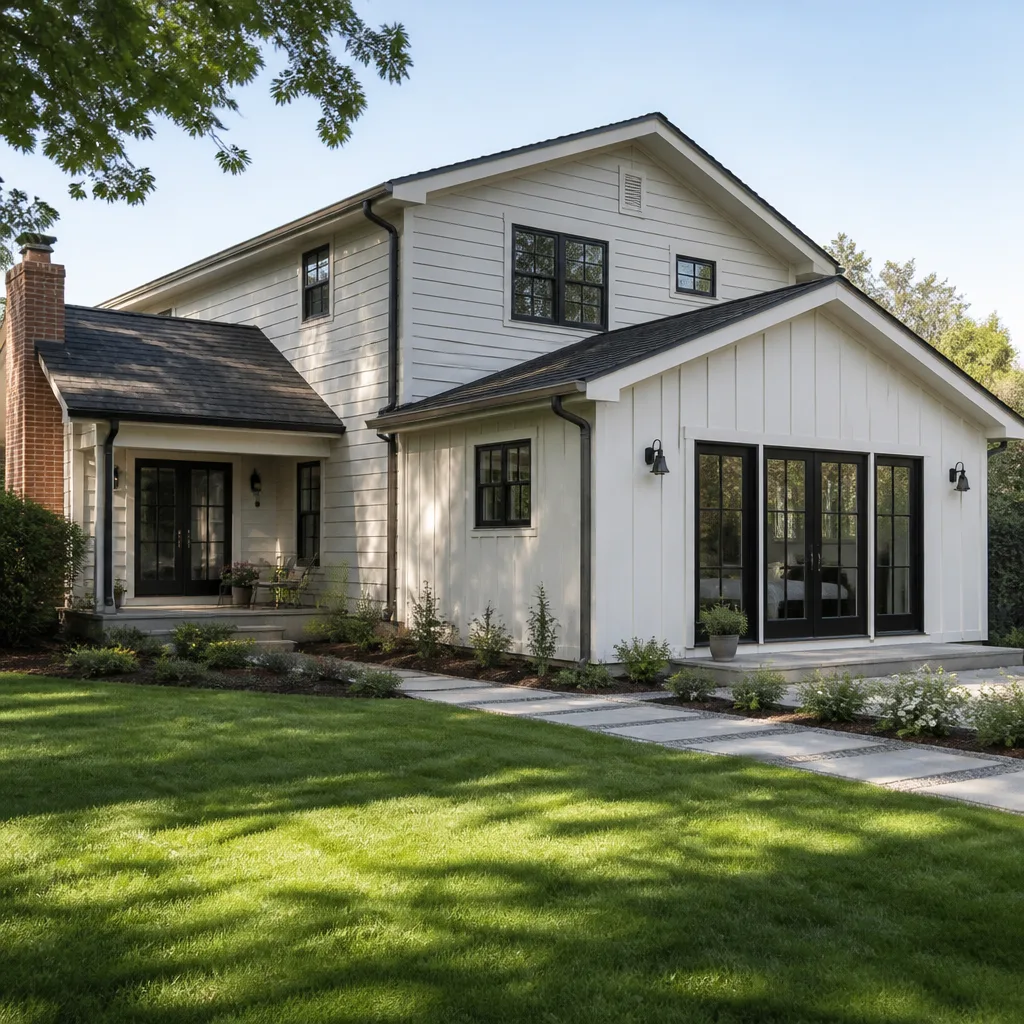 Home additions & ADU
 Kitchen remodeling
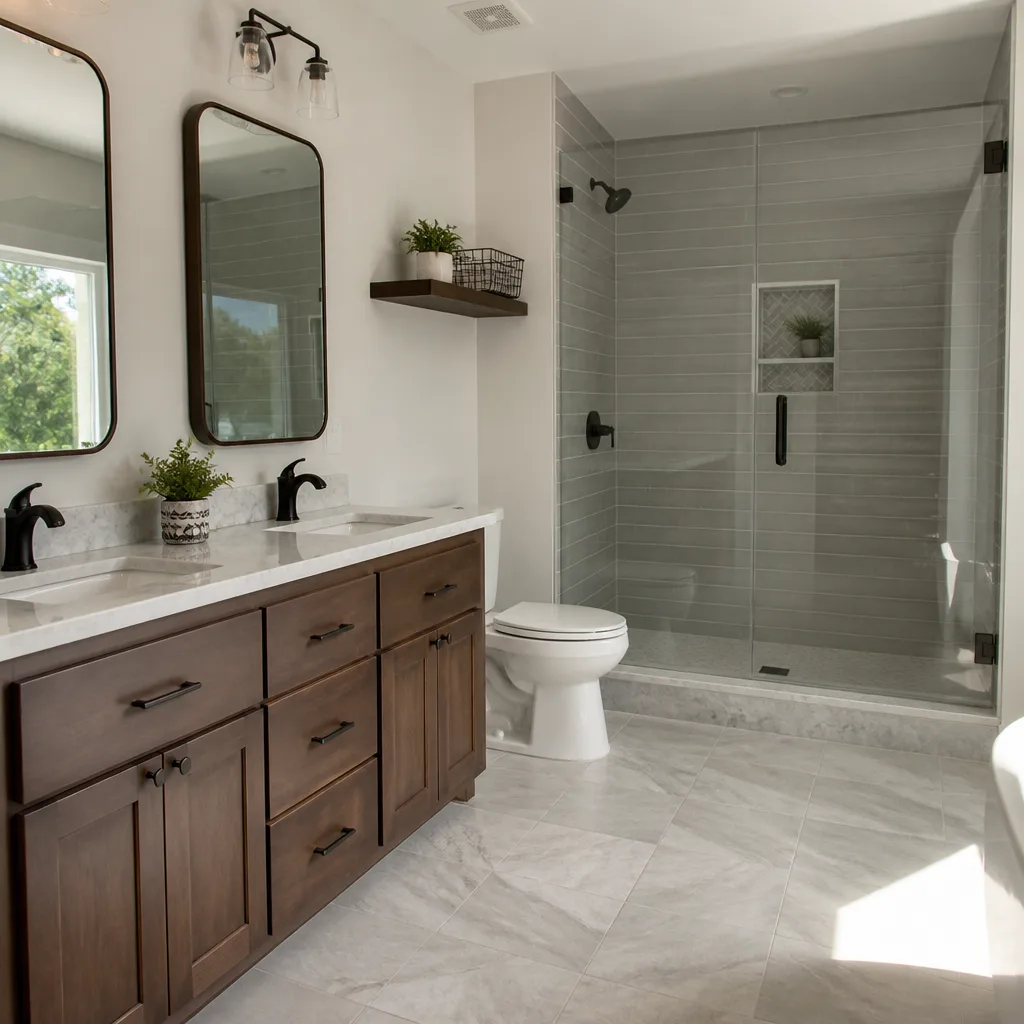 Bathroom remodeling
 Roofing
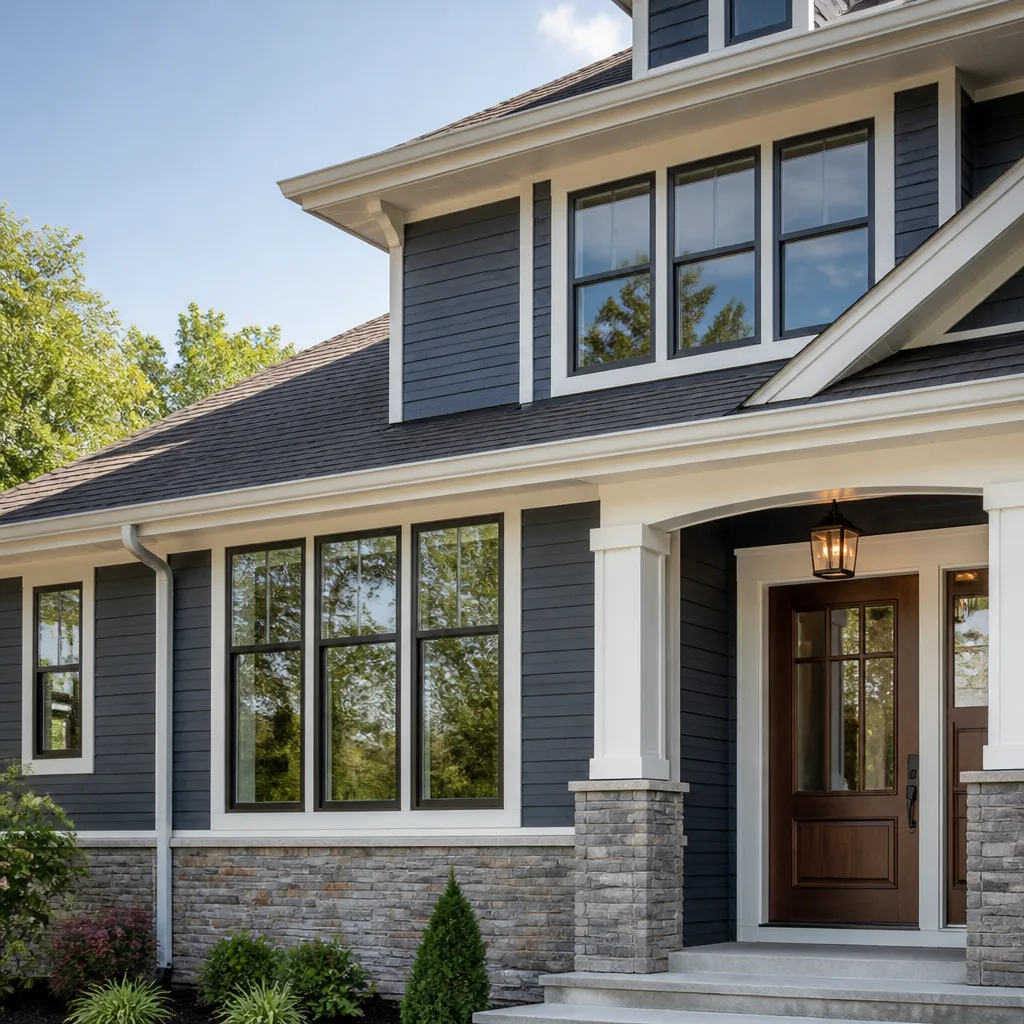 Windows & doors
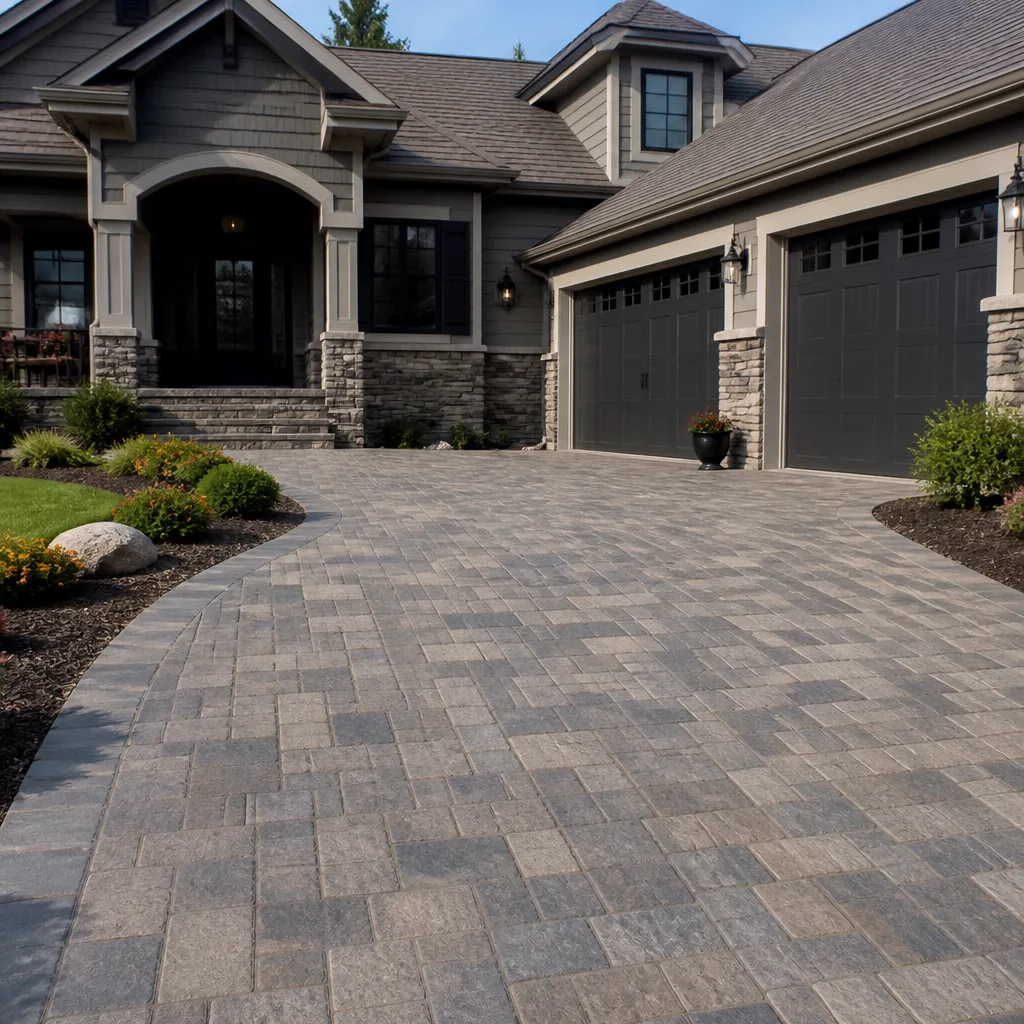 Driveway & pavers
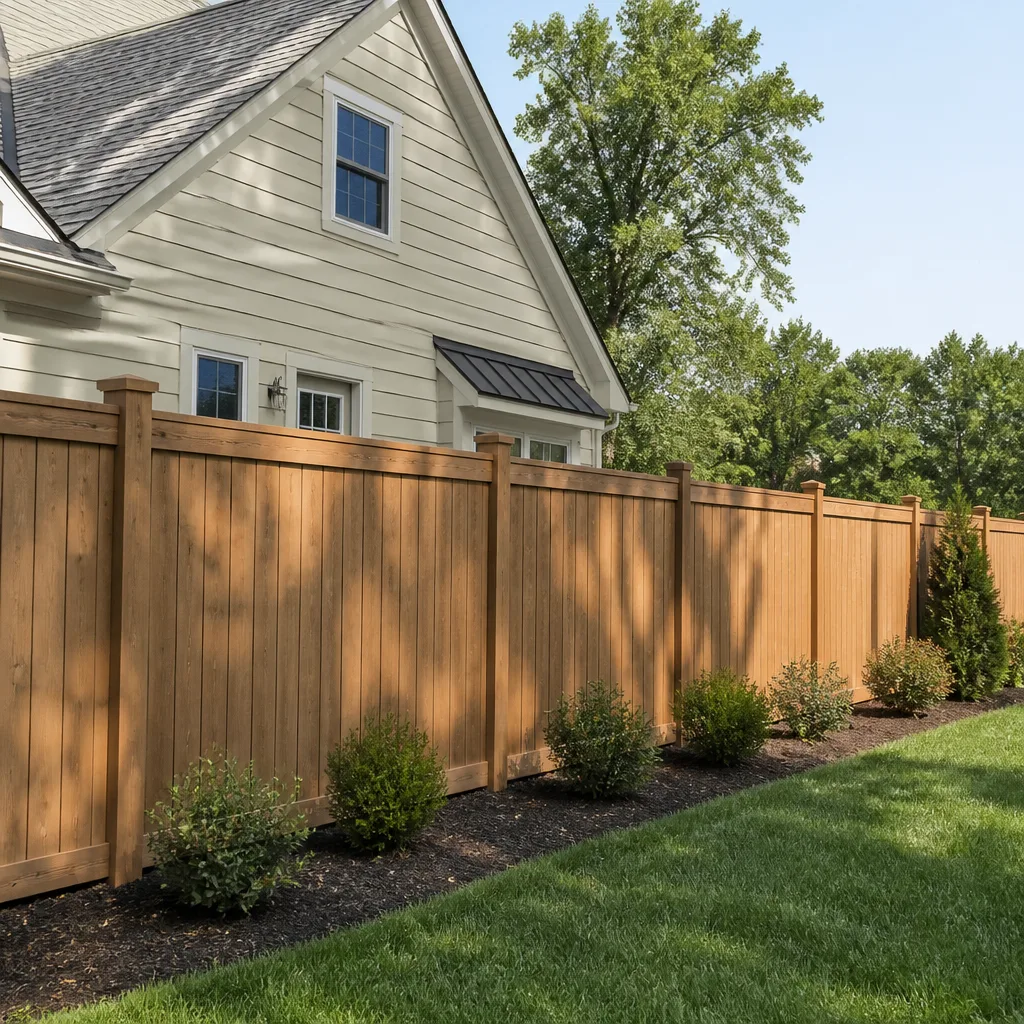 Fence
Free written scope consultation - allowances, timeline, and change-order rules on paper before a single trade is scheduled
Construction Emergency Preparedness Guide for Corona Homes
After a significant wind or seismic event in Riverside County, licensed contractor wait times in the affected area extend to 6-12 weeks. That’s not an estimate from a trade magazine – it’s what we’ve watched play out after every major Santa Ana wind season and every temblor that rattles the Corona foothills. Homeowners with pre-existing contractor relationships and documented home system records move to the front of that response line. Homeowners without them wait. This guide explains what construction emergencies actually happen most in Corona, what you should document now, and how to make decisions in the hours after an event without making a five-figure mistake.
Quick Answer
Construction emergency preparedness for Corona homes means three things: documenting your home’s structural and system details before anything happens, knowing which failures are statistically most likely in this specific climate and soil profile, and having a licensed general contractor relationship in place—see our DIY vs Professional Construction: The Corona Homeowner’s Decision Guide—so you’re not cold-calling strangers after a regional event. The goal is to shorten your wait time and protect your claim. Prepared homeowners don’t scramble – they execute a plan.
Styles & brands we work with
Table of Contents
- The Most Common Construction Emergencies in Corona
- What to Document Before an Emergency
- How to Verify an Emergency Contractor After a Regional Event
- Temporary Stabilization: What You Can and Cannot Do
- Why a General Contractor Relationship Changes Emergency Response
- Working With Insurance: Documentation That Accelerates Claims
- Corona-Specific Risk Factors You Should Know
- A 10-Step Preparedness Checklist for Corona Homeowners
The Most Common Construction Emergencies in Corona
Emergency calls to contractors in Corona don’t follow a random distribution. They cluster around three failure types, and understanding why each one happens here specifically will help you prioritize your preparation. Corona sits at the edge of the Santa Ana River canyon, where wind corridors funnel through at speeds that routinely exceed 60 mph during fall wind events. The soil under many Corona neighborhoods is expansive clay that shifts with seasonal moisture changes. And our summer heat loads, with weeks of triple-digit temperatures, push electrical systems to their designed limits.
1. Wind-Driven Roof Failures
Santa Ana winds hit Corona homes from the northeast, and they don’t hit evenly across a roofline. The windward edge takes the brunt of uplift pressure, and that’s where we see failures start – at the eave, not in the field of the roof. A roofing panel that held fine for fifteen years can lose its edge fastening in one sustained wind event. In our experience, the homes that fare worst are the ones where original-install edge flashing was never upgraded. Once a single panel peels at the eave, the wind gets under it and failures cascade across the entire roof plane within hours.
2. Slab Plumbing Leaks From Soil Movement
Corona’s clay soil expands when wet and contracts when dry. Over years of drought-wet cycles, that movement transfers stress directly to the cast-iron and copper lines running under slab foundations in neighborhoods built before roughly 1985. A slab leak isn’t always dramatic – a hot spot on the floor, a spike in the water bill, the faint sound of running water when no fixture is open. But left unaddressed, a slab leak erodes the soil bed under the foundation and can lead to settlement cracking. What starts as a plumbing repair becomes a foundation repair within a season if the leak goes undetected.
3. Electrical Panel Issues During Heat Events
When Corona hits 105 degrees for a week straight, air conditioning systems run nearly continuously and electrical panels get pushed to their amp limits. Older panels – especially the 100-amp and 125-amp services common in homes built in the 1970s and 1980s – weren’t designed for modern cooling loads plus electric vehicle chargers plus everything else we plug in now. The first sign is often a breaker that trips repeatedly, or a slight burning smell near the panel, or lights that dim when the AC compressor kicks on. These aren’t inconveniences. They’re early warnings of a potential electrical fire – and the fix, panel replacement or service upgrade, needs to happen before the next heat wave, not during it.
The pattern here is that all three of these emergencies are predictable. They’re not random acts of God. A roofline in a wind corridor, an old slab in expansive soil, an undersized panel in a heat zone – these are known risk profiles. A homeowner who knows their home’s profile can prepare for the specific emergency most likely to hit them.
What to Document Before an Emergency
The single highest-leverage thing you can do for emergency preparedness in Corona has nothing to do with buying supplies. It’s documentation. When a contractor shows up after a roof failure or a slab leak, their ability to assess the situation quickly depends on what they can see. But what they can see is often compromised – water damage hides framing, wind damage obscures original installation details, and emergency conditions mean nobody wants to open walls twice.
Your job, before anything happens, is to create a home construction record that answers the questions a contractor will ask. Here’s what that record should contain:
Roofing Documentation
- The year the roof was installed, and by whom, if you know it.
- The shingle or tile manufacturer and product line, if records exist. GAF, CertainTeed, and Owens Corning all make products with different installation specifications, and knowing the exact product matters for repair compatibility.
- Underlayment type – synthetic or felt – and whether a peel-and-stick ice-and-water shield was installed at the eaves.
- Ventilation design: ridge vent, box vents, or turbine vents. Corona’s heat makes proper attic ventilation a performance issue, not just a code checkbox.
- Photos of the roof from the ground on all four exposures, taken on a clear day, stored in a cloud folder.
Plumbing Documentation
- The age of your home’s original plumbing system – copper, galvanized, or PEX – and which portions have been replaced.
- Whether your home is on a slab foundation or raised floor. Slab homes in Corona are the slab-leak risk profile.
- The location of your main water shut-off valve and a photo of the valve showing its orientation when open. You’ll want this before a leak, not during one.
- Any past plumbing repairs, with dates and the contractor who performed them.
Electrical Documentation
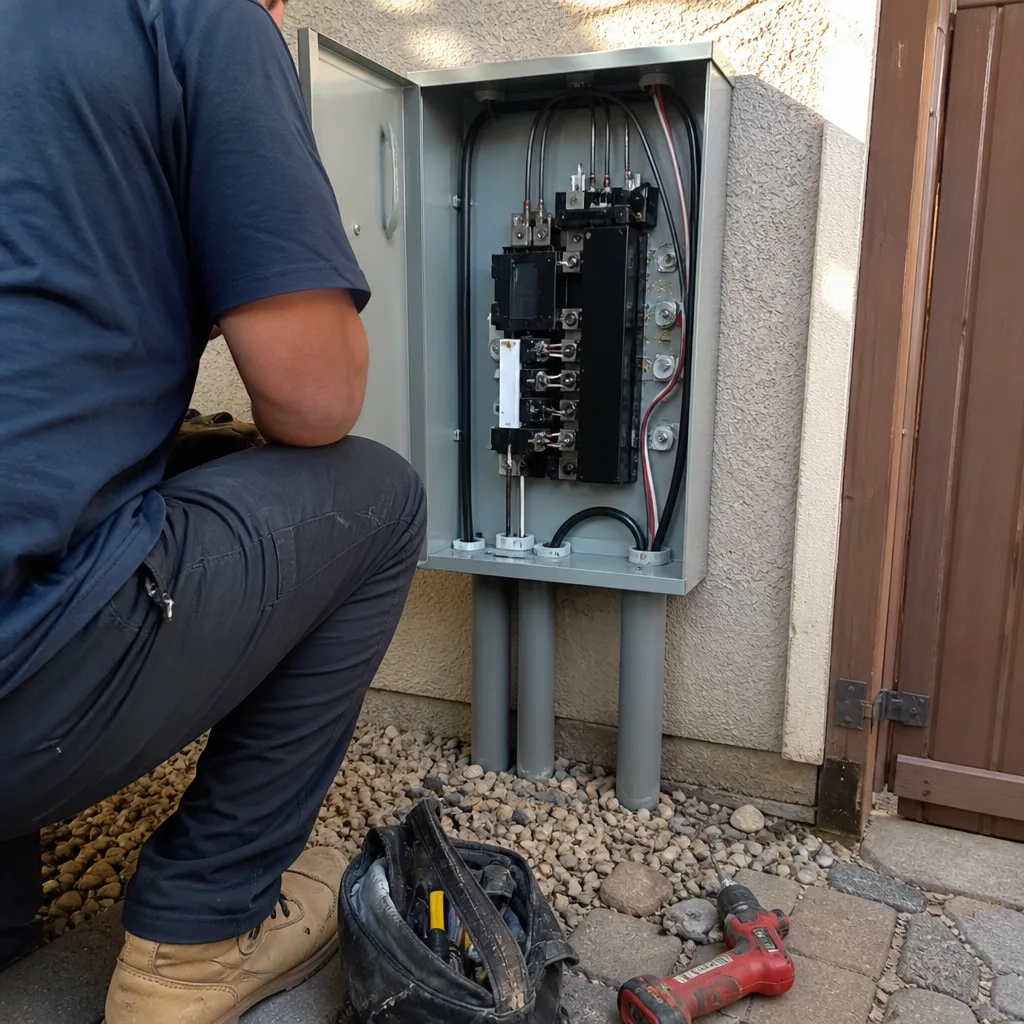
- Your panel’s amperage rating and year of installation.
- A photo of the panel with the door open, showing breaker labeling.
- Any past electrical work: service upgrades, subpanel additions, EV charger installation.
- Signs you’ve noticed – flickering lights, warm outlets, breakers that trip – with dates noted.
Structural and Exterior Documentation
- Foundation type: slab-on-grade, raised, or post-tension.
- Any past foundation repairs or crack monitoring you’ve done.
- Window and door brands, and whether they’re standard or impact-rated. This matters after wind events – an impact-rated window from PGT or CGI performs differently than a standard window in a wind-thrown debris scenario.
- Fencing type and installation year. Corona wind events regularly take down fences, and knowing whether your posts were set in concrete or dry-packed changes the repair approach.
Keep all of this in a single digital folder – photos, PDFs, notes. A shared cloud folder or a home binder both work as long as they’re accessible from a phone. When an emergency hits, you’ll send that folder to your contractor and cut hours off the assessment process.
How to Verify an Emergency Contractor After a Regional Event
After any regional event in Riverside County that damages a high volume of homes, the same thing happens every time: out-of-area contractors descend on the affected neighborhoods. Some are legitimate. Many are not. And in a post-emergency environment, the pressure to sign quickly is enormous – because you’re being told that if you don’t commit today, you’ll wait three months for a repair.
Here’s the ten-minute verification process that filters out unlicensed opportunists. Do these steps before you let anyone onto your property, much less sign anything:
- Ask for the contractor’s California State License Board (CSLB) number, then verify it at cslb.ca.gov. This takes ninety seconds. The CSLB database shows license status, the name the license is issued to, whether the license is active, and any disciplinary actions. If the person at your door doesn’t match the name on the license, that’s a problem.
- Check that the license classification matches the work. A “C-39” roofing license doesn’t authorize structural repair. A “B” general building license covers most residential emergency work. Don’t accept a specialty license for work that goes beyond the specialty.
- Ask for proof of workers’ compensation insurance. If an uninsured worker gets hurt on your property during an emergency repair, the liability can land on your homeowner’s policy. This is non-negotiable.
- Get a written scope of work with a not-to-exceed price before approving anything beyond temporary stabilization. In the chaos after an event, verbal estimates have a way of expanding. A written scope prevents that.
- Search the contractor’s name plus the word “complaint” and check the CSLB license history. Past enforcement actions are public record. Ten minutes of research beats a six-month legal fight.
One additional layer: a contractor who was working in Corona before the event is a contractor who’ll be here after it. Emergency fly-by-night operators leave when the easy work dries up. A local general contractor with a Corona presence has every reason to stand behind their emergency work, because they’ll still be your neighbor next year. For more on navigating the process, read Construction Permits, Codes & Inspections in CA: What You Need to Know.
Temporary Stabilization: What You Can and Cannot Do
Between the moment an emergency happens and the moment a contractor arrives, there’s a window where you’ll want to act. The instinct to “do something” is good. But doing the wrong thing can void your insurance claim or make the professional repair harder. Here’s the line between safe temporary action and risky overreach.
You should:
- Shut off water at the main valve if there’s an active leak. This is the first step in any plumbing emergency, and no insurance policy penalizes you for mitigating water damage.
- Place tarps over roof penetrations if you can reach them safely from the inside – for example, a bucket under an active ceiling leak, or a tarp laid over attic insulation to catch drips. Never climb onto a rain- or wind-slicked roof.
- Document everything with photos and video before touching anything. Insurance adjusters need to see the original condition.
- Turn off individual breakers for any circuit that’s sparking, smoking, or connected to water. If the main panel is damaged or you’re unsure, shut off the main breaker.
- Move furniture and valuables away from leaking areas.
You should not:
- Attempt roof repairs from the roof surface, especially after wind damage. Damaged roof framing is unpredictable, and a fall from even a single-story roof in Corona can be catastrophic. Wind-damaged roofs are structurally compromised – not a DIY surface.
- Open walls to “find the leak.” This destroys evidence your adjuster needs and often makes the repair larger.
- Attempt any electrical work beyond flipping breakers. Heat-damaged panels can retain dangerous energy even with the main off.
- Sign an emergency repair contract under time pressure without the verification steps in the previous section. Urgency is a sales tactic, not a safety feature.
- Make permanent repairs before the insurance adjuster documents the damage. Temporary stabilization is fine. Replacing a roof section before the adjuster sees it is a claim problem.
One Corona-specific note: our wind events are often followed by rain within 48-72 hours. This is the “double hit” scenario we see every fall—wind strips a section of roofing, then rain enters the opening and turns a roof repair into a full interior remediation. See our Construction Warning Signs: A Corona Homeowner’s Reference Guide for more seasonal risks. If your roof is breached, temporary water management inside the home is your top priority while you wait for professional response. The clock starts immediately, not when the rain starts.
Why a General Contractor Relationship Changes Emergency Response
There’s a structural difference between calling a roofing contractor after a wind event and calling a general contractor who already knows your home. It’s not about speed of answering the phone. It’s about what happens after.
A single-trade roofer sees a roof. They’ll assess shingle damage, write a scope for shingle repair or replacement, and be done. But in a Corona wind event, the damage is rarely isolated to the roofline. Wind that strips shingles also racks the walls. It pushes fences over. It can crack window seals, damage flashing, pull siding loose, and shift hardscaping. The homeowner who called a roofer gets a roof repair – then discovers three weeks later that water entered through a broken window seal or a gap in the wall flashing that was never on the roofer’s scope.
A general contractor walks the entire property. With one visit, they assess the roof, the windows and doors, the fence, the siding, the interior water damage – and they write one scope that addresses the full sequence of damage. That’s the difference. When Gold Star Contractors home clients have an emergency, we’re not dispatching a single-trade technician. We’re sending someone who understands how the roof failure interacts with the wall assembly, how the window flashing ties into the siding, and how the fence failure at the property line may have introduced a security issue that needs to be addressed alongside the structural repair.
For homeowners who’ve already built a relationship with a full-scope general contractor, the emergency response is materially different. We already know your home’s construction history. We know what’s original and what’s been replaced. We know the material brands installed. We can assess in one visit what would take three separate trade contractors three separate appointments to evaluate – and we can run the permit process through one accountable channel instead of three disjointed ones.
This is the real argument for a pre-existing contractor relationship. Not that we answer the phone faster in an emergency. That when we arrive, we already know what we’re looking at – and we’re licensed for the full scope of whatever we find. That’s what “single-source contractor” means in practice: General Contractor in Anaheim teams see these same scenarios every fall wind season, and the pattern is always the same. The homes with a standing relationship get the full-scope assessment. The homes without one get whatever the first single-trade contractor they reach happens to specialize in.
Working With Insurance: Documentation That Accelerates Claims
Your insurance claim after a construction emergency moves at the speed of your documentation. The adjuster who walks your property after a wind event or plumbing failure is looking for two things: proof of what was there before the event, and proof of what changed. If you can provide the “before” instantly, the “after” gets processed faster.
Here’s the documentation sequence that accelerates claims in our experience:
- Pre-event photos of your home’s major systems. This is the documentation folder we covered earlier. Photos of your roof, your panel, your plumbing access points, your windows, your fence – taken on a clear day, stored in the cloud. After an event, these become your “before” evidence.
- Time-stamped post-event photos, taken before any cleanup begins. Photograph everything from multiple angles. Shoot wide shots showing the whole property, then close-ups of each damaged area. If water is actively entering the home, photograph that too.
- Your home inventory records. If personal property was damaged – furniture, electronics, clothing – your claim needs documentation of those items. Photographs, receipts, and purchase records all count.
- Your contractor’s written scope of repair. Once a professional assesses the damage, their written scope becomes the document the adjuster checks the claim against. A detailed, line-item scope from a contractor who knows the materials involved accelerates approval. A vague one-sentence scope from a contractor who hasn’t examined the full property slows everything down.
- All communication with anyone who’s assessed the damage. Keep a written record of who visited, when, and what they said. This includes contractors, adjusters, and anyone from your insurance company.
One point we can’t stress enough: if your home has had Home Remodeling in Anaheim-style renovations in the past, those renovation records are insurance gold. Upgraded materials, permitted additions, documented system replacements – all of these increase the replacement cost your policy needs to cover, and documentation proves the upgrade existed. A kitchen remodeled with Cambria countertops and a roof replaced with GAF shingles have different replacement values than the originals, and your claim should reflect that. If you have renovation records, keep them in the same emergency folder.
Corona-Specific Risk Factors You Should Know
Corona isn’t just any Southern California city. Our specific geography creates risk patterns that don’t appear in the same way in Anaheim, Riverside, or Orange. Understanding these factors is what turns generic “emergency preparedness” into Corona-specific preparedness.
The Santa Ana Wind Corridor
Corona sits at the mouth of the Santa Ana River canyon, which acts as a natural wind funnel. When high-pressure systems form over the Great Basin, the wind that flows through this corridor accelerates as it compresses through the canyon. By the time it reaches Corona neighborhoods on the canyon’s edge – especially in the foothills northeast of the city center – gusts routinely hit 60 mph and have exceeded 90 mph in historic events. This isn’t a gradual wind; it’s a sudden, directional force that hits homes repeatedly over 24-72 hours. The homes most exposed are those on ridgelines and at the top of slopes, where there’s no upwind structure to break the force.
Expansive Clay Soil
The soil under much of Corona is expansive clay – soil that swells when it takes on moisture and contracts as it dries. This movement is the driving force behind most slab foundation issues we see in the city. Homes built before the mid-1980s often have shallower slab designs and older plumbing materials that are more vulnerable to the flexing this soil movement creates. If your home is in a Corona neighborhood with mature trees close to the foundation, you have an additional risk factor: tree roots draw moisture from the soil unevenly, creating differential movement that concentrates stress in specific foundation areas.
Heat Loading on Building Envelopes
Corona’s summer temperatures regularly exceed 100 degrees for consecutive days, and this heat loading stresses the building envelope in specific ways. Roofing materials expand and contract through daily temperature swings that can exceed 50 degrees. Window seals fail faster in this environment. Exterior paint and caulking break down more quickly. These aren’t dramatic failures – they’re slow degradation that makes the dramatic failure more likely when wind or seismic events arrive. A roof that’s been through fifteen Corona summers has less fastening integrity than the same roof would have after fifteen years in a coastal climate.
Wildland-Urban Interface Zones
Parts of Corona sit in wildland-urban interface zones, where homes meet undeveloped hillside vegetation. These zones create a specific emergency profile: wind-driven ember intrusion is a real fire risk during Santa Ana events, and the same wind that damages roofs is what carries embers from wildfire fronts. If your home is in one of these interface zones, construction choices matter for fire resilience – roof material, eave design, vent screening, and vegetation clearance all interact with the structure in an emergency. A general contractor who understands these interface requirements can assess how your home’s construction profile translates to risk reduction.
A 10-Step Preparedness Checklist for Corona Homeowners
Here’s the complete preparedness sequence, condensed into ten concrete steps you can complete in a weekend. Each one takes less than an hour, and each one closes a specific gap we see in Corona homes after every regional event.
- Create a digital home record folder. Cloud storage, shared with any other adult in the household. This is where everything else goes.
- Photograph your home’s major systems. Roof from all four ground angles, electrical panel with door open, water main shut-off valve, water heater, HVAC unit, all exterior walls, windows, doors, fence lines, hardscaping, and interior rooms. Forty to sixty photos total.
- Locate and document your main water shut-off valve. Test it once to confirm it works. You don’t want the first time you turn it to be during an active leak.
- Locate and document your main electrical shut-off. Know where the main breaker is and how to switch it off. If you have a subpanel, document that too.
- Record your home’s construction details. Foundation type, roof age and materials, panel amperage, plumbing material, window and door brands, fencing type, year built, any major renovations with dates.
- Compile renovation records. Permits, contractor scopes, material invoices, warranty documents – all in the digital folder.
- Identify your home’s specific risk profile. Are you in a wind-exposed location? On expansive soil? In a wildland-urban interface zone? Know which of the three most common Corona emergencies is most likely for your property.
- Build a shortlist of licensed contractors before you need one. Verify CSLB licenses now, when there’s no time pressure. A general contractor who has visited your home for even a non-emergency consultation is worth more in an emergency than a stranger from out of the area.
- Review your homeowner’s insurance policy. Know your deductible. Know what’s covered for wind, water, and earth movement. Corona homes on expansive soil may have specific policy exclusions around foundation issues – know them before you need to file a claim.
- Store the emergency folder offline too. A USB drive in a fireproof safe means your documentation survives even if the cloud is inaccessible and your phone is dead.
Common Mistakes to Avoid
- Waiting until the event to find a contractor. After a regional event, the good local contractors are booked within days. The ones still advertising availability three weeks later are often the ones you don’t want. Build the relationship before you need it.
- Signing an emergency contract under time pressure. The “sign today or wait three months” pitch is a pressure tactic. A licensed contractor can hold a scope for 48 hours while you verify and think. If someone won’t give you that time, that’s your signal.
- Accepting a single-trade assessment for multi-system damage. A wind event that damages your roof probably damaged your windows, fence, and siding too. A roofer won’t catch all of that. Get a full-property assessment from a general contractor if there’s any chance the damage extends beyond one system.
- Documenting the “after” without any “before.” Insurance claims move faster when you can show what changed. The “before” photos are what make the “after” photos meaningful. Skip the before documentation and you’re negotiating from a weaker position.
- Doing too much before the adjuster arrives. Cleanup is fine. Removal of damaged materials is not. The adjuster needs to see the damage in place, not in a dumpster.
- Ignoring the small signs that precede emergency failures. The slab leak that floods your living room started as a hot spot on the floor months earlier. The panel that fails during a heat wave was tripping breakers last summer. Early attention converts emergencies into routine repairs.
- Assuming your insurance covers everything. Earth movement, flood, and specific wind exclusions all exist in policies held by Corona homeowners. Read your policy before the event, not during the claim.
See the difference
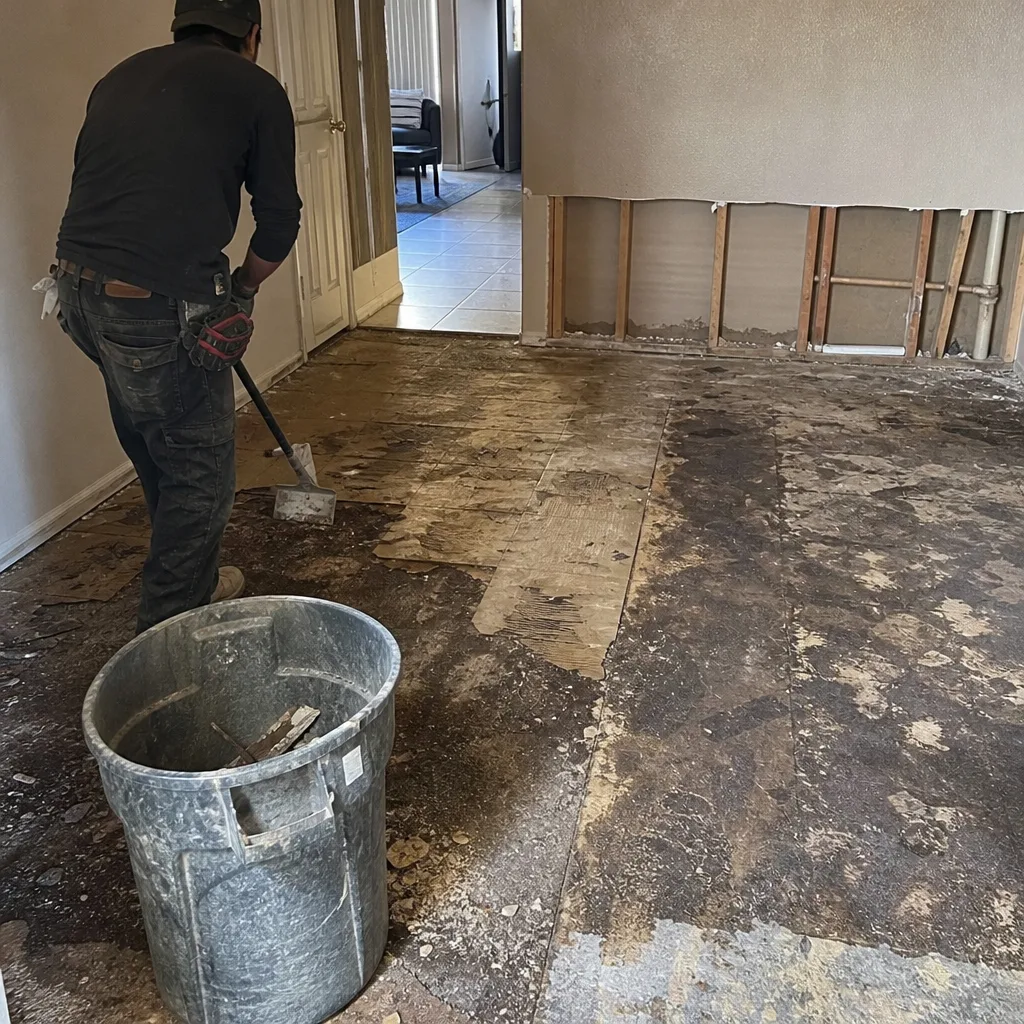 Before
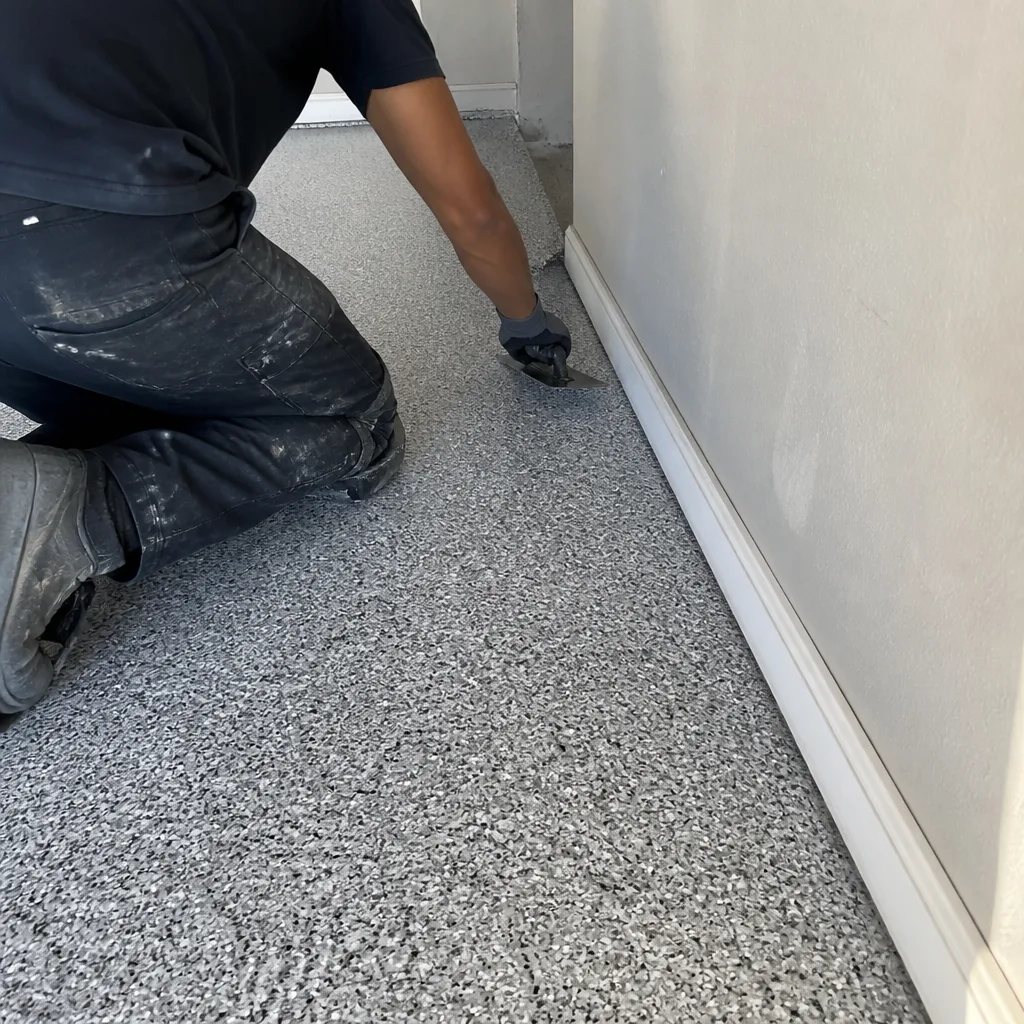 After
 Before
 After
 Before
 After
When to Call a Professional
Some construction issues are DIY-appropriate. Emergency conditions are not. Call a professional immediately if your roof has visible damage after a wind event, if water is entering your home from any source, if your electrical panel is hot to the touch or emitting any odor, if you see new cracks in walls or ceilings that appeared suddenly, if your fence has fallen and created a property or security issue, or if you hear running water when all fixtures are off. These are not weekend projects. These are conditions where delay multiplies cost and risk. Home Renovation in Anaheim clients face the same emergency patterns we see in Corona, and the lesson is consistent: early professional assessment saves money every time. Gold Star Contractors offers free estimates in Corona – call (833) 382-8544.
Frequently Asked Questions
Wind-driven roof failure during Santa Ana events is the most frequent construction emergency we see in Corona, followed closely by slab plumbing leaks caused by expansive soil movement and electrical panel overloads during summer heat waves. These three failure types account for the large majority of emergency service calls in the city, and all three are predictable based on a home’s age, location, and construction profile.
Six to twelve weeks for licensed, established contractors is realistic after a major wind or seismic event affecting Riverside County. The exact wait depends on the event’s scope – a localized wind event might only add two weeks, while a county-wide event strains every trade simultaneously. Pre-existing contractor relationships bypass the worst of the queue because the assessment and scoping work was done before the emergency.
If the damage is isolated to one system – a single broken window, a fence panel, a minor roof puncture – a licensed specialist is appropriate. But if there’s any chance the damage extends across systems, or if the full extent isn’t yet visible, a general contractor provides a single full-property assessment that prevents missed damage. A wind event that damaged your roof often damaged your windows, siding, and fence as well, and a specialist won’t assess what’s outside their trade. Call (833) 382-8544 for a free estimate on your specific situation.
Shut off water or electricity at the main valves if there’s an active leak or electrical hazard. Move valuables away from the affected area. Photograph everything from multiple angles before touching anything. Then call your contractor and your insurance company, in that order. The contractor’s assessment will inform what you tell the insurance company, not the other way around.
Most standard homeowners policies cover sudden water damage from slab leaks and wind damage from Santa Ana events, but coverage specifics vary widely. Policies may exclude gradual foundation movement, may cap water damage payouts, and may have separate wind deductibles. The only way to know is to read your policy now and ask your agent specific questions about slab leak coverage and wind event coverage. If a claim is denied for either, the appeal process starts with your pre-event documentation.
Ask for their CSLB license number and verify it at cslb.ca.gov, confirm the license classification covers the work being proposed, ask for workers’ compensation insurance proof, and search their name alongside “complaint.” A legitimate contractor will provide all of this without hesitation. Anyone who resists verification is telling you something. If you’re unsure, call Gold Star Contractors at (833) 382-8544 for a free estimate – we’ll assess the damage and you can compare us against anyone else who’s knocked on your door.
The Bottom Line
Construction emergency preparedness for Corona homes isn’t about earthquake kits or stockpiling water. It’s about knowing your home’s specific risk profile, documenting your home’s systems before an event, and having a licensed professional relationship in place before the wind blows or the ground shifts. The homeowners who navigate emergencies best are the ones who can hand a contractor a complete home record, verify anyone new who shows up, and make a full-scope assessment decision without time pressure. Preparation is the difference between a controlled repair process and a scramble. Explore more guides & resources to keep your home protected year-round. Your home is too important to coordinate five different contractors in an emergency. Prepare now, and the next event becomes a management exercise instead of a crisis.
Written by the team at Gold Star Contractors, serving Corona since 2012.