

Last updated October 31, 2026
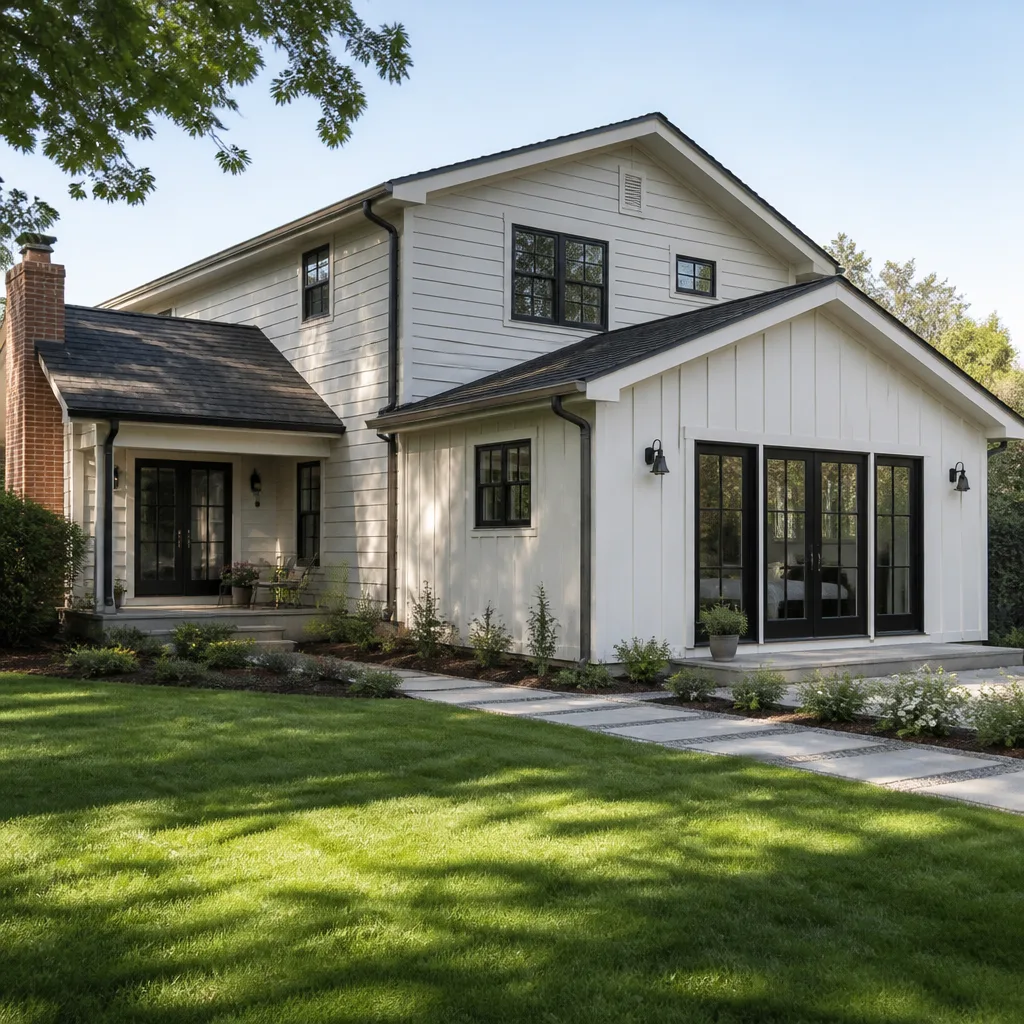 Home additions & ADU
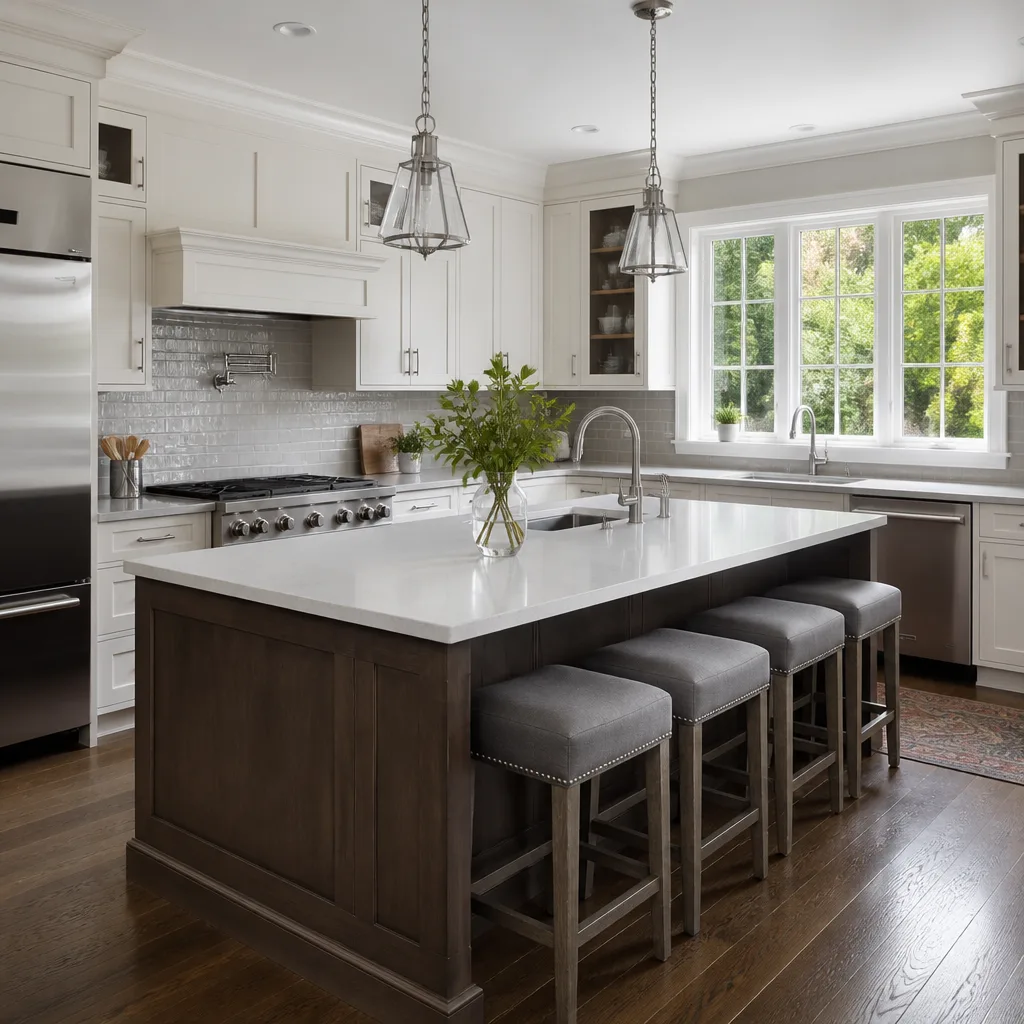 Kitchen remodeling
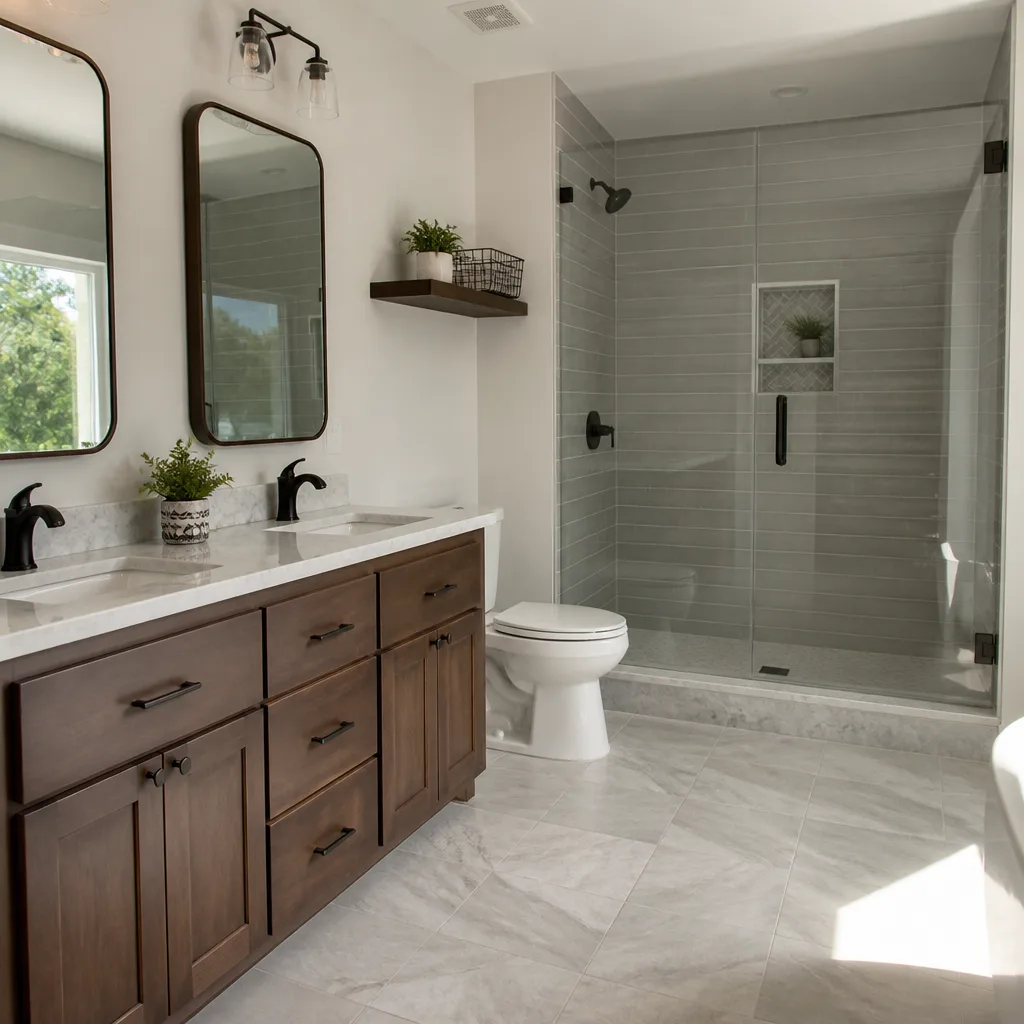 Bathroom remodeling
 Roofing
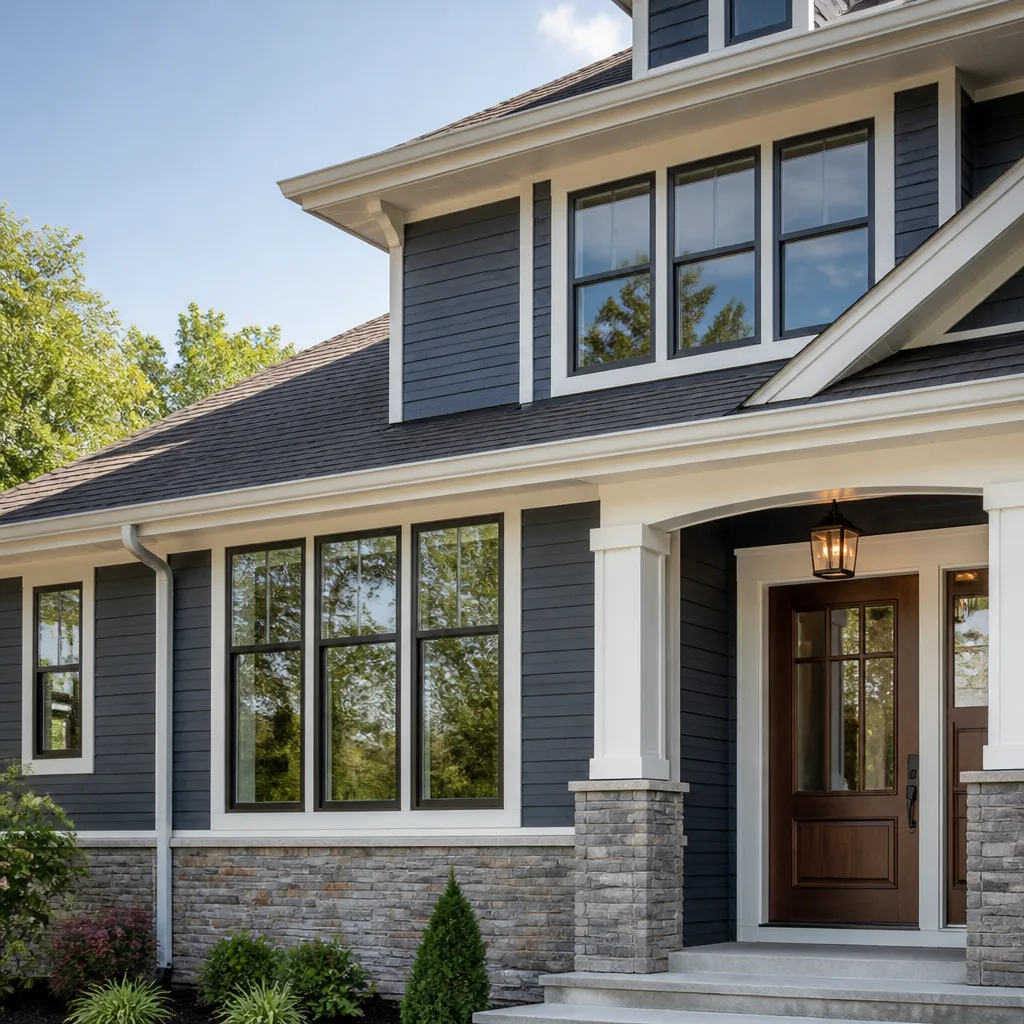 Windows & doors
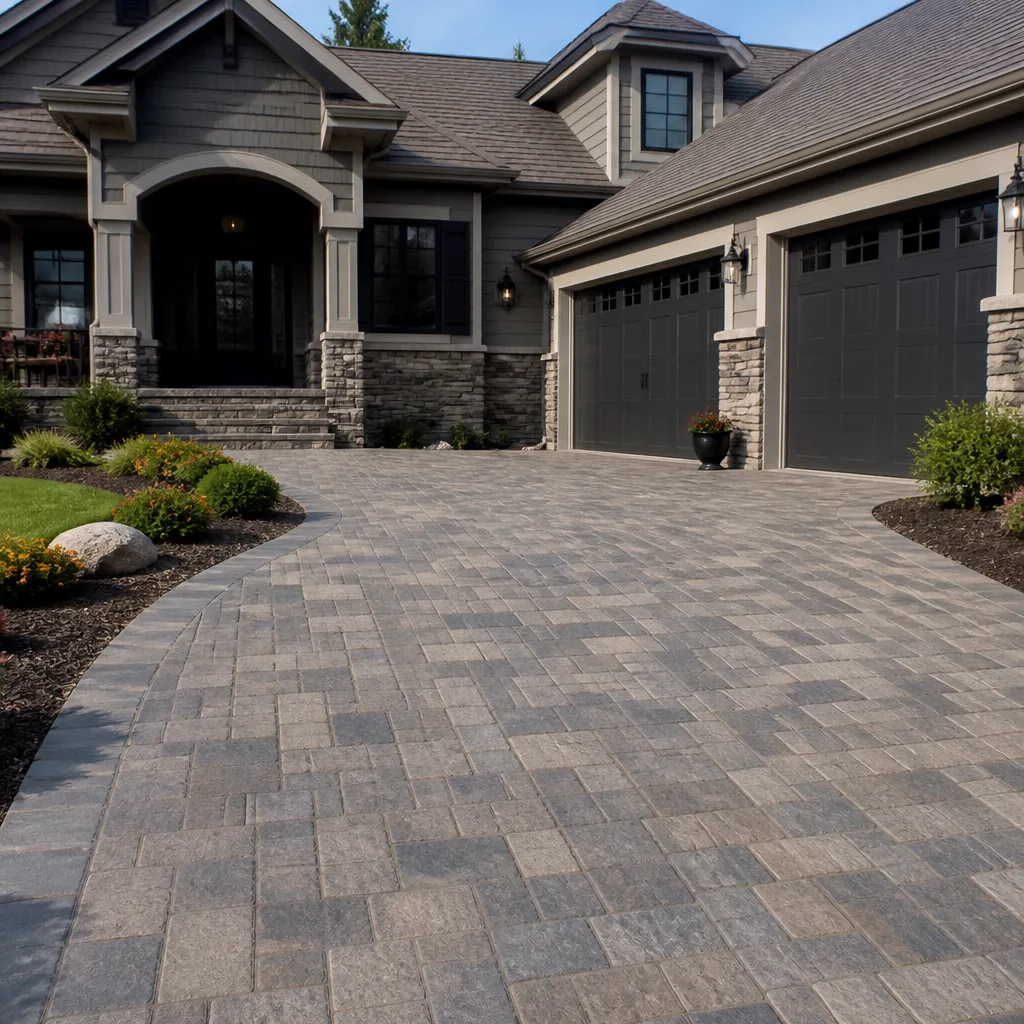 Driveway & pavers
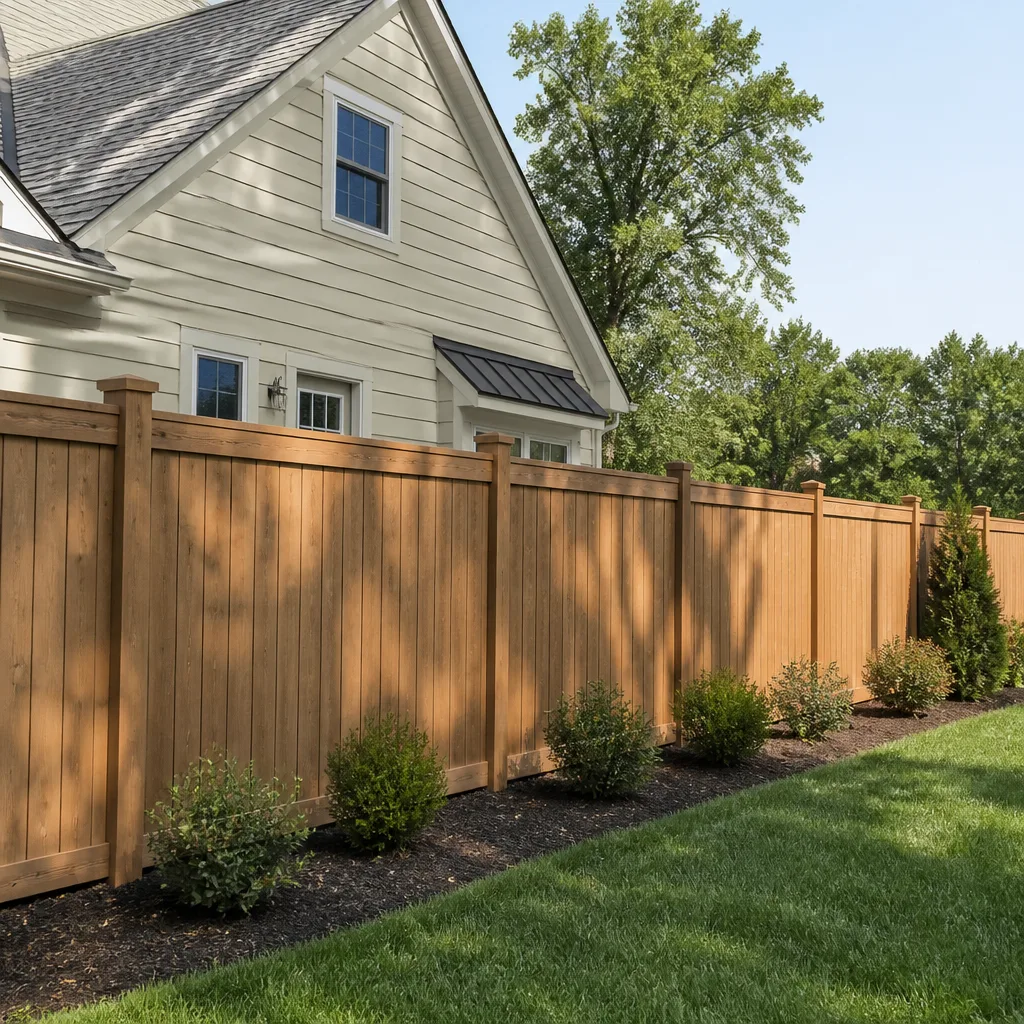 Fence
Free written scope consultation - allowances, timeline, and change-order rules on paper before a single trade is scheduled
DIY vs Professional Construction: The Corona Homeowner’s Decision Guide
Here is a number most Corona homeowners never hear until it is too late: roughly 30% of all residential construction work in Riverside County is eventually redone, repaired, or corrected because the original work did not meet code, and a meaningful share of that work was performed by unlicensed operators or under owner-builder permits that were never intended for the scope involved. The real cost of DIY is not the YouTube tutorial or the second trip to the hardware store. It is the title search, ten years later, that comes back with an unpermitted bathroom addition and a buyer’s lender who will not fund until it is torn out. This guide walks you through the decision framework we use with homeowners across Corona, including Temescal Valley, Eagle Glen, and Sierra Del Oro, so you can separate honest sweat equity from latent liability, and points you to more guides & resources for ongoing projects.
Styles & brands we work with
Quick Answer
DIY makes financial sense in Corona for cosmetic interior work, basic landscaping, and fixture swaps that stay below California’s permit and trade-licensing thresholds. It becomes a poor decision, and often a legal liability, the moment a project crosses into structural, electrical, plumbing, or the CSLB contractor-required scope, because California ties unpermitted work to the property record, not the person who did it. For any project that touches multiple trades, a full-scope general contractor usually costs no more than a DIY attempt once tooling, do-overs, and permit exposure are priced in, and the result is insurable and sellable.
Table of Contents
- The Permit Liability Nobody Talks About
- What California Law Actually Says About DIY Construction
- Where DIY Genuinely Works in a Corona Home
- The True Cost of DIY: A Framework Beyond Materials
- When Multi-Trade Coordination Changes the Math
- The Owner-Builder Disclosure: What You Actually Sign
- Corona-Specific Factors: Climate, Code, and Market
- Common Mistakes to Avoid
- When to Call a Professional
- Frequently Asked Questions
- The Bottom Line
The Permit Liability Nobody Talks About
Most DIY-versus-pro discussions start and end with skill level. Can you lay tile? Can you run a drain line? Can you frame a wall that does not sag? These are real questions, but they miss the one that matters more in California. When a project requires a permit and the work is done without one, the resulting unpermitted condition attaches to the property record. It is a title encumbrance. It follows the house, not the homeowner who created it.
This is why we tell Corona homeowners to stop thinking about DIY as a labor decision and start thinking about it as a property-value decision. A new kitchen backsplash you installed yourself will never show up on a title report. A bathroom addition built under an owner-builder permit that was never signed off will, and it can surface at the worst possible moment. We have seen sellers in the Corona market lose weeks to escrow extensions while a buyer’s lender conditions funding on retroactive permits, which requires opening walls, exposing work, and often correcting it. The seller then pays twice: once for the original DIY, once for the remediation, and a third time in the price reduction a nervous buyer demands.
The lesson is not that DIY is bad. It is that DIY has a specific legal zone in California, and staying inside that zone is what the smart homeowner does.
What California Law Actually Says About DIY Construction
California is not vague about this. The Contractors State License Board (CSLB) requires a licensed contractor for any project where the combined value of labor and materials exceeds $500, with serious exceptions carved out. The $500 threshold is low enough that almost any meaningful project crosses it. More importantly, the law specifies trades that require a contractor license regardless of dollar value.
A Corona homeowner cannot legally perform or hire an unlicensed person for the following:
- Structural work: Moving a bearing wall, cutting roof trusses, changing a foundation, enlarging a window opening, or adding a room.
- Electrical: Any new circuit, panel work, subpanel installation, or branch circuit wiring beyond replacing a like-for-like fixture or receptacle.
- Plumbing: Any new drain, vent, supply line, water heater installation, or gas line work beyond replacing a faucet, trap, or angle stop.
- HVAC: Installing, replacing, or relocating any air handling equipment, ducting, or refrigerant lines.
- Roofing: Any tear-off or new roof system on a residential structure. California does not have a homeowner roofing permit path in any county we work in.
- Fenestration changes: Cutting a new window or door opening, or changing the structural size of an existing one. Swapping a same-size window into an existing buck is a gray zone that we recommend treating as professional scope.
What remains for the homeowner is cosmetic. Interior paint, flooring, baseboard, crown molding, cabinet hardware, faucet and fixture swaps, light fixture swaps, and most landscaping and hardscaping that does not alter drainage or tie into a structure. This is not a small list, and it is where legitimate DIY value lives in Corona.
The $500 threshold deserves a second look because it surprises people. It is not $500 in profit. It is $500 in combined labor and materials. A Wednesday afternoon changing out three recessed light housings with a handyman you found on a neighborhood app can technically exceed it. This is the line between maintenance and construction, and California draws it deliberately low.
Where DIY Genuinely Works in a Corona Home
We are not here to tell you that every hammer swing requires a contractor. That is not true, and it is not advice we would give a friend. There is real money to be saved in Corona on projects that stay clearly inside the cosmetic zone, and those projects are satisfying to complete. The key is knowing the boundary and not drifting across it because the project is going well.
The Safe DIY List for Corona Homeowners
- Interior painting: Full repaints, accent walls, cabinetry refinishing if it stays cosmetic. Corona’s dry inland air actually helps paint cure faster than coastal humidity, which makes this one of the more forgiving DIY projects in our climate.
- Flooring: LVP, laminate, and engineered click-lock flooring over an intact subfloor. Do not glue down hardwood or install tile over an existing slab without understanding moisture testing in Riverside County, where slab vapor drive varies neighborhood to neighborhood.
- Trim and millwork: Baseboard, crown, door casing, shoe molding. This is finish carpentry that requires patience more than licensure.
- Cabinet hardware and soft-close retrofits: Dull work, real savings, zero permit exposure.
- Fixture swaps: Faucets, angle stops, sink drains, light fixtures, ceiling fans where a rated box already exists. If the box is not rated, stop and call someone.
- Landscaping and hardscaping: Planting, mulch, paver patios under a certain height that do not alter site drainage or attach to the structure. Corona’s compacted clay soil rewards proper base prep, but a homeowner can learn it.
- Caulking, weatherstripping, and basic weatherization: High-value, low-risk work that pays for itself in a single Corona summer.
What all of these share is reversibility. If you paint a wall and hate the color, you repaint. If your paver patio sinks, you lift pavers and redo the base. What they do not share with the risky side of DIY is a connection to load, water entry, combustion, or the electrical panel. That is the line, and it is a bright one.
The True Cost of DIY: A Framework Beyond Materials
The most common mistake in DIY cost analysis is comparing the price of materials to a professional bid and calling the difference savings. That comparison omits four cost categories that every experienced contractor builds into a bid and every first-time DIYer discovers on the third weekend.
- Tool acquisition and consumables. A professional bid includes the amortized cost of a table saw, a tile saw, a laser level, and the blades, bits, and fasteners that wear out. A homeowner buys all of this at retail. For a single kitchen remodel, tooling alone can run $800 to $1,500, and specialty tools like a dry-cut tile saw or a flooring nailer are not worth owning for one job.
- The do-over rate. We do not know a single contractor who got their first tile layout perfect. The difference is that a contractor’s mistakes are corrected on their time and their dime inside a fixed bid. A homeowner’s mistakes are corrected on weekends with new materials purchased at retail. A realistic first-time do-over rate on tile, drywall, and custom trim is 15 to 20 percent.
- Time cost. This is where the framework usually collapses. If you earn $45 an hour in your regular job and the project will eat 120 hours of nights and weekends, the labor is not free; it is $5,400 of your time, and that is before we account for the weekends lost to family, rest, and the rest of your life. Corona homeowners who work in Orange County and lose three hours a day to the 91 or the 15 are not choosing between DIY and idle time. They are choosing between DIY and the little free time they actually have.
- Permit and liability exposure. If the project crosses a permit threshold and you proceed as an owner-builder, you now own the liability for the work for as long as you own the house, and in a sale, for as long as the disclosures require. This is a cost that does not appear on any receipt and dwarfs every other line item.
We encourage homeowners to run this four-line framework on any project above about $1,500 in materials. Write down the real tool cost, a conservative do-over percentage, an honest hour estimate, and a yes or no on permit exposure. The answer usually changes from what the materials-only comparison suggested.
When Multi-Trade Coordination Changes the Math
There is a category of project where a professional general contractor does not just mitigate risk, it delivers a better financial outcome than even a skilled DIY attempt, as outlined in our General Contractor Maintenance Checklist for Corona Homeowners. These are projects that cross three or more trades, where the work has to happen in sequence, and where a mistake in trade one cascades through trades two and three.
A kitchen remodel is the textbook case. The sequence is demo, rough plumbing and electrical, inspection, insulation and drywall, inspection, finish plumbing and electrical, flooring, cabinetry, countertops, backsplash, appliance installation, and trim. Each trade depends on the one before it. A homeowner managing this alone becomes a project coordinator for subcontractors who do not answer to them the way they answer to a general contractor with recurring work to offer, which is why our General Contractor Troubleshooting: Common Problems and How to Fix Them covers coordination failures in detail. The homeowner pays retail sub rates, waits at the back of the queue, and owns every schedule slip between trades.
A room addition is worse, because it adds structural engineering, foundation work, roof framing, and a series of inspections that require the work to be opened and closed on schedule. A full-scope general contractor coordinates these trades through a single project team, pulls the permits, schedules the inspections, and is accountable for the result. This is what Gold Star Contractors home is built around: one contractor managing the entire transformation lifecycle instead of five vendors each owning one piece of it.
The math matters. A general contractor’s multi-trade coordination saves a homeowner not just the do-overs, but the lost weeks between trades, the retail sub pricing, and the mistakes that happen when the plumber does not talk to the drywaller. In our experience, the coordination savings on a kitchen or bath remodel in Corona usually covers the contractor’s overhead, and then the homeowner gets the warranty and the permitted sign-off for the same total cost.
The Owner-Builder Disclosure: What You Actually Sign
California does allow a homeowner to act as an owner-builder. You can pull permits in your own name for work on your own primary residence, and the CSLB provides a disclosure form that acknowledges you are not a licensed contractor and are assuming liability as such. Most real estate attorneys we have spoken with advise against it on any project above a certain value, and here is why.
When you sign an owner-builder permit application, you are certifying that you are doing the work yourself or hiring licensed subcontractors you are directly responsible for. That responsibility includes worker’s compensation coverage, payroll tax withholding if you are acting in a supervisory role, and liability for defects. The form requires you to disclose the owner-builder status when you sell, and any work covered by that permit becomes a flagged item on the property disclosure. Lenders do not love it. Buyers do not love it either, because it tells them the work was built outside a licensed contractor’s accountability.
The practical threshold most attorneys cite is around $15,000 to $20,000 in project value. Below that, an owner-builder permit for a simple bathroom refresh or a small patio cover is defensible if the work is straightforward and you are diligent about inspections. Above it, you are signing up for a level of exposure that a licensed contractor’s insurance and bond exist to absorb. A General Contractor in Anaheim or a Corona consultant would tell you the same thing: the license is the liability shield. The owner-builder form is you volunteering to be the shield.
There is another wrinkle specific to California. If you are doing work on a property you do not occupy as your primary residence, the owner-builder path does not apply. Investment property, rental property, and flips must use licensed contractors for any work over the $500 threshold. This catches a surprising number of Corona homeowners who own a rental in the same city and assume the same rules apply.
Corona-Specific Factors: Climate, Code, and Market
Corona does not get to ignore the rest of California’s rules, but it has local conditions that change the DIY calculus in specific ways. The climate is the first one. Corona’s summers routinely exceed 95 degrees for weeks at a time, and the UV load on exposed surfaces is intense. Exterior paint fails faster here than in coastal cities. Stucco and siding that are not installed with proper fastening and moisture barriers show problems within three to five years. If your DIY plan includes exterior work, understand that Riverside County’s dry heat and occasional Santa Ana-driven wind events punish mistakes faster than a more forgiving climate would.
The code environment is the second factor. Corona enforces the California Building Code along with city-specific amendments, and it titles inspections through the city’s building department. Some of the city’s hillside neighborhoods, including parts of the south side, are mapped in elevated fire hazard severity zones, which imposes specific requirements for exterior building materials, vent screening, and defensible space. A homeowner outside those zones may not know they exist. A contractor working in Corona builds to them as a matter of course.
The market is the third factor. Corona is a seller’s market in most conditions because of its location between Orange County employers and Riverside County housing prices. Buyers here are often coming from more expensive coastal markets and they are not looking for a project. They are looking for a house that appraises cleanly with permitted work and a clean disclosure packet. That market dynamic means unpermitted DIY work is more visible in a Corona sale than it would be in a market where buyers expect to inherit issues. The buyer who overpaid for a Temescal Valley track home is not the buyer who shrugs at an owner-builder disclosure.
Common Mistakes to Avoid
- Starting a project before checking the $500 threshold. Most Corona homeowners who end up in permit trouble did not set out to do unpermitted work; they just never checked the threshold and assumed it was higher. It is not. Check first.
- Comparing materials-only DIY cost to a full professional bid. This is the classic apples-to-oranges. Add tools, do-overs, time, and liability exposure, and the gap shrinks or disappears on any project with real scope.
- Using the owner-builder path on a project above $15,000. What feels like a savings on paper becomes a disclosure burden at sale. Talk to a real estate attorney before signing, not after.
- Hiring an unlicensed operator to save money on a licensed scope. If the project requires a license, an unlicensed offer is not cheaper labor; it is an uninsured liability doing work that will not pass inspection. Corona code enforcement sees this regularly and the homeowner is the one who pays to fix it.
- Ignoring the sequencing in multi-trade work. Drywall before plumbing inspection means opening the wall again. Flooring before cabinet installation means wasted material. A general contractor’s job is to know the sequence; a homeowner learns it by paying for the mistakes.
- Underestimating Corona’s climate stress on DIY exterior work. Stucco, paint, and hardscape that survive three mild summers may not survive their first Corona heat wave plus Santa Ana cycle. Build to the climate, not to the tutorial.
- Assuming a handyman can legally cover the gap between DIY and a contractor. California’s handyman exemption is narrow. Most multi-day, multi-trade work exceeds it, and once it does, the handyman is not covered and neither are you.
When to Call a Professional
Call a professional any time your project crosses a permit threshold, involves structural or building envelope changes, or requires coordination across trades you would otherwise manage one at a time. In practical terms for Corona homeowners, that means kitchens, baths, additions, window and door changes that alter openings, roofing, siding, any electrical beyond fixture swaps, and any plumbing beyond traps and angle stops. It also means any ADU or prefab structure, where the design, foundation, utility connections, and city process are a full project in themselves before a single wall panel arrives. Home Remodeling in Anaheim projects we manage carry the same lesson: the contractor’s value is not just the hammer, it is the permit narrative, the inspection schedule, and the accountability. Gold Star Contractors offers free estimates in Corona, and we are glad to walk a property with you and tell you honestly where you can save with your own labor and where you should not. Call (833) 382-8544.
Frequently Asked Questions
Permit fees in Corona vary by project valuation and type, but most residential permits run from a few hundred dollars for a simple trade permit to several thousand for an addition or remodel. The fee is a small part of the total exposure; the inspection and sign-off process is the larger commitment. Call (833) 382-8544 for a free consultation on what your specific project will require.
No. California allows a homeowner to replace like-for-like fixtures and receptacles, but any new circuit, panel work, or wiring beyond that requires a licensed electrical contractor or a general contractor managing one. The state’s energy and safety codes do not carve out a homeowner exception for electrical work on new circuits.
The seller must disclose it, typically on the transfer disclosure statement, and a buyer’s lender may condition funding on retroactive permits or remediation. In practice this means you either sell for less, pay to fix it before close, or lose the buyer entirely. The encumbrance follows the property and converts your DIY savings into a negotiating concession.
If the kitchen remodel is cosmetic, such as paint, hardware, and a faucet swap, yes. If it moves plumbing, changes cabinetry or countertops, adds electrical, or alters the layout, no. The latter is a multi-trade, sequenced, inspected project, and the coordination savings of a single-source contractor usually offset the labor cost difference. Home Renovation in Anaheim is a good reference point for how we structure these projects and what the process looks like from estimate to sign-off.
Yes. A prefab ADU still requires foundation work, utility connections, and city inspections, and the manufacturer’s warranty typically requires installation by an approved contractor. Working with a general contractor who has relationships with prefab manufacturers means the unit is installed to the manufacturer’s standard and the city’s code.
It is the form a homeowner signs when pulling a permit in their own name, certifying they understand they are not a licensed contractor and are assuming the liability that a license normally transfers to a professional. Most real estate professionals advise against using it on projects above $15,000 to $20,000 because the disclosure obligation follows the property to sale.
The Bottom Line
The DIY-versus-professional decision in Corona is not a skill test. It is a legal zone test followed by an honest cost test. Stay inside the zone for paint, flooring, trim, hardware, and landscaping, and you keep real money in your pocket. Cross the zone for structure, electrical, plumbing, roofing, or a multi-trade remodel, and the savings you think you are creating become a future disclosure, a future inspection, or a future buyer’s concession. For those projects, one contractor owning the permit, the trades, and the accountability is the cheaper route in the long run, and the only one that ends with a clean title and a salable house. See How to Hire a Construction Contractor in Corona: A Step-by-Step Guide to find the right fit.
Written by the team at Gold Star Contractors, serving Corona since 2012.
Ready to talk through your specific project? Call (833) 382-8544 for a free estimate. We will tell you straight where you can save and where you should not try.
See the difference
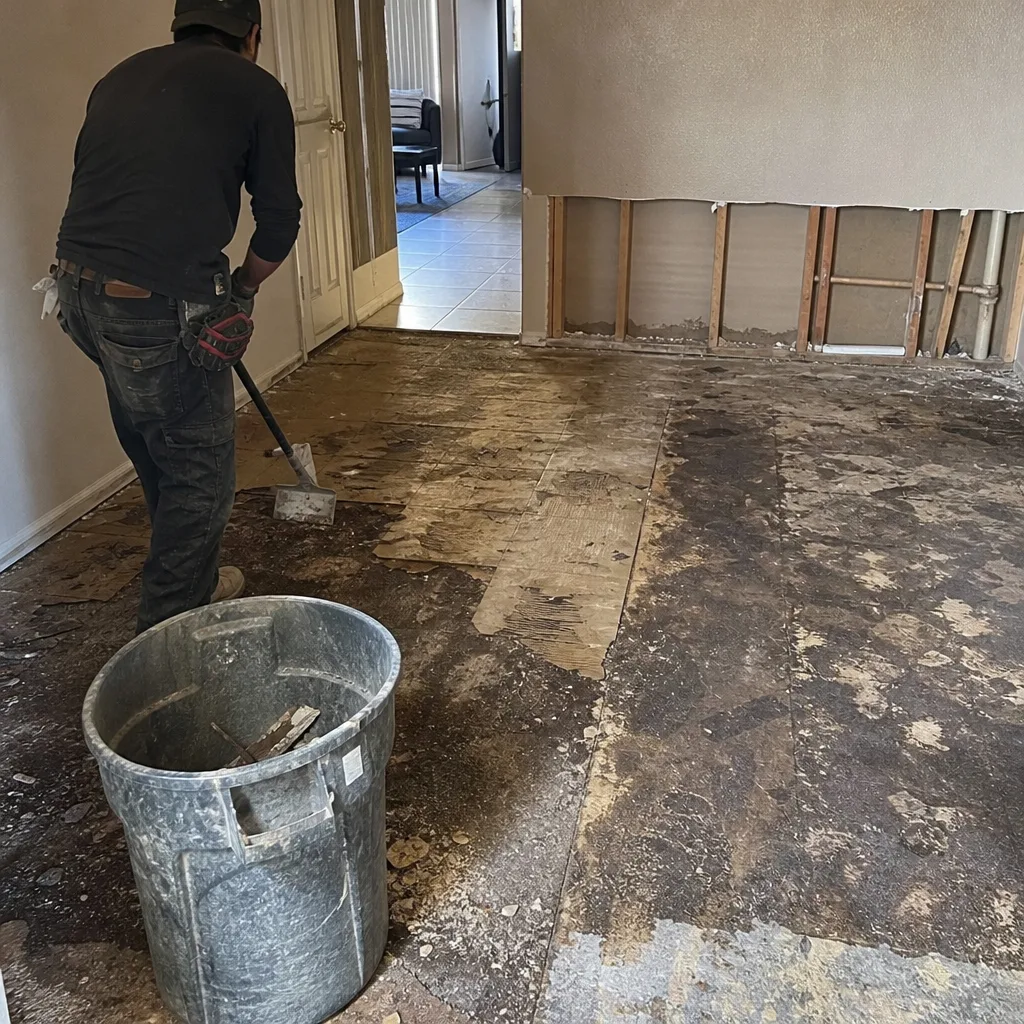 Before
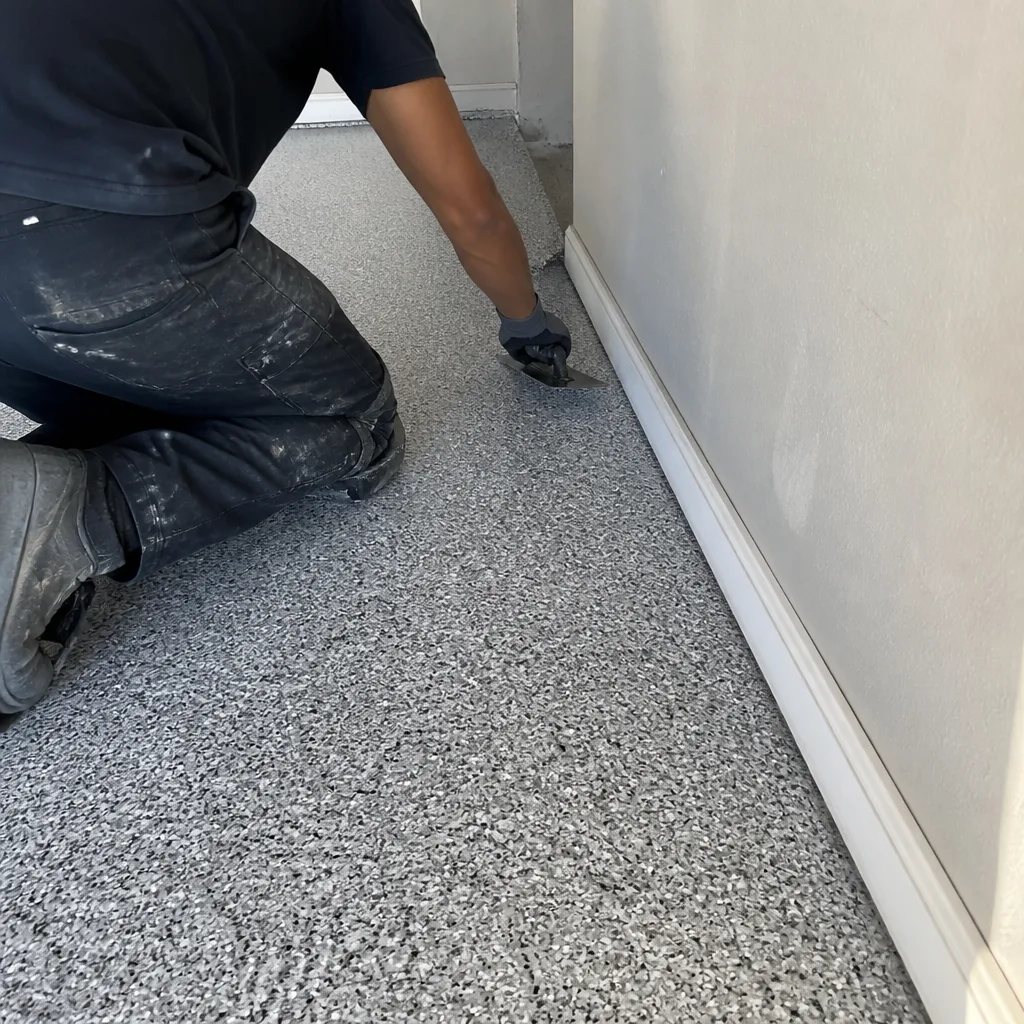 After
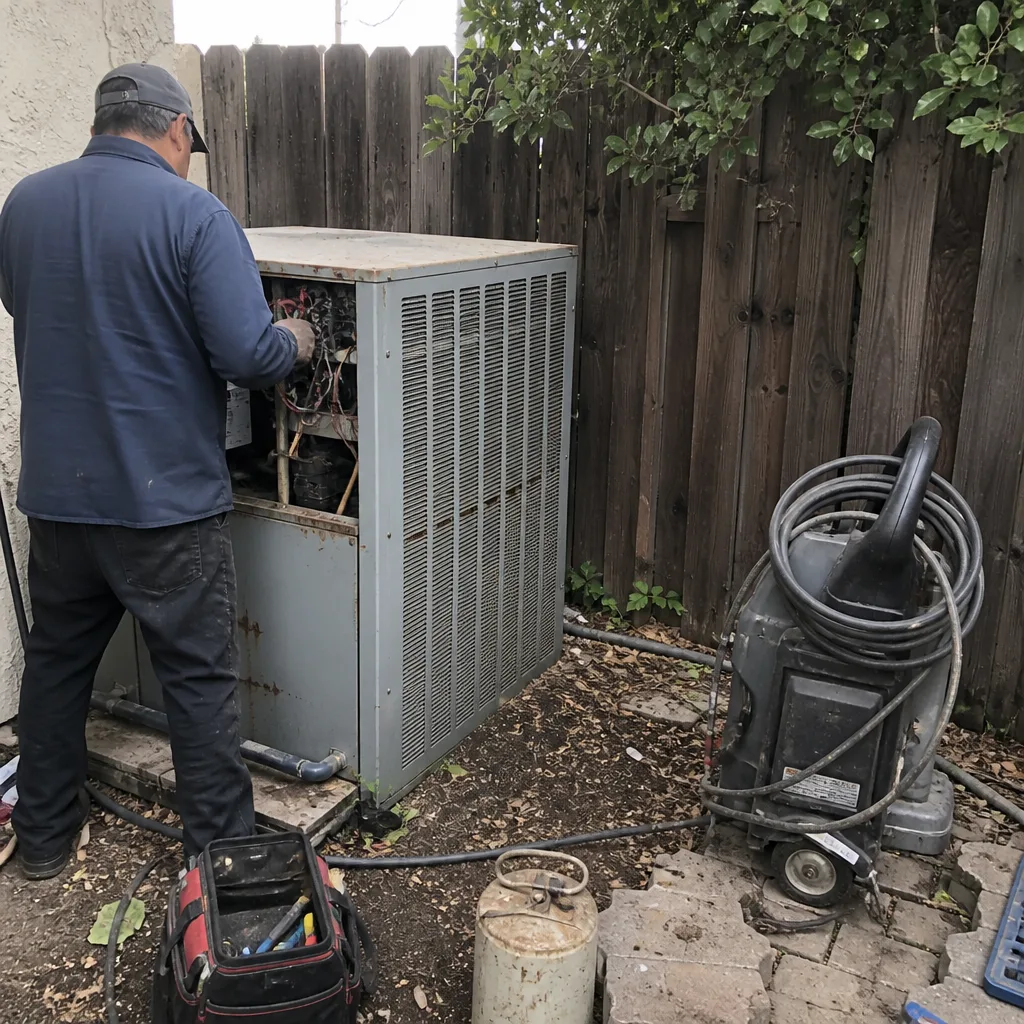 Before
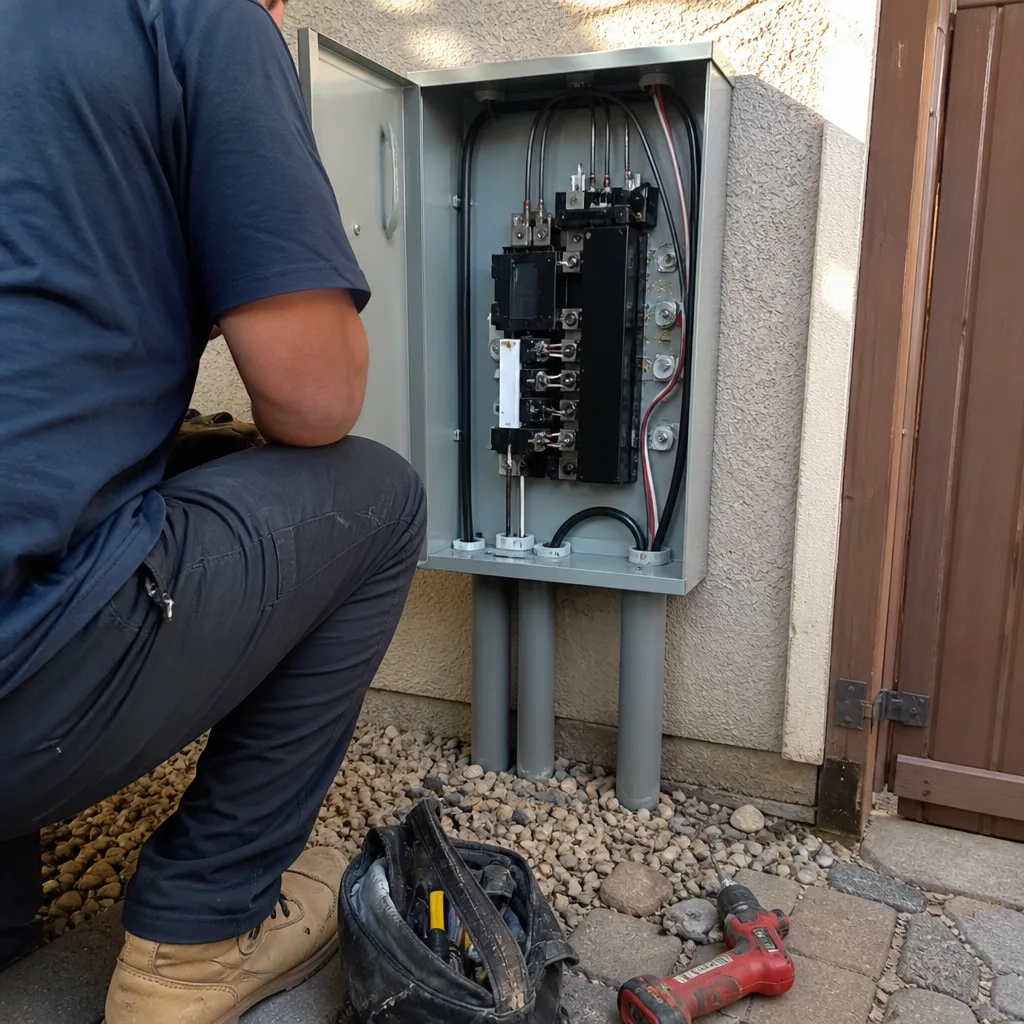 After
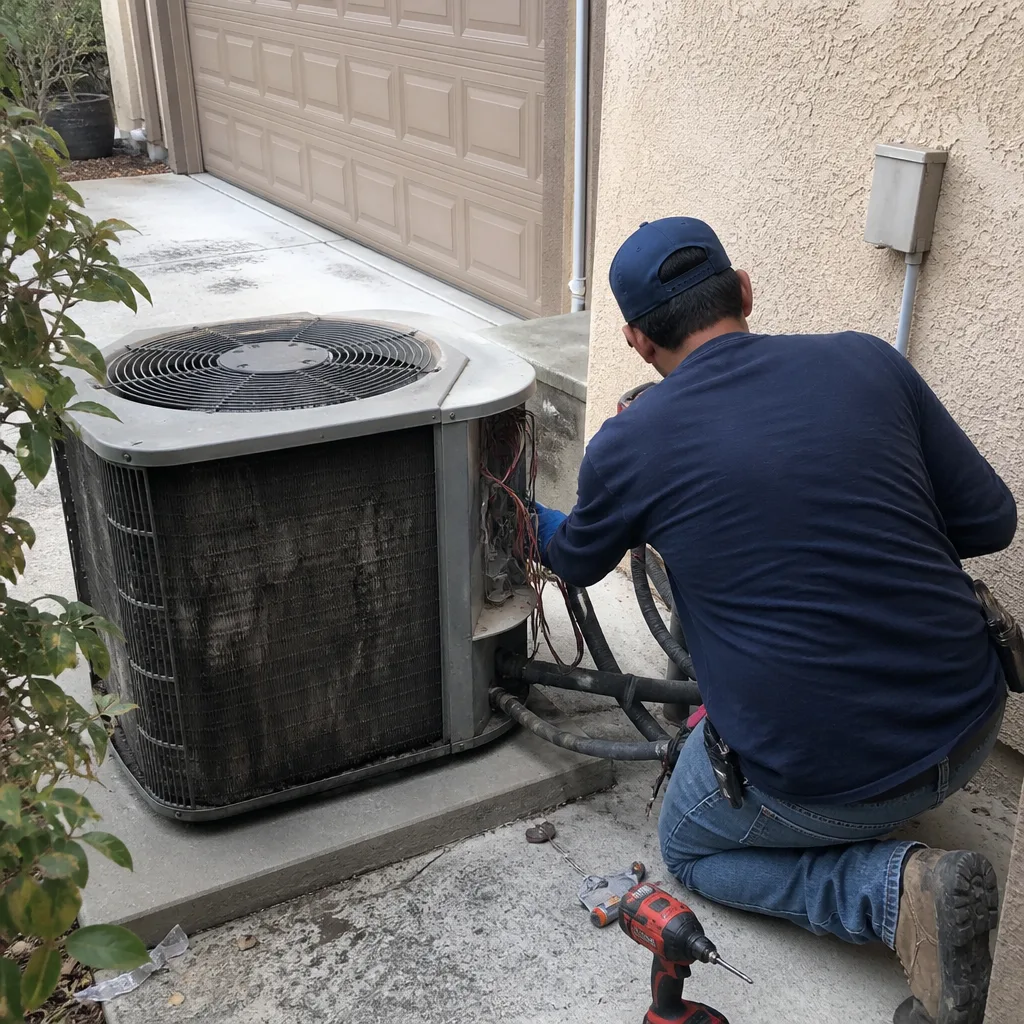 Before
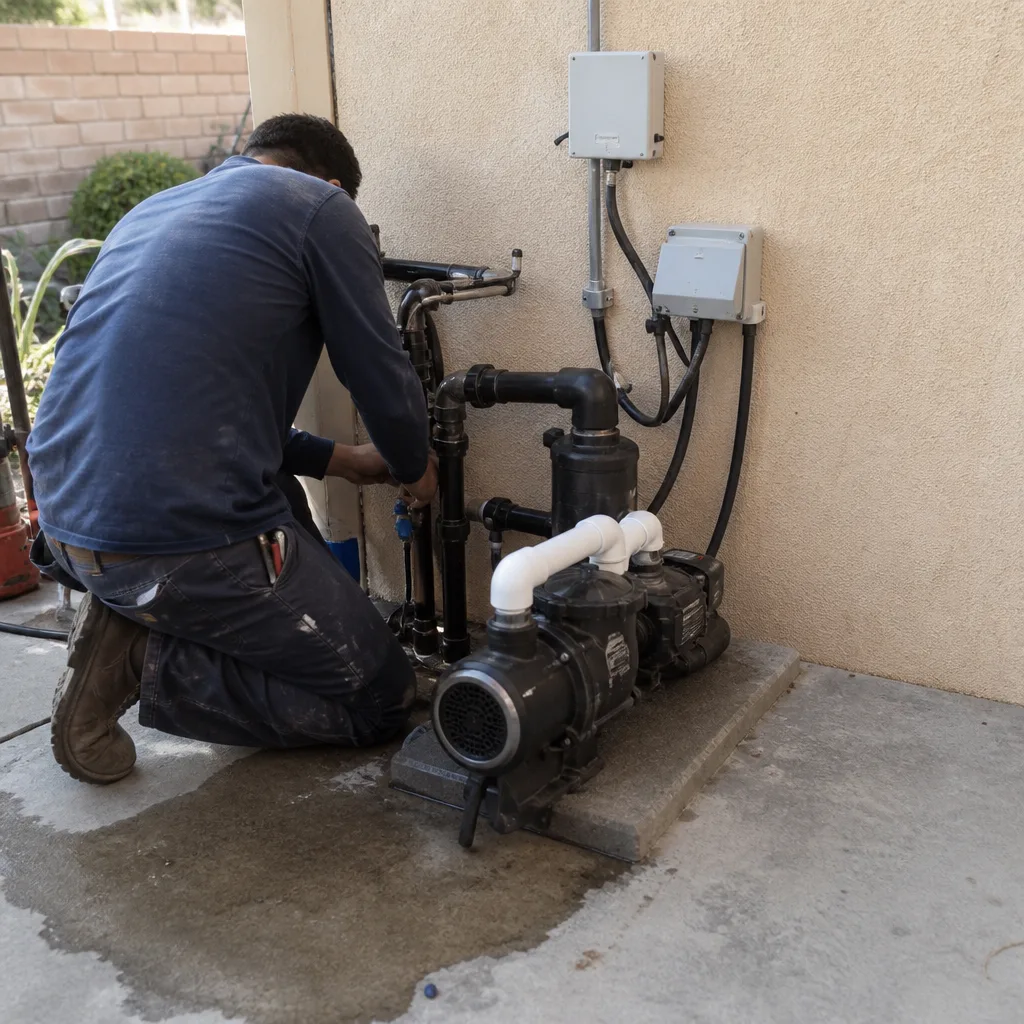 After