

Last updated October 31, 2026
 Kitchen remodeling
 Bathroom remodeling
 Home additions & ADU
 Roofing
 Windows & doors
 Driveway & pavers
 Fence
Free written scope consultation - allowances, timeline, and change-order rules on paper before a single trade is scheduled
General Contractor Troubleshooting: Common Problems and How to Fix Them
Here’s a statistic that surprises most homeowners: in our experience working across Corona and Southern California, roughly 70% of general contractor disputes are not caused by shoddy workmanship. They’re caused by coordination failures that were visible weeks before anyone raised a flag. A sub walking off a job is almost never the root problem. It’s a symptom of a scheduling conflict that was sitting in the project log fourteen days earlier, waiting for someone to own it. This guide walks you through the six most destructive mid-project failures, how to spot them early, and specifically what to put in writing when things go sideways. Whether you’re planning a kitchen remodel or a full ADU build, the diagnostic framework below will save you real money.
Quick Answer
Most general contractor problems trace back to six root causes: undefined change order processes, undocumented milestone slippage, unmanaged material lead times, incomplete lien waivers, failed inspections without a re-inspection plan, and payment schedules that don’t align with verified work. You fix them by creating a written change order log, insisting on written milestone communication, confirming material orders before demolition starts, collecting conditional lien releases from every sub before each draw, and knowing who pays for re-inspection fees. A licensed general contractor who owns the full scope, rather than brokering separate trades, eliminates most of these failure points before they start.
Styles & brands we work with
Table of Contents
- The Change Order Log: Your First Line of Defense
- When a Milestone Gets Missed: The Exact Language to Use
- Material Lead Times and the Scheduling Cascade
- Lien Waivers vs. Conditional Lien Releases: What to Collect and When
- Failed Rough-In Inspections: Who Pays and What Happens Next
- Payment Schedules and Draw Alignment: Stopping Overpayment
- Subcontractor Gaps: When Trades Don’t Talk to Each Other
- Common Mistakes to Avoid
The Change Order Log: Your First Line of Defense
Change orders are where budgets quietly die. The problem isn’t that changes happen. On any significant remodel in Corona, from a bathroom in South Corona to a full interior renovation in Eagle Glen, something will shift during construction. The problem is that most homeowners track changes informally: a conversation here, a text there, a verbal “yeah, let’s go ahead” that later becomes a $4,800 line item nobody remembers approving.
Every project needs a three-column change order log. Not a shoebox of receipts. Not a mental list. A simple document with exactly three columns: Scope, Cost, and Timeline Impact.
- Scope: Describe the change in one specific sentence. “Add dedicated 20-amp circuit for microwave drawer in island” beats “electrical updates.” Vague scope descriptions are how disputes start.
- Cost: Include labor, materials, markup, and any permit modification fees. If the change triggers a plan revision with the City of Corona Building Division, that cost goes here too.
- Timeline Impact: Does this change add two days because the electrician needs to come back? Does it push cabinet installation because the island layout shifted? Write it down. This third column is the one most contractors and homeowners skip, and it’s the one inspectors and future disputants care about most.
Here’s what we tell our clients at Gold Star Contractors home: if a change doesn’t fit in the log, it doesn’t get approved. No exceptions. You’d be surprised how many budget overruns evaporate when every change requires a written scope, a fixed cost, and a stated timeline impact before work proceeds. Before you sign with any general contractor, ask them one question: “How do you document change orders?” If the answer starts with “we just handle it,” keep looking. A contractor who can’t describe their change order process in thirty seconds is telling you how your project will actually run.
When a Milestone Gets Missed: The Exact Language to Use
So your general contractor said demolition would start April 10, and April 17 rolls around with a still-intact kitchen. What now? In California construction law, verbal agreements are legally meaningless when it comes to project timeline and performance. If you didn’t write it down, it didn’t happen. That’s not a philosophical stance; it’s how the Contractors State License Board and any court will view your dispute.
Here’s the specific language to put in writing when a milestone gets missed. Send it by email so there’s a timestamped record:
“On [date], we agreed that [specific milestone] would be completed by [date]. As of today, [date], that milestone has not been met. Please provide in writing: (1) the reason for the delay, (2) the new projected completion date for this milestone, and (3) any changes this delay causes to the overall project schedule.”
That’s it. Three asks: reason, new date, schedule impact. You’re not being difficult; you’re creating the paper trail that protects both parties. If the contractor doesn’t respond in writing, that’s itself a red flag. A professional GC will respond within 48 hours with a clear explanation and a revised schedule. In our experience managing full-scope renovations, the contractors who push back hardest on written milestone communication are the same ones who end up in disputes.
One more thing: California has specific notice and cure provisions for construction contracts. If delays continue past a reasonable point, you need to send a formal notice of failure to perform. But you can’t get there without the earlier written requests. Start the paper trail at the first missed milestone, not the fifth.
Material Lead Times and the Scheduling Cascade
This is the failure point that ruins more schedules in Corona than any other, and most homeowners never see it coming. Certain materials have lead times measured in months, not weeks. Custom cabinetry typically runs 6 to 12 weeks. Impact-rated windows from manufacturers like ES Windows or ECO Window Systems can take 10 to 14 weeks depending on the product line and glass package. HVAC units, particularly higher-efficiency systems, can run 4 to 8 weeks. If your GC is not placing material orders at contract signing or immediately after, your project has a scheduling bomb in it that hasn’t gone off yet.
Here’s how the cascade works. Your kitchen remodel requires custom cabinets. The cabinets get ordered in week two. While they’re being built, your GC schedules the countertop template for week ten, assuming cabinets arrive in week nine. But the cabinet manufacturer hits a production delay. Cabinets arrive week eleven. The countertop fabricator can’t template until cabinets are installed, so that gets pushed to week thirteen. The plumber was scheduled to reconnect the sink in week fourteen, but now the countertop install is week fifteen, so the plumber reschedules for week eighteen. One six-week material delay becomes a nine-week project delay because every subsequent trade got bumped.
A competent GC buffers this with what we call lead time buffers: ordering materials earlier than the schedule strictly requires, confirming order status with manufacturers every two weeks, and never scheduling dependent trades until the prior trade has actually completed, not just been scheduled. That last part sounds obvious, but it’s where many contractors fail. They schedule optimistically, and the whole schedule becomes fiction.
At Home Remodeling in Anaheim and in our Corona work, we see the same pattern: projects coordinated as a single timeline, with one team owning every dependency, stay on schedule far more reliably than projects where the homeowner is relaying messages between three separate vendors. One contractor. Every system. No handoff gaps. That’s not a slogan; it’s a project schedule that doesn’t collapse.
Lien Waivers vs. Conditional Lien Releases: What to Collect and When
Here’s a scenario that happens more than anyone wants to admit. You pay your general contractor. The GC pays some of the subs. One sub never gets paid. That sub files a mechanics lien against your property. Now you owe the sub even though you already paid the GC for that work. This is the single most preventable problem in residential construction, and the solution is paperwork: lien waivers.
Let’s get the terminology straight, because it matters. In California, there are two documents you need to understand:
- Conditional Lien Release: This is the document you collect before you release payment. It says the sub or supplier will waive their lien rights once the payment actually clears. This protects you while payment is in process.
- Unconditional Lien Waiver: This is what you collect after payment has cleared. It says the sub or supplier has been paid in full and waives all lien rights for that work, period.
Here’s the rule: never release a draw payment without collecting a conditional lien release from every sub and material supplier who has worked on or delivered to the project up to that point. Every one. Not just the ones your GC mentions. Ask for the full list of subs and suppliers on the job, and match the lien releases to that list.
In full-scope general contracting, this is a core discipline, not an afterthought. Whether we’re managing a kitchen renovation or a complete Home Renovation in Anaheim, the process doesn’t change: conditional release in hand, payment released, unconditional waiver collected after clearing. If your contractor can’t or won’t produce lien releases from subs before asking for payment, that’s a structural problem, not a minor paperwork hiccup.
Failed Rough-In Inspections: Who Pays and What Happens Next
Nothing deflates a project faster than a failed city inspection. The rough-in inspection, when the walls are open and the electrical, plumbing, and framing are visible, is the most consequential inspection on any Corona remodel or addition. The City of Corona Building Division inspector checks that everything meets current California Building Code before you’re allowed to seal the walls. When it fails, the question everyone asks is: who pays for the fix and the re-inspection?
The answer depends on why it failed. If the failure is due to substandard work or a code violation by the contractor or a sub, the contractor eats the cost of the fix and the re-inspection fee. That’s non-negotiable in any well-written construction contract. If the failure is due to a change the homeowner requested that turned out to violate code, the homeowner typically pays. This is why your change order log matters: it establishes who requested what, in writing.
Re-inspection timelines in Corona generally run three to seven business days after the correction is submitted and the fee is paid. Your GC should be able to tell you exactly when the re-inspection is scheduled, not a vague “sometime next week.” Here’s what to document when a rough-in fails:
- The specific code section cited by the inspector. Ask for it. “The outlet spacing is wrong” is not the same as “CEC 210.52 requires receptacles within 6 feet of any point along wall space.”
- The written correction plan. Who is fixing what, and by when.
- The re-inspection date and confirmation number. In writing.
- Who is paying the re-inspection fee. Confirmed before the check is cut.
A professional GC handles failed inspections without drama because they’ve seen them before. What separates the pros is accountability: they acknowledge the failure, fix it, and schedule the re-inspection without you having to chase them. If you’re the one calling the Building Division to schedule corrections, your contractor has already failed the accountability test.
Payment Schedules and Draw Alignment: Stopping Overpayment
The most dangerous financial position in a remodel is being ahead of the work. If you’ve paid 60% and only 40% of the work is done, you’ve lost your leverage. A contractor who has your money and hasn’t done the work has less incentive to show up. This is why draw schedules need to align with verified, completed work, not with optimistic projections.
Here’s a payment structure that protects homeowners. It won’t win you popularity contests with every contractor, but a good one will agree to it:
- Initial deposit: 10% to 15% at contract signing, never more than $1,000 or 10% of the total for most residential projects per California law. This covers mobilization and initial material orders.
- Progress draws: Tied to completed, inspected milestones. Rough framing done and passed: release draw number one. Rough electrical and plumbing passed: release draw number two. Never release a draw for “starting” a phase.
- Final draw: 10% to 15% held back until final inspection passes, punch list is complete, and you have unconditional lien waivers from every sub and supplier.
Each draw payment should require: a written description of completed work, photos if you can’t visit the site, the inspector’s sign-off where applicable, and conditional lien releases from all subs and suppliers covered by that draw. If a GC asks for a large upfront payment without a clear draw schedule, walk away. If a GC resists providing lien releases, walk away faster.
Subcontractor Gaps: When Trades Don’t Talk to Each Other
We’ve touched on this throughout, but it deserves its own section because it’s the thread that connects every other problem. Most residential general contractors are really just project brokers: they hire an electrician, a plumber, a cabinet installer, a drywall crew, and hope the schedule holds. When trades don’t communicate, you get three-inch gaps between the cabinet rough-in and the actual cabinet, or an electrical box buried behind a tile backsplash because nobody told the tiler where the outlet was going.
You can spot a coordination-first contractor by asking three questions before you sign:
- “Who owns the master schedule, and how do trades get updated?” One person should own it. If the answer is “everyone works it out on site,” your project will have gaps.
- “How do you handle scope changes that affect other trades?” A good answer includes updating the schedule and notifying affected trades in writing. A bad answer is “we’ll figure it out.”
- “What brands do you specify for [the relevant system]?” This tells you whether the GC has the technical depth to manage the trade, not just hire it. A contractor who specifies Therma-Tru entry doors and can explain why their frame system reduces door sag is a contractor who knows that system, not just one who installs it.
This is where the single-source model earns its keep. As a General Contractor in Anaheim and Corona, we manage interior and exterior trades through one project team, which means the electrician knows where the cabinet installer is putting the island because the schedule and the plans come from the same source. The alternative is a homeowner playing air-traffic controller between four vendors who have never met each other.
Common Mistakes to Avoid
- Approving changes verbally. If it’s not in the change order log with a cost and timeline impact, it didn’t happen. Verbal approvals are how $3,000 mistakes become $30,000 disputes.
- Releasing payment without lien waivers. Paying the GC and hoping the subs get paid is not a strategy. Collect conditional lien releases from every sub and supplier before every draw.
- Ignoring material lead times. If your GC hasn’t ordered your cabinets, windows, or HVAC units within the first two weeks, ask why. Corona’s construction market is busy, and manufacturers don’t rush for anyone.
- Not documenting missed milestones. The first missed date should trigger an email. The fifth missed date without documentation is a legal problem you can’t easily prove.
- Hiring separate vendors for different trades to save money. You save on markup and spend double on coordination failures. This is the most expensive money you’ll ever save.
- Accepting vague inspection failure explanations. Ask for the specific code section cited. If your contractor can’t produce it, they don’t understand the failure well enough to fix it correctly.
- Paying ahead of the work. Never let the payment schedule get ahead of verified, completed, inspected work. Your leverage is your unpaid balance.
See the difference
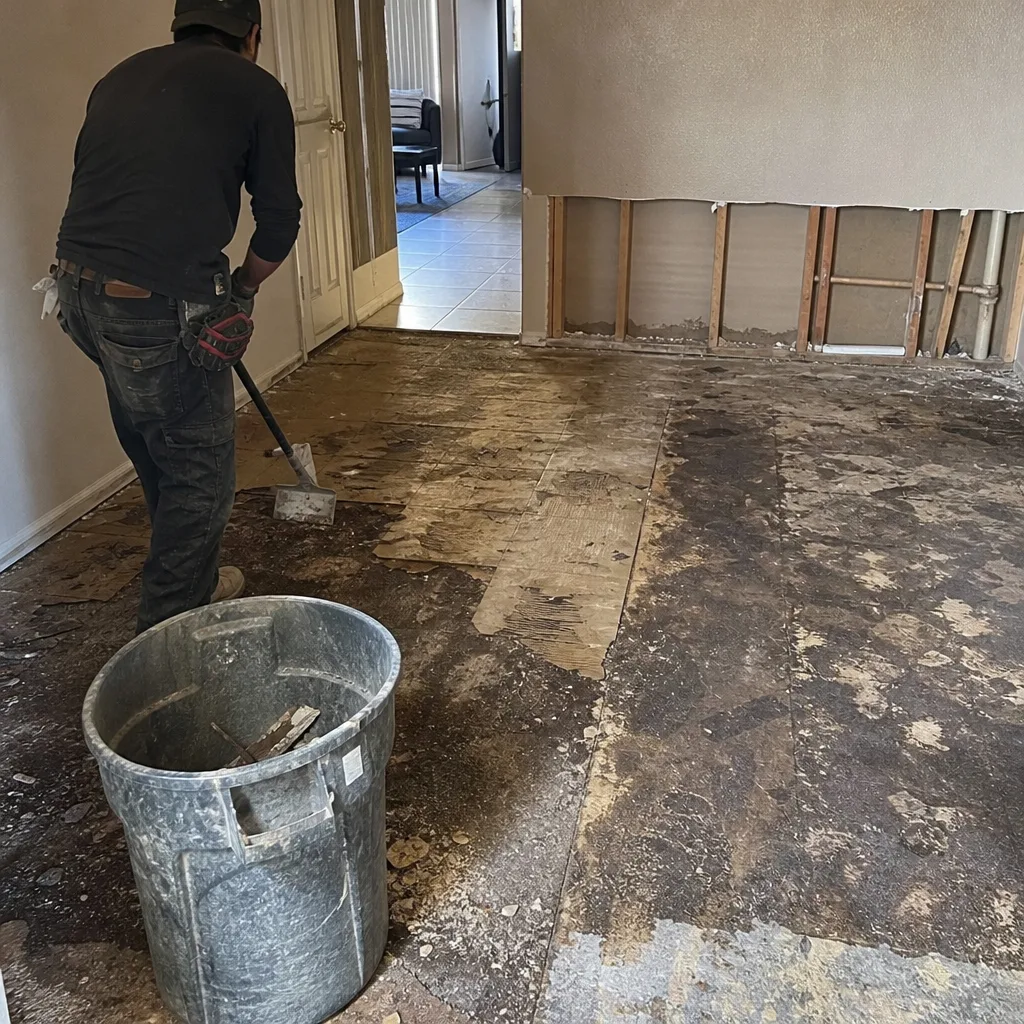 Before
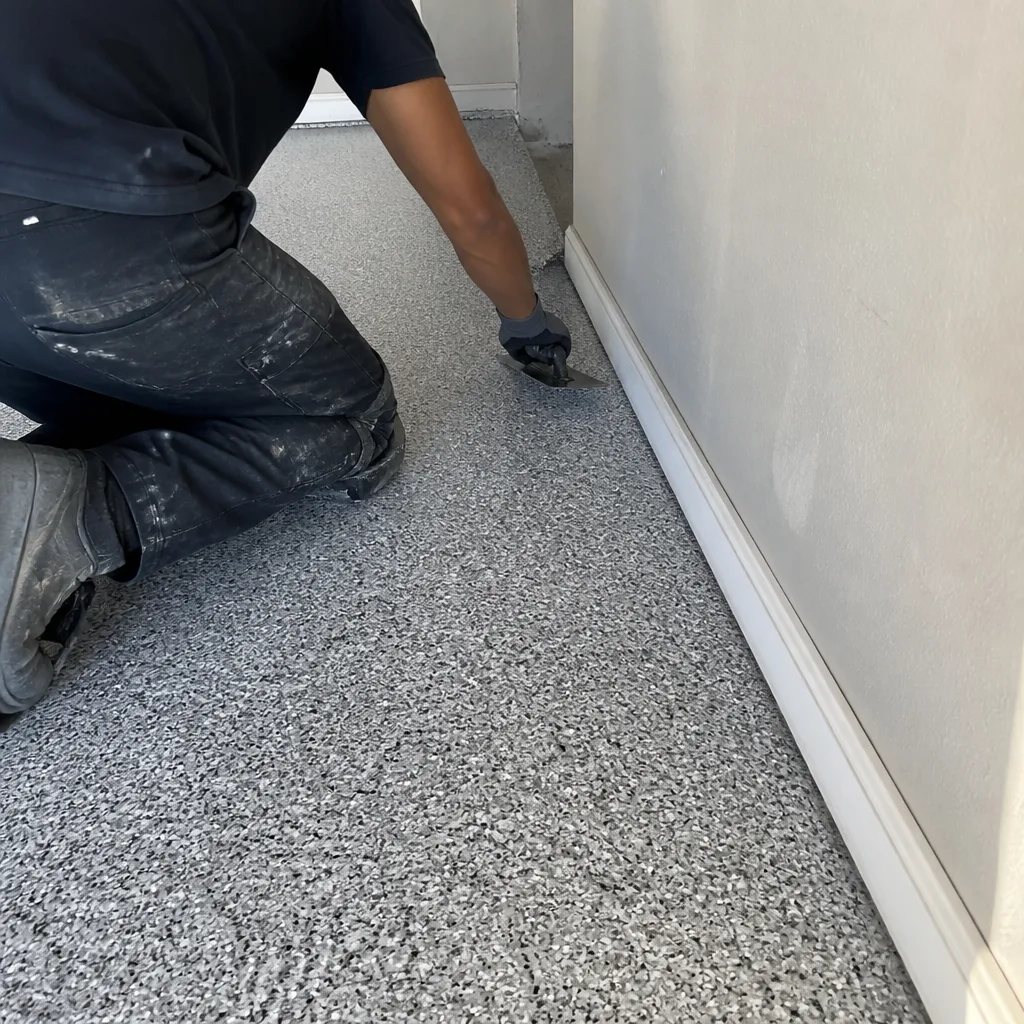 After
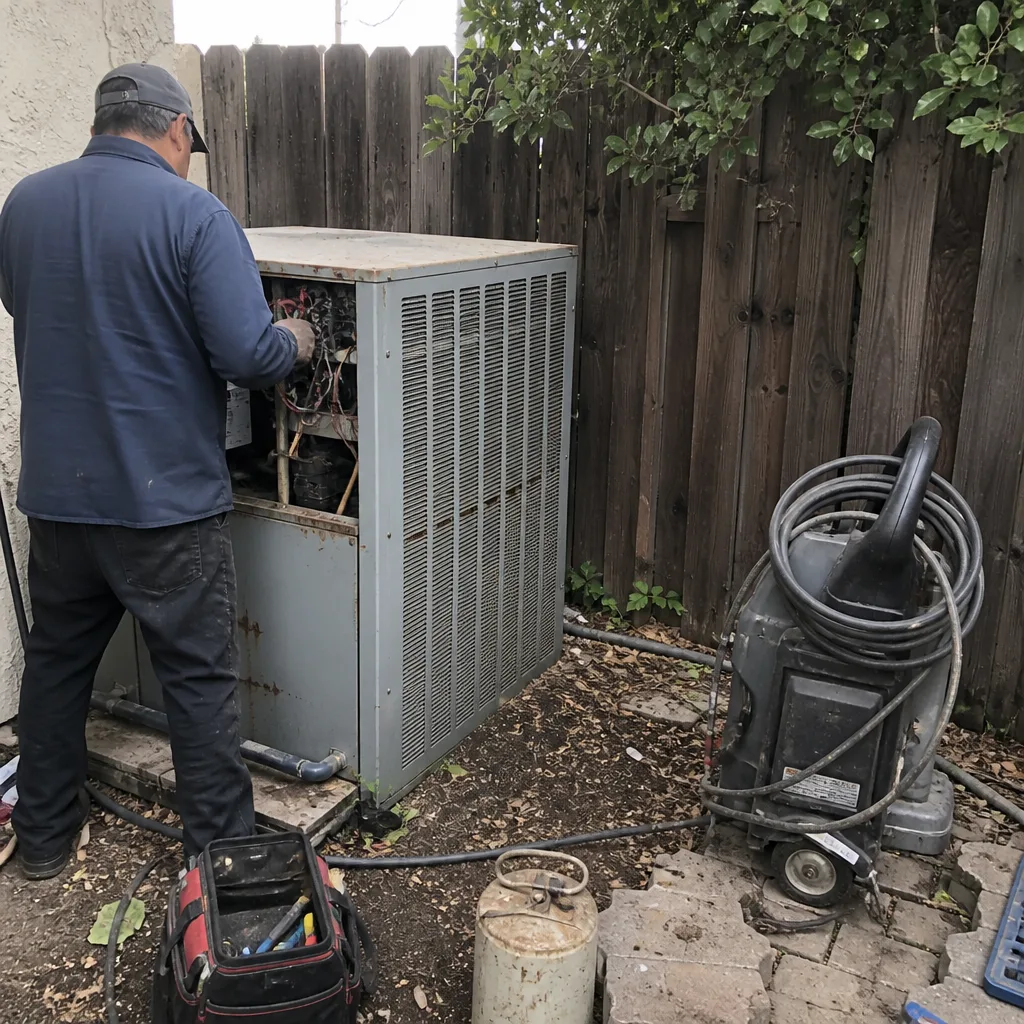 Before
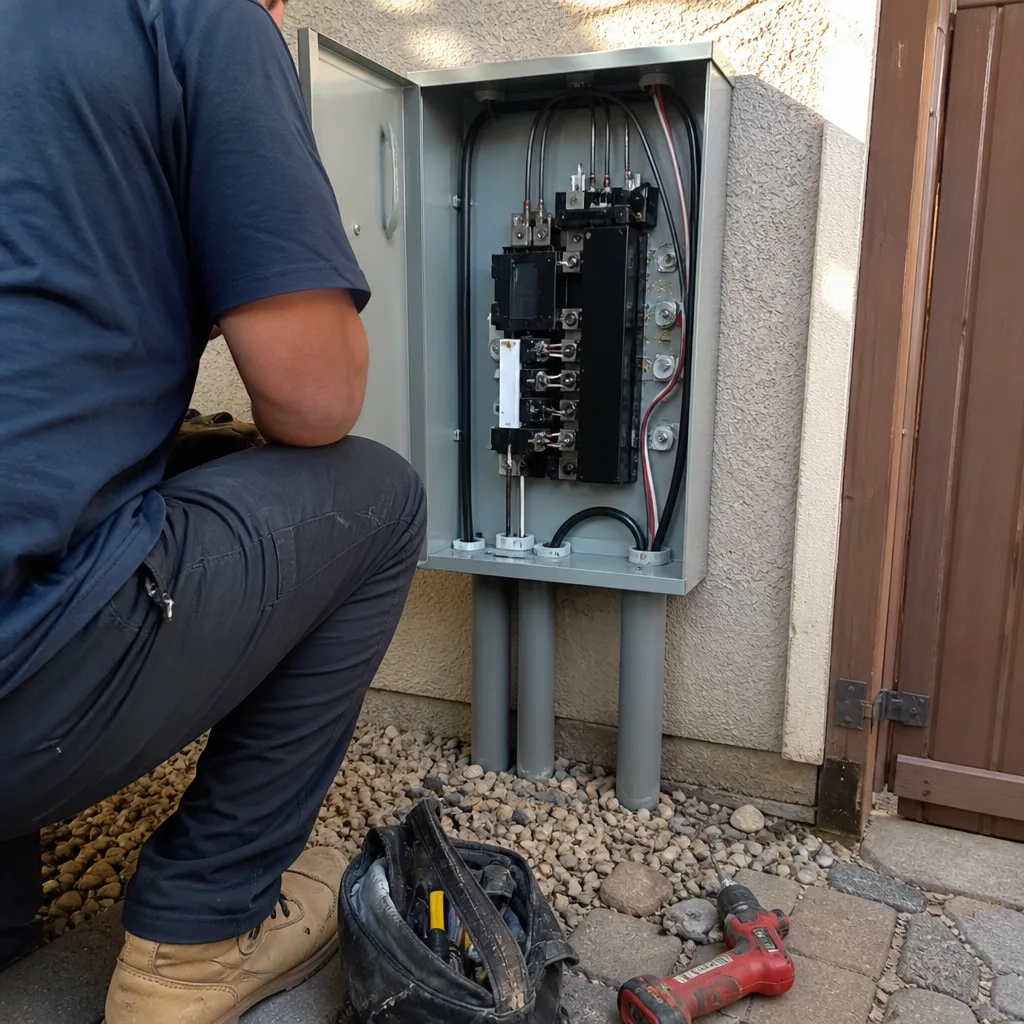 After
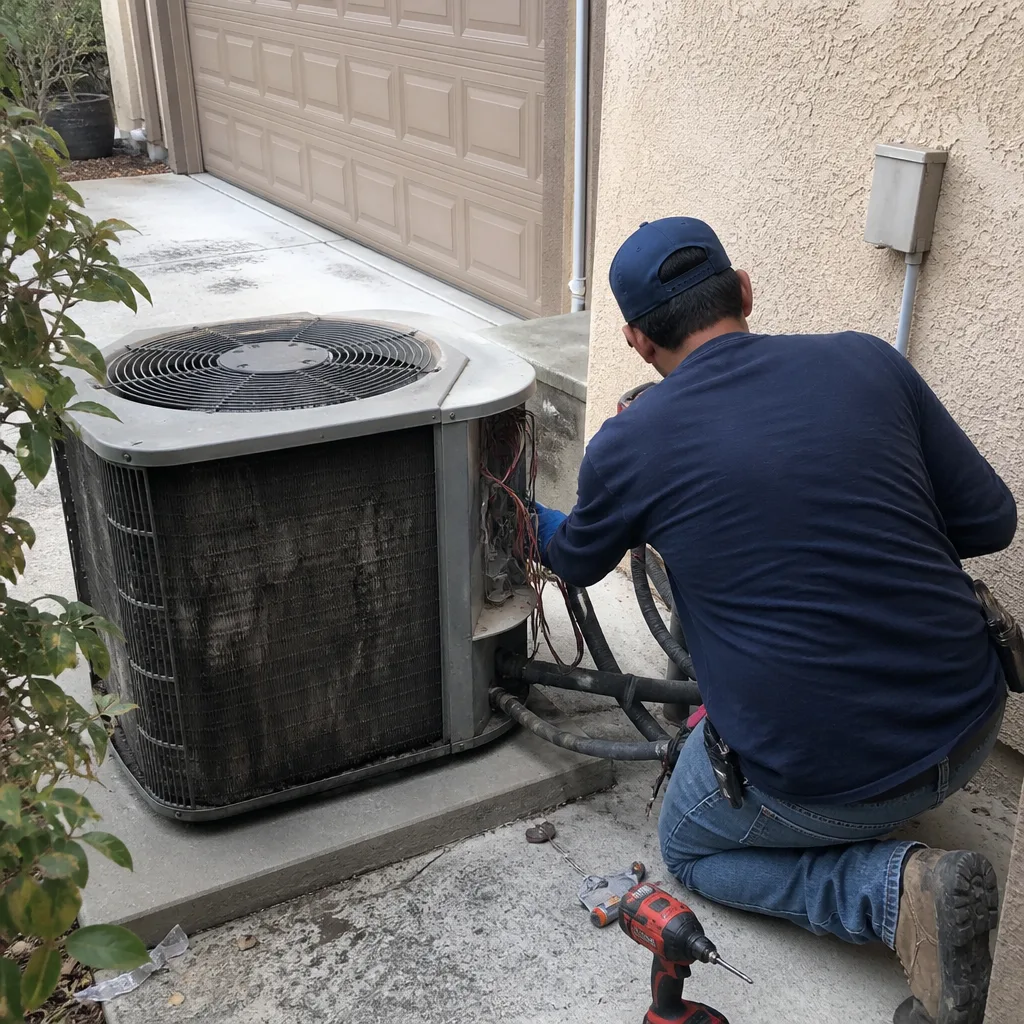 Before
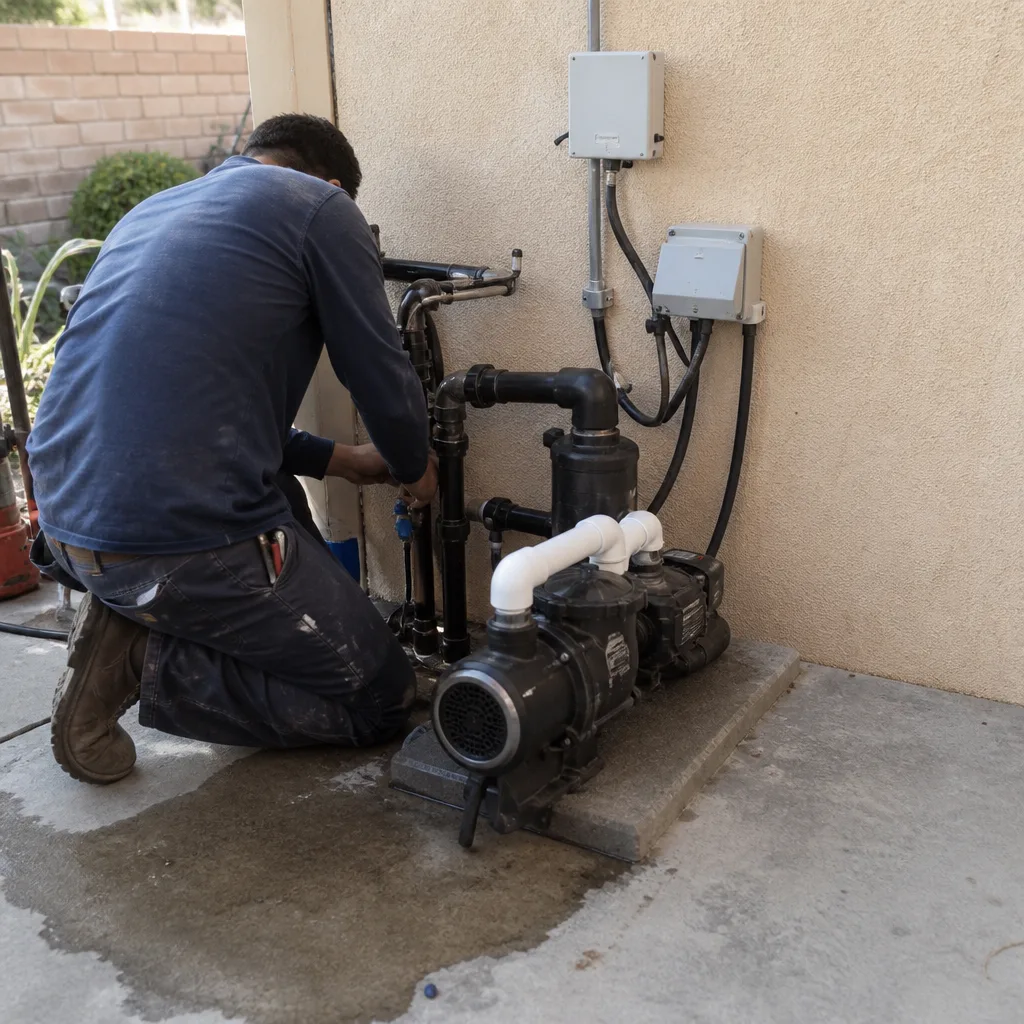 After
When to Call a Professional
Some project problems are fixable with a stern email and a better change order log. Others require hiring a professional to take over a project that’s gone sideways. Call a licensed general contractor if you’ve had a sub walk off and can’t get a clear answer on why, if you’ve discovered unpermitted work after the fact, if a failed inspection has stalled your project for more than two weeks without resolution, or if you’ve lost confidence in the current contractor’s ability to finish the work to code. For help selecting the right professional, see our guide on How to Hire a Construction Contractor in Corona: A Step-by-Step Guide. Taking over a mid-project remodel is harder than starting fresh, and it requires a contractor who owns the full scope from day one of the recovery. Gold Star Contractors offers free estimates in Corona. Call (833) 382-8544 to discuss your project.
Frequently Asked Questions
It depends entirely on the mistake, but a good rule of thumb is that corrections cost two to four times what the original work should have cost, because you’re paying to undo, redo, and often repair collateral damage. A failed rough-in electrical fix might run $800 to $2,500. Moving a misplaced wall could run $4,000 to $10,000. The most expensive mistakes are the ones discovered after walls are closed and finishes are installed. Call (833) 382-8544 for a free assessment if you’re facing a correction from a current or prior contractor.
Yes, but you need to understand your contract’s termination clause before you do. California law allows homeowners to terminate a contractor for cause if the contractor has materially breached the contract, failed to perform, or abandoned the project. Document the failures in writing first, because you’ll need that paper trail if the dispute goes to the Contractors State License Board or to court. Before you fire anyone, have a replacement contractor lined up and a clear scope of what’s left to finish. A project left half-done for months creates new problems: weather exposure, liens, and expired permits.
First, determine whether you actually owe the sub money. If you paid the general contractor for that work and the GC failed to pay the sub, your issue is with the GC, not the sub. Contact the GC in writing immediately and demand proof of payment or payment to the sub within 10 days. If that doesn’t resolve it, contact a construction attorney. In California, you may have remedies against the GC for failure to pay subs, but timing matters. The longer a lien sits unresolved, the more it clouds your property title.
A standard kitchen remodel with semi-custom cabinets, new countertops, and minor layout changes typically takes 8 to 12 weeks from demolition to final inspection in the Corona area. Full custom work with major structural changes, new windows, and high-end finishes can run 14 to 20 weeks. The biggest variable is material lead time, particularly cabinetry and any custom window or door systems. A contractor who orders materials at contract signing will hit the shorter end of those ranges. One who waits for demo to start before ordering will hit the longer end or blow past it.
It’s common, but it’s not something to accept passively. Change orders on a typical remodel run 10% to 20% of the original contract, with the higher end usually driven by homeowner-requested upgrades rather than contractor overruns. The key is knowing the difference. Document every change with scope, cost, and timeline impact in writing before the work starts. If change orders are appearing because the contractor missed something in the original scope, that’s a different conversation, and one where you have more leverage to negotiate.
Yes, if the work involves any plumbing, electrical, or structural changes. The City of Corona requires permits for remodel work that goes beyond cosmetic updates like paint and flooring. A licensed general contractor handles the permit application, pays the fees, and manages the inspection schedule. If a contractor suggests skipping permits to save time or money, treat that as a warning sign. Unpermitted work becomes your problem when you sell the property, and it can trigger forced corrections at your expense.
The Bottom Line
The problems that derail general contractor projects in Corona are rarely mysterious. They’re coordination failures, documentation failures, and payment failures that anyone can spot early with the right framework. Keep a three-column change order log. Put every missed milestone in writing. Confirm material orders before demolition starts. Collect conditional lien releases before every draw. Understand who pays for failed inspection corrections. And never let your payment schedule get ahead of the work. A full-scope general contractor who owns the schedule, the trades, and the paper trail eliminates most of these failure points before they appear. That’s the difference between a project you manage and a project that manages you.
Written by the team at Gold Star Contractors, serving Corona since 2012. Looking for more guides & resources?