

Last updated October 31, 2026
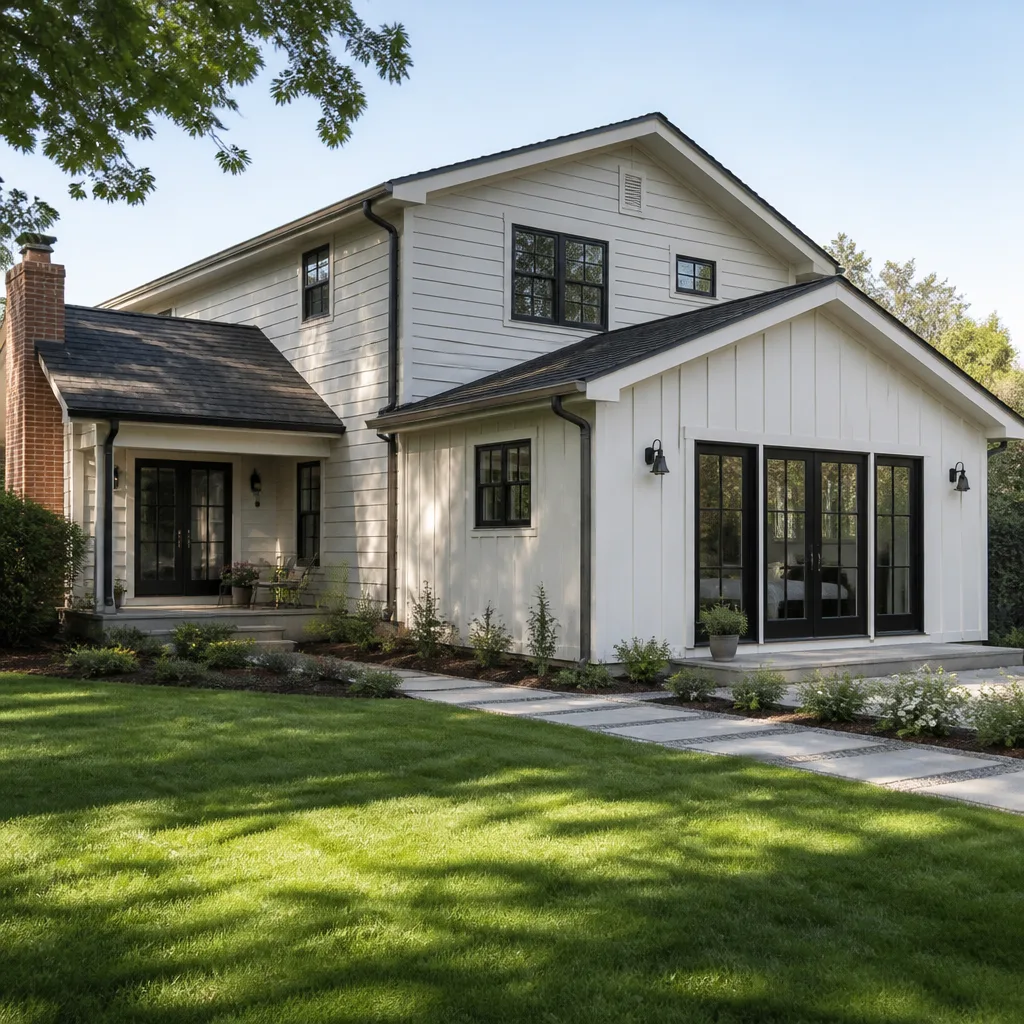 Home additions & ADU
 Kitchen remodeling
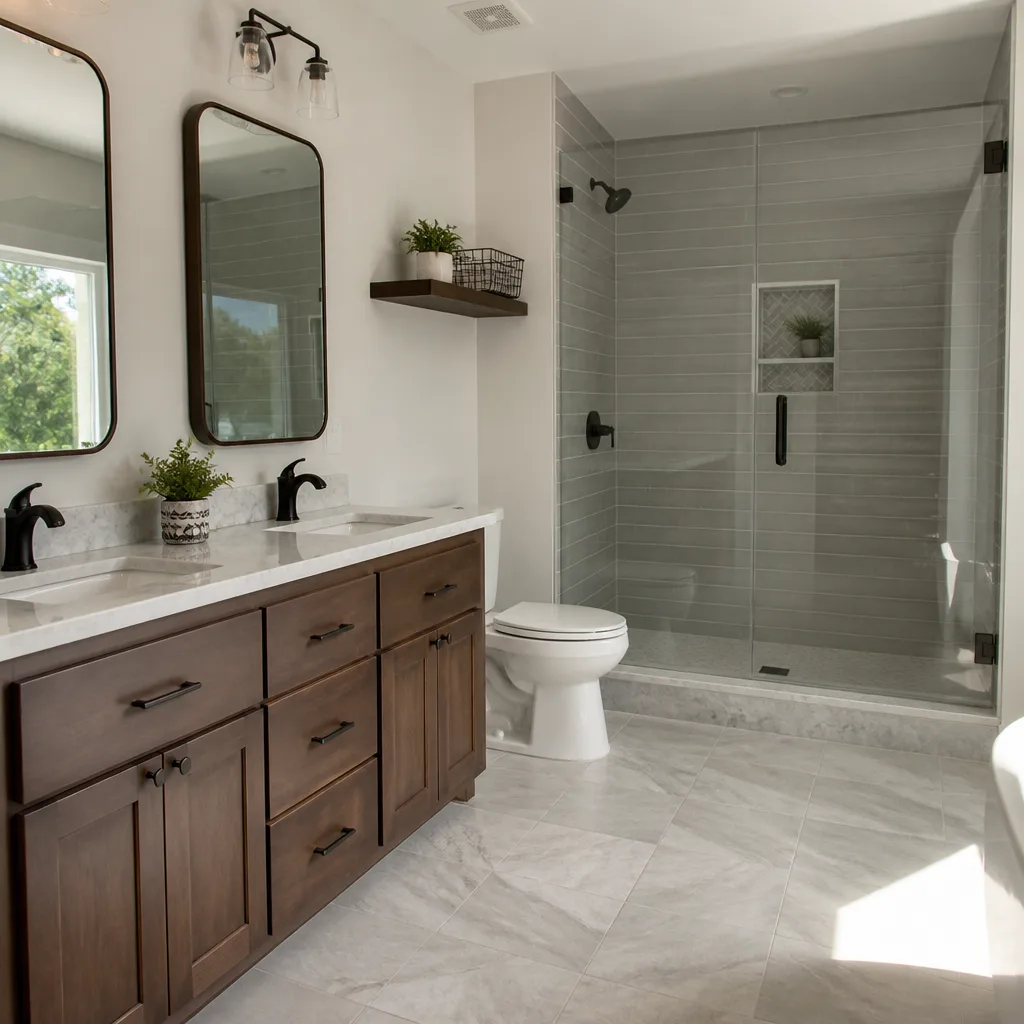 Bathroom remodeling
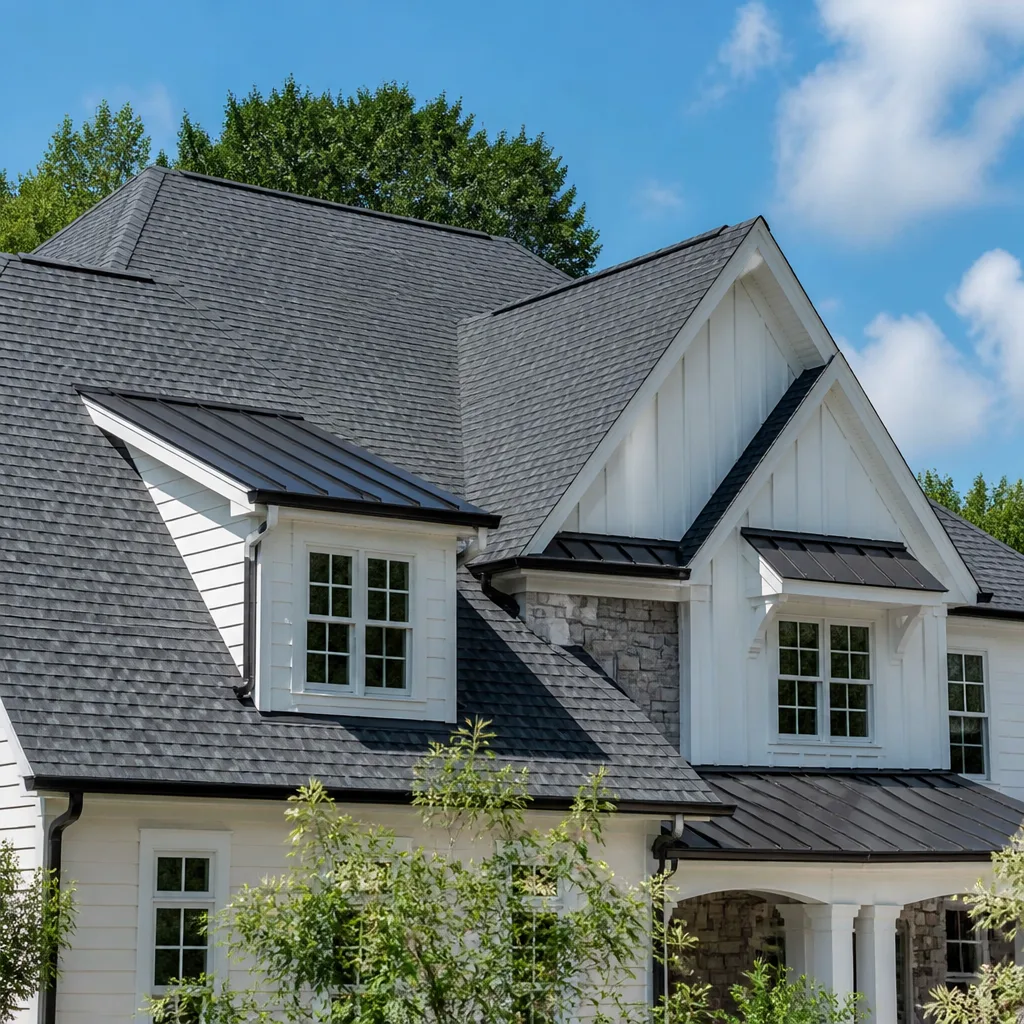 Roofing
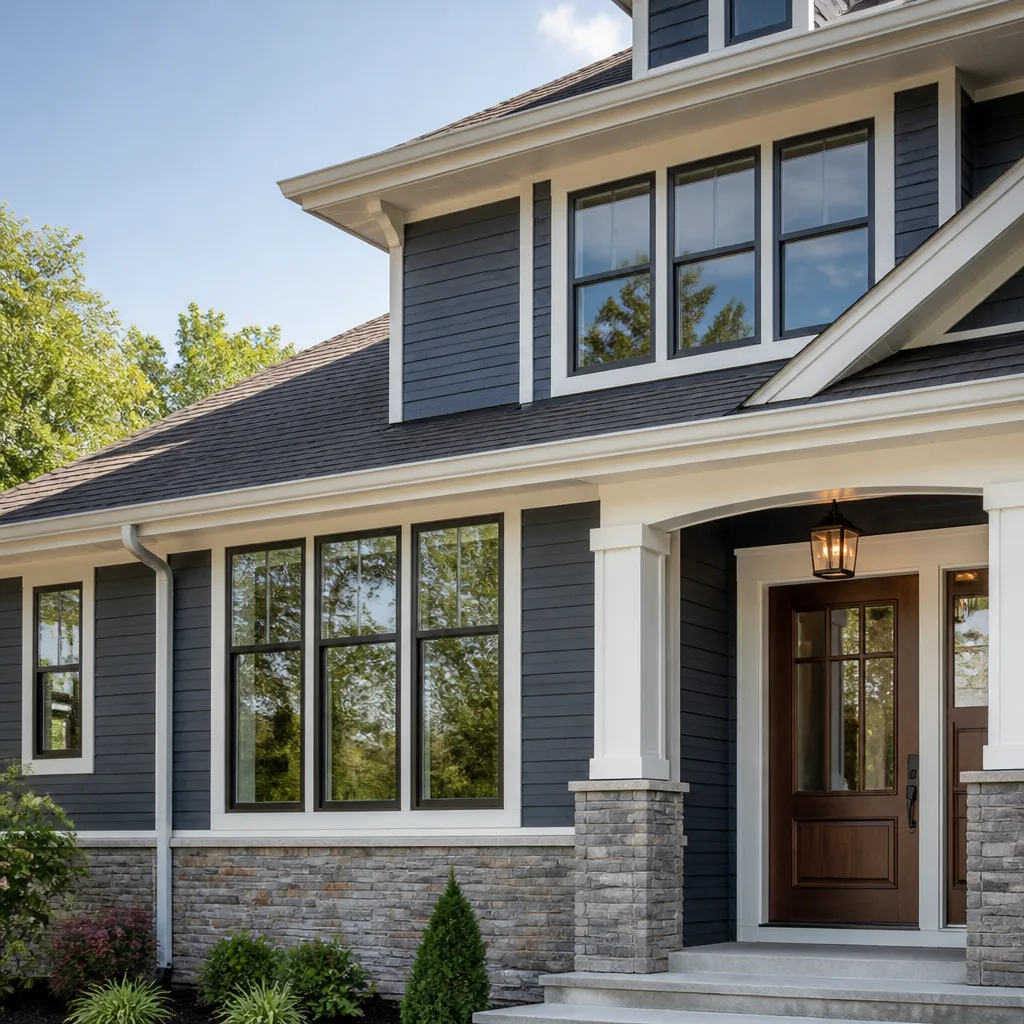 Windows & doors
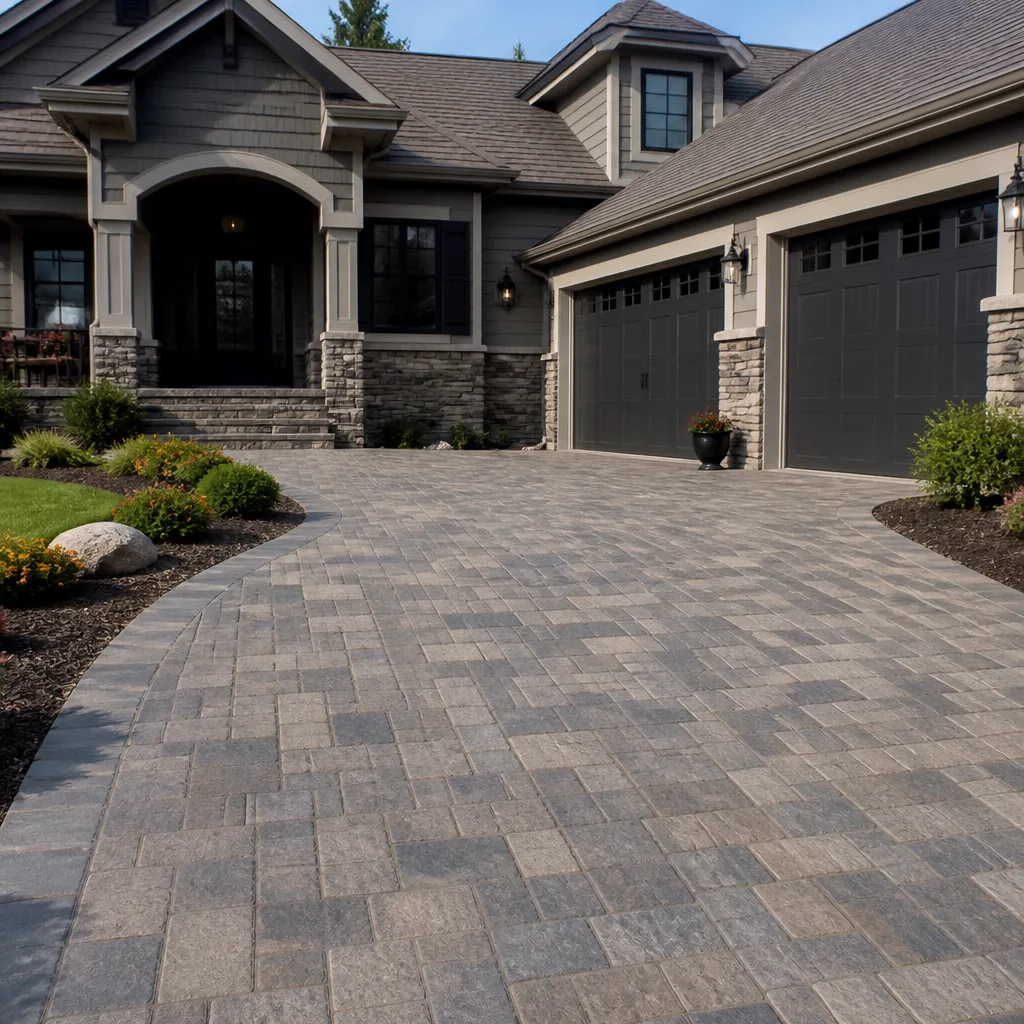 Driveway & pavers
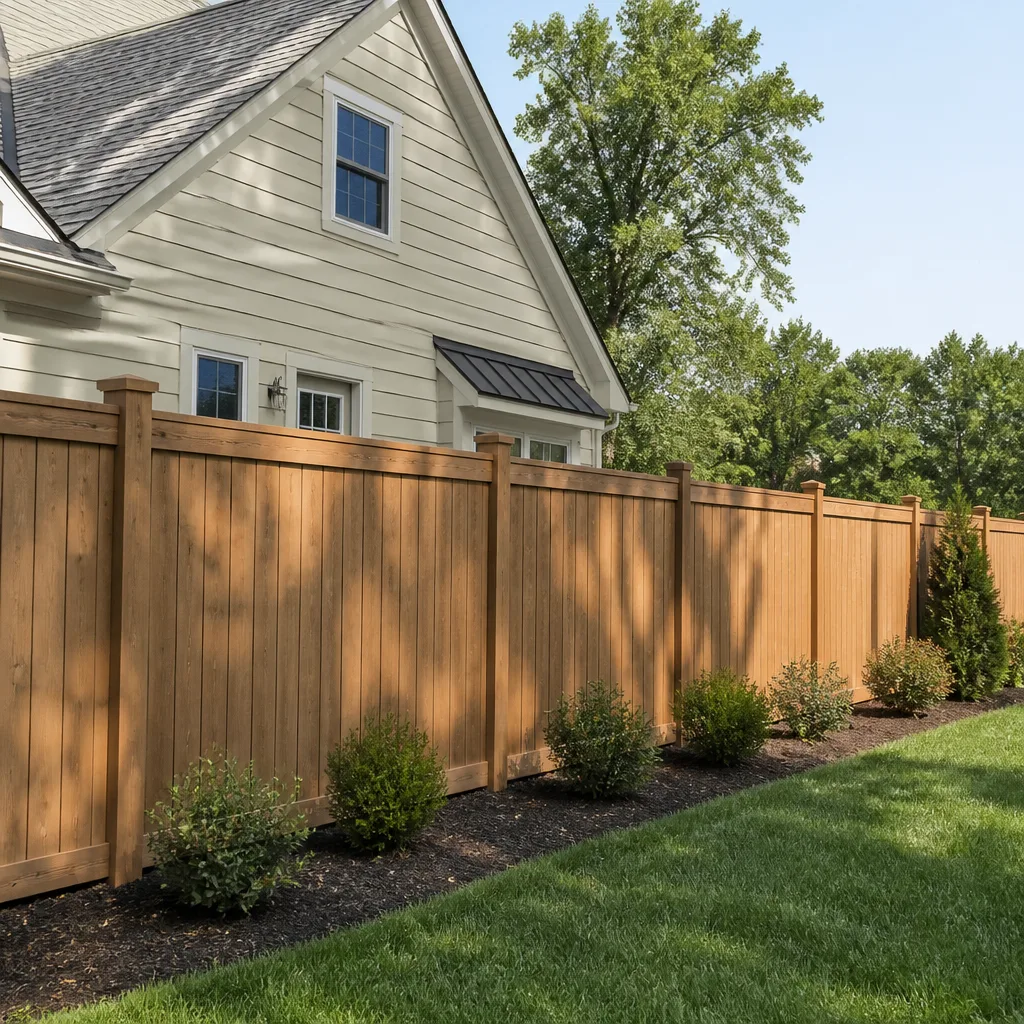 Fence
Free written scope consultation - allowances, timeline, and change-order rules on paper before a single trade is scheduled
Seasonal Construction Care for Corona: Year-Round Homeowner’s Guide
Corona averages over 280 sunny days a year, which homeowners celebrate, but UV degradation on roofing, exterior paint, and caulk systems in the Inland Empire runs roughly 30% faster than coastal California. That accelerated wear compresses the window between “minor wear” and “structural repair” into months, not years. This guide lays out a seasonal maintenance rhythm built around Corona’s two dominant stress cycles: heat and wind. For a deeper look at local building considerations, see our The Complete Guide to Construction in Corona. You’ll learn which systems demand attention in each window, what inspections actually catch problems early, and how sequencing your care saves real money over a ten-year horizon.
Styles & brands we work with
Quick Answer
Seasonal construction care in Corona means aligning exterior inspections and maintenance to two brief windows: spring (March – May) before the heat season, and fall (October – November) before Santa Ana winds and winter rain. Homeowners who inspect roofing, caulk, stucco, and drainage during those windows typically spend 30 – 50% less on reactive repairs over ten years than those who wait for visible failure.
Table of Contents
- The Spring Window: March Through May in Corona
- Summer Heat Load: Protecting Your Roof Deck and Building Envelope
- Santa Ana Wind Preparation: What Fails First in Corona
- Winter Moisture Window: Stucco, Drainage, and Flat Roofs
- Why Cross-System Inspections Catch What Single-Trade Walkthroughs Miss
- Material Selection for Corona’s Climate: What Lasts and What Doesn’t
- Building a Ten-Year Maintenance Calendar
- Common Mistakes to Avoid
- When to Call a Professional
- Frequently Asked Questions
- The Bottom Line
The Spring Window: March Through May in Corona
Spring in Corona is short. By late May, daytime highs routinely push past 90°F, and by June the sustained heat begins. That gives homeowners roughly eight to ten weeks to identify and correct any exterior degradation before UV radiation and thermal expansion accelerate it. We’ve walked hundreds of Corona properties during this window, and the pattern is consistent: small caulk failures, hairline stucco cracks, and lifted shingle tabs found in March become expensive repairs by August if left alone.
Here’s the spring inspection sequence we recommend, ordered by cost of deferred failure:
- Roof penetrations and flashing. Inspect every pipe boot, vent collar, chimney flashing, and skylight edge. Corona’s intense UV breaks down the rubber and neoprene seals around roof penetrations faster than the shingles themselves. A $12 pipe boot replacement in April prevents a $600 ceiling repair in the fall.
- Exterior caulk and sealant joints. Walk the perimeter and inspect every joint where dissimilar materials meet: window frames to stucco, door thresholds to concrete, siding terminations to trim. Corona’s dry heat causes caulk to shrink and crack. Re-caulking these joints before summer keeps conditioned air in and keeps stucco water intrusion out when rain returns.
- Stucco surface inspection. Corona homes are predominantly stucco, and small surface cracks are normal. But any crack wider than 1/16 inch or any crack that runs diagonally from a window corner deserves attention. These expand with thermal cycling, and once water enters the cavity, repair costs multiply.
- Gutter and downspout clearance. Spring in Corona means jacaranda and pepper tree debris. Clogged gutters in summer become mosquito breeding grounds, and the first fall rain sends overflow straight down your stucco walls.
- Window and door weatherstripping. Corona’s summer temperatures push well past 100°F, and any gap in weatherstripping is a direct line for heat intrusion. Check compression seals on all exterior doors and sliding glass tracks.
For homeowners planning a remodel or addition, spring is also the ideal season to begin construction in Corona. Moderate temperatures allow concrete to cure properly, exterior paint to bond correctly, and roofing materials to seal. The team at General Contractor in Anaheim understands how Inland Empire weather dictates construction sequencing, and the same logic applies. Starting exterior work in the spring window means finishing before the summer heat compromises material performance.
Summer Heat Load: Protecting Your Roof Deck and Building Envelope
Corona regularly sees 40 to 50 days above 100°F between June and September. That sustained heat doesn’t just make your air conditioner work harder; it fundamentally stresses the building envelope. Roof deck temperatures on a dark asphalt shingle roof in Corona can reach 160°F to 180°F on a July afternoon. That heat radiates downward into attic spaces, and if your attic ventilation is inadequate, it cooks the insulation, warps the roof decking, and forces your HVAC system to fight a losing battle.
Most homes in Corona built before 2005 have insufficient attic ventilation for current heat patterns. We’ve measured attic temperatures in the 140°F range on homes with ridge vents that were undersized or blocked by insulation. The fix is often straightforward: balanced intake at the soffits and exhaust at the ridge, with a ratio of roughly 1 square foot of net free vent area per 150 square feet of attic floor space.
Here’s what to check during the summer heat load period:
- Attic ventilation function. On a 95°F day, your attic should not feel dramatically hotter than the outside air. If it does, ventilation is failing. Check that soffit vents aren’t painted over or blocked by blown-in insulation.
- Roof deck condition. From inside the attic, look for dark staining on the underside of the roof sheathing. This indicates moisture accumulation from condensation, which accelerates in Corona’s cooler winter nights followed by hot days.
- HVAC duct integrity. Corona’s heat plus a leaky duct system means you’re paying to cool your attic. Duct leakage of 20 – 30% is common in older homes, and sealing those ducts is one of the highest-ROI improvements you can make.
- Exterior paint and siding. South and west-facing walls in Corona absorb brutal afternoon sun. Paint on those exposures fails 40% faster than north-facing walls. If you see chalky residue when you run your hand across the surface, the paint film is degrading and will soon stop protecting the substrate.
- Window seal integrity. Double-pane windows with failed seals show fogging or condensation between the panes. Corona’s extreme temperature swings accelerate seal failure, and a failed seal means lost insulating gas and reduced thermal performance.
If you’re planning a roof replacement or exterior renovation in Corona, material selection matters enormously in this heat. Cool roof shingles with reflective granules, radiant barrier sheathing, and properly sized ridge and soffit vents can reduce attic temperatures by 20°F to 30°F. A full-scope contractor managing Home Remodeling in Anaheim projects sees the same thermal dynamics across the Inland Empire, and the material choices translate directly to Corona’s climate. When we specify roofing systems, we recommend brands like GAF and CertainTeed for their proven performance in high-UV environments, and we coordinate the roof, insulation, and ventilation as one system rather than three separate decisions.
Santa Ana Wind Preparation: What Fails First in Corona
Santa Ana winds arrive in Corona with a distinct signature: hot, dry air moving at 35 to 60 mph with gusts exceeding 70 mph in the Santa Ana River corridor. These winds hit from the northeast, which is not the direction most roofs are designed to shed water from. That directional mismatch is why certain failure points recur across Corona neighborhoods during every significant wind event.
In our experience across Inland Empire wind seasons, here are the failure points we see documented repeatedly, in the order of frequency:
- Roof edge and rake tiles. Wind from the northeast gets under the rake edge and lifts tiles or shingles that have lost their adhesive bond. Corona’s long heat season dries out shingle adhesive, so by fall, the bond is often already compromised.
- Fascia and eave trim. Repeated thermal expansion over summer loosens fascia fasteners. When Santa Ana winds hit, loose fascia acts like a sail and peels away, exposing the roof edge to further damage.
- Perimeter fencing. Wood fencing in Corona takes a beating from Santa Ana events. Posts set in dry, compacted soil have less lateral resistance than those in moist soil, and the wind loads on solid panel fencing are enormous. We’ve seen entire fence runs fail at the post line during sustained 60 mph gusts.
- Roof penetrations stripping. The pipe boots, vent collars, and HVAC curbs that hold fine under normal rain can get stripped or displaced under wind-driven rain from the northeast. Any penetration that wasn’t properly sealed in the spring window will leak during a Santa Ana rain event.
- Loose gutters and downspouts. Gutters that are full of summer debris become heavy, and the added weight combined with wind loading pulls hangers loose. A gutter that detaches mid-storm becomes a projectile risk and sends water down the wall face.
Fall preparation in Corona should happen in October, before the first significant Santa Ana event. This means checking every roof penetration for seal integrity, confirming that all shingles and tiles have adequate adhesive, inspecting fascia and eave trim fasteners, and walking every fence line to check post stability. For homes with impact-rated window systems, which we specify frequently through brands like PGT and CGI, the fall walkthrough should also verify that all window locks and multi-point hardware operate correctly. A locked impact window is a structural element; an unlocked one is not.
Winter Moisture Window: Stucco, Drainage, and Flat Roofs
Corona’s annual rainfall is modest compared to coastal California, typically 12 to 14 inches, but it arrives in concentrated bursts. When the rain comes, it often comes hard, and the long dry season means drainage systems and stucco surfaces haven’t seen water in months. That intermittent moisture pattern creates a specific set of vulnerabilities.
Stucco is the dominant exterior finish in Corona, and its behavior in the winter moisture window is predictable. Stucco absorbs water during a rain event and releases it slowly during dry periods. When stucco has hairline cracks, water penetrates the surface and wicks into the underlying lath and sheathing. Over repeated rain events, that trapped moisture creates the conditions for mold, dry rot, and, in severe cases, structural degradation of the framing.
Here’s the winter moisture checklist for Corona homeowners:
- Inspect stucco around all windows and doors. These are the most common intrusion points. Look for cracks radiating from corners, gaps where the stucco meets the window frame, and any bubbling or efflorescence (white mineral deposits on the surface).
- Verify foundation drainage. Corona’s soil is a mix of clay and decomposed granite, which drains poorly. Downspouts should discharge at least 4 feet from the foundation, and the ground should slope away from the house at roughly 1 inch per foot for the first 6 feet.
- Check flat roof sections. Many Corona homes have flat roof sections over patios, additions, or garages. Flat roofs in Corona fail faster than pitched roofs because standing water doesn’t evaporate quickly in our dry climate; it sits and works into the membrane. Inspect for ponding, membrane cracks, and deteriorated flashing at the transition between flat and pitched sections.
- Test window and door seals. After the first significant rain, run a hand along the interior window frames and door thresholds. Any moisture indicates a failed seal that needs attention before the next storm.
- Clear roof valleys and scuppers. If your roofline has valleys or internal drains, they must be clear. Corona’s dry summer leaves fine dust and debris in these channels, and the first rain turns it into a slurry that clogs drainage.
For homeowners considering exterior improvements, the winter moisture window is also the right time to plan. You don’t want to start a stucco repair or exterior paint project during the rainy weeks, but you do want to have your plans and permits ready to execute as soon as the spring window opens. The full-scope coordination of Home Renovation in Anaheim projects shows the same seasonal logic: plan in winter, build in spring and fall, protect in summer and winter.
Why Cross-System Inspections Catch What Single-Trade Walkthroughs Miss
Most seasonal maintenance in Corona is performed by specialists: a roofer checks the roof, a window company checks windows, an HVAC tech services the furnace. Each sees their slice. What none of them see is the interaction between systems, and that’s where the expensive failures originate. Our The Complete General Contractor Guide for Corona Homeowners explains why this matters.
Here’s a concrete example we’ve documented on Corona homes more times than we can count: a roof flashing failure at the ridge line allows water to penetrate during a winter rain event. The water runs down the underside of the roof sheathing, saturates the insulation in the attic, and then sits against the ceiling drywall. The homeowner sees a small water stain on the ceiling and calls a drywall contractor. The drywall contractor patches the stain. Six months later, the stain returns, and the homeowner now has mold in the insulation. The roofer was never called because the leak didn’t present as a roofing problem. A cross-system inspection, looking at the roof, the attic, the insulation, and the ceiling together, identifies the flashing as the source in the first visit.
This is the core argument for multi-trade seasonal walkthroughs. When a single project manager walks the property understanding how roofing, stucco, drainage, ventilation, and window systems interact, they catch the root causes that single-trade inspections structurally cannot. The Gold Star Contractors home approach is built on this philosophy: one team accountable for the whole envelope, not five vendors each accountable for their slice.
We specify brands across every home system because material compatibility matters in Corona’s climate. A stucco repair that uses a different composition than the original surface will cure at a different rate and crack at the joint. A window replacement that doesn’t account for the existing flashing system will leak, even if the window itself is high quality. When we work with brands like Cambria and Caesarstone for interior surfaces, or GAF and CertainTeed for roofing, we’re specifying materials that we know perform in our specific environment, and we’re installing them with awareness of how they connect to everything around them.
Material Selection for Corona’s Climate: What Lasts and What Doesn’t
Corona’s climate punishes certain materials and rewards others. Understanding which is which saves you from expensive rework down the line. Here’s what we’ve learned from years of walking Inland Empire properties and specifying materials for this environment.
Roofing: Standard three-tab asphalt shingles survive 12 to 15 years in Corona’s UV exposure, while architectural shingles with higher granule density can reach 20 to 25 years. Cool roof options with reflective granules reduce attic temperatures but cost 10 – 15% more upfront. Tile roofs, common in older Corona neighborhoods, last 40+ years but require regular underlayment replacement, which most homeowners forget. The underlayment, not the tile, is the waterproofing layer.
Exterior paint: In Corona, acrylic latex paints outperform oil-based on stucco and wood. The flexibility of acrylic accommodates thermal expansion without cracking. Expect 7 to 10 years on south and west exposures, 12 to 15 on north and east. Lighter colors last longer in sun-exposed areas because they absorb less heat and UV radiation.
Windows: Standard double-pane windows with aluminum frames fail faster in Corona than vinyl or fiberglass frames. Aluminum conducts heat, and the extreme temperature differential between interior and exterior stresses the seal. Impact-rated systems from manufacturers like PGT and CGI use laminated glass and more robust seal designs that withstand Corona’s thermal cycling better than standard replacement windows.
Fencing: Wood fencing in Corona has a hard life. The combination of intense UV exposure, dry air that pulls moisture from the wood, and Santa Ana wind loads means most untreated wood fences need replacement within 8 to 12 years. Aluminum and steel fencing from manufacturers like Ameristar and Jerith holds up far better, with 25+ year lifespans and no warping or UV degradation.
Hardscaping: Concrete and pavers in Corona face fewer frost concerns than other climates but more UV and thermal expansion stress. Pavers from brands like Belgard and Unilock handle thermal movement better than monolithic concrete slabs because the joints allow expansion without cracking. The key with any hardscape in Corona is proper base preparation; our decomposed granite soil expands and contracts with moisture changes, and a poorly prepared base leads to shifting and settling within the first few years.
For homeowners planning larger structural additions, including ADU or prefab projects, Choosing the Right Construction Brand: A Buyer’s Guide for Corona can help, and material selection extends to the building system itself. We partner with modern prefab manufacturers like Dvele and Mighty Buildings whose panelized systems are engineered for high-UV, high-thermal-stress environments. These aren’t standard modular units; they’re precision-built structures with continuous insulation and air barriers that handle Corona’s temperature swings far better than traditional stick framing.
Building a Ten-Year Maintenance Calendar
Most homeowners treat maintenance as reactive: something breaks, they fix it. That approach in Corona costs roughly double over a ten-year horizon compared to a planned maintenance rhythm. Here’s the calendar we recommend based on how building systems actually degrade in this climate.
Every spring (March – May):
- Roof penetration and flashing inspection
- Caulk and sealant joint renewal around windows, doors, and transitions
- Stucco crack inspection and repair
- Gutter clearing and downspout verification
- Weatherstripping replacement
Every fall (October – November):
- Santa Ana wind preparation checklist (roof edges, fascia, fencing, penetrations)
- Drainage and downspout verification before winter rain
- Window and door seal testing after first rain
- Flat roof surface inspection
- Gutter re-clearing after leaf drop
Every 3 – 5 years:
- Full attic ventilation assessment
- Duct leakage testing and sealing
- Exterior paint evaluation and touch-up on sun-exposed walls
- Roof underlayment inspection (tile roofs)
- Fence post stability testing
Every 10 – 15 years:
- Roof replacement (asphalt shingle) or full underlayment replacement (tile)
- Window seal evaluation and potential replacement planning
- Exterior repaint of south and west exposures
- Stucco full-surface evaluation and remediation
- HVAC system replacement planning
Aligned with this rhythm, major remodels and additions follow the same seasonal logic. You don’t schedule a kitchen remodel or a full home remodeling project during peak summer heat if you can avoid it, and you don’t start exterior stucco work right before winter rain. The planning window is winter, the execution window is spring and fall, and the protection window is summer and winter. Following this cadence means every project completes correctly, not just quickly.
Common Mistakes to Avoid
- Waiting for visible failure before acting. In Corona, by the time you see a water stain on the ceiling, the leak has been active for weeks or months. The roof penetration seal failed long before the stain appeared. Seasonal inspection catches these before the damage is visible.
- Painting over stucco cracks instead of repairing them. Paint hides a crack temporarily, but the crack continues to move with thermal cycling. Within a year, the paint line cracks along the same path, and now you’ve trapped moisture behind the paint film. Proper stucco repair involves opening the crack slightly and filling with an appropriate elastomeric compound.
- Neglecting soffit and ridge ventilation in favor of more insulation. Corona homeowners often add insulation to fight heat, but if the attic can’t breathe, that insulation becomes a heat sink. Ventilation and insulation work together; adding one without the other actually worsens summer attic temperatures.
- Treating fencing as a set-and-forget item. Wood fencing in Corona requires annual post checks and periodic staining. Neglected fences fail catastrophically during Santa Ana events, and a full fence replacement costs five times what annual maintenance would have.
- Scheduling exterior work without regard to Corona’s seasonal windows. Exterior paint applied in July cracks within months. Stucco applied in December doesn’t cure properly. Roofing adhesive installed in January doesn’t bond. These aren’t workmanship failures; they’re calendar failures.
- Hiring separate contractors without cross-system coordination. A roofer who replaces your roof without coordinating with your gutter installation or your fascia repair is creating work for someone else. The joints between systems are where failure happens, and someone has to own those joints.
- Ignoring small roof penetrations because they “look fine.” The rubber boots around pipe penetrations degrade silently. They look fine from the ground and even from the roof until you touch them and the rubber cracks. By the time they look bad, water has already been getting in.
When to Call a Professional
Seasonal maintenance is something you can partially do yourself, but there are points where professional involvement pays for itself quickly. Call a contractor when you find any of these: water staining on any ceiling or wall, regardless of how small; stucco cracks wider than 1/16 inch or diagonal cracks from window corners; attic temperatures that feel dramatically hotter than outside air on a summer afternoon; evidence of roof granule loss in gutters (indicating shingle failure); any fencing that moves more than an inch when pushed firmly; or window seals showing internal condensation. A professional walkthrough of your Corona home costs a fraction of what discovering these problems through water damage will cost you. Gold Star Contractors offers free estimates in Corona – call (833) 382-8544 to schedule a seasonal property walkthrough and get a clear picture of what your home needs before the next stress cycle hits.
Frequently Asked Questions
Twice a year: once in spring before heat season accelerates shingle adhesive failure, and once in fall before Santa Ana winds and winter rain arrive. Roofs in Corona’s UV environment degrade faster than coastal California, and the cost of a missed flashing failure far exceeds the cost of inspection. Call (833) 382-8544 for a roof and building envelope walkthrough; estimates are free.
Failed caulk and sealant joints around windows and doors are the most common exterior failure we document in Corona. The dry heat causes sealants to shrink, crack, and separate from both surfaces. These failures allow water intrusion during winter rain and air leakage during summer heat, driving up energy costs and setting up stucco damage. A spring re-caulking pass fixes most of these issues before they cascade.
Yes, material selection matters significantly in high-UV environments like Corona. Architectural shingles with higher granule density last longer than three-tab, cool roof options reduce attic heat gain, and tile roofs require consistent underlayment maintenance since the underlayment, not the tile, provides waterproofing. If you’re planning a roof replacement, consider materials specified for Inland Empire conditions. Call (833) 382-8544 for guidance on what performs in Corona’s specific climate.
Santa Ana winds approach from the northeast, which is different from the direction most roof designs anticipate. That directional mismatch lifts shingle and tile edges from the rake, peels loose fascia, and applies lateral loads to fencing that most installations weren’t engineered to withstand. The wind itself rarely damages a well-maintained home; it exploits weaknesses that already exist and accelerates them into failures. Fall inspections that catch those weaknesses before the wind season prevent most of the damage.
On south and west-facing walls in Corona, expect 7 to 10 years from quality acrylic latex paint before the film degrades to the point of losing its protective function. North and east exposures typically reach 12 to 15 years. Lighter colors and higher-quality acrylic formulations extend both ranges. If you’re seeing chalky residue on your hand when you touch a sun-exposed wall, the paint is already past its protective prime and should be scheduled for renewal.
For most Corona homeowners, yes. A multi-trade walkthrough catches cross-system issues like roof flashing failures driving moisture into attic insulation that a single-trade inspector would miss because each trade only looks at their own slice. The coordination also means you have one accountable party for the entire building envelope rather than four different contractors each pointing at another’s work when problems emerge. That accountability is the difference between a recurring leak and a fixed one.
The Bottom Line
Corona’s climate doesn’t give homeowners the luxury of ignoring seasonal maintenance. The heat and UV load degrade building materials faster here than nearly anywhere else in California, and the Santa Ana winds are unforgiving to unmaintained roofs and fencing. But the economics are clear: a planned maintenance rhythm built around Corona’s two transition windows costs a fraction of reactive repair, and it extends the life of every major system on your home. The homeowners who treat their property as a system, rather than a collection of separate components, are the ones who spend the least and experience the fewest failures. Explore more guides & resources to keep your home protected year-round.
If you’re ready to establish a seasonal maintenance rhythm for your Corona home, or if you’re planning a larger renovation and want the work sequenced correctly for our climate, call (833) 382-8544 to schedule a free estimate. One contractor, every system, no handoff gaps.
Written by the team at Gold Star Contractors, serving Corona since 2012.
See the difference
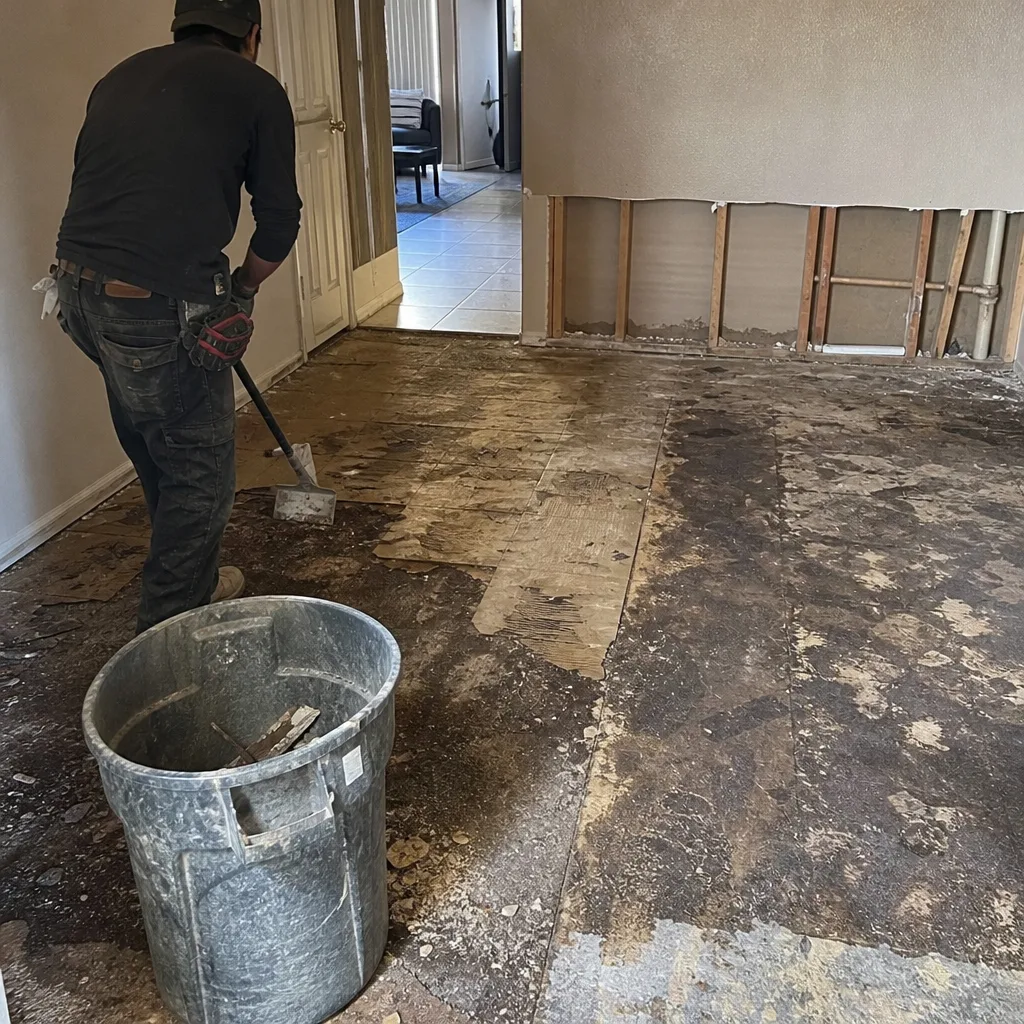 Before
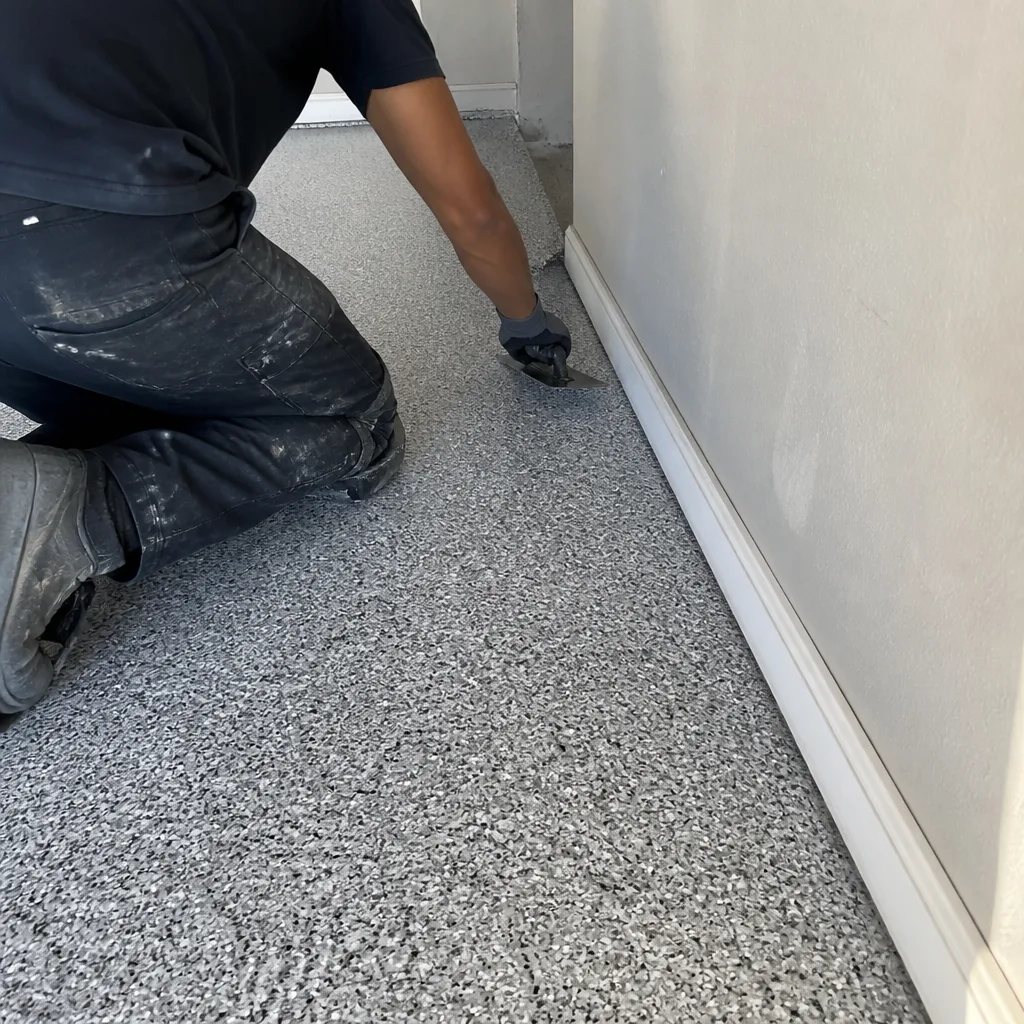 After
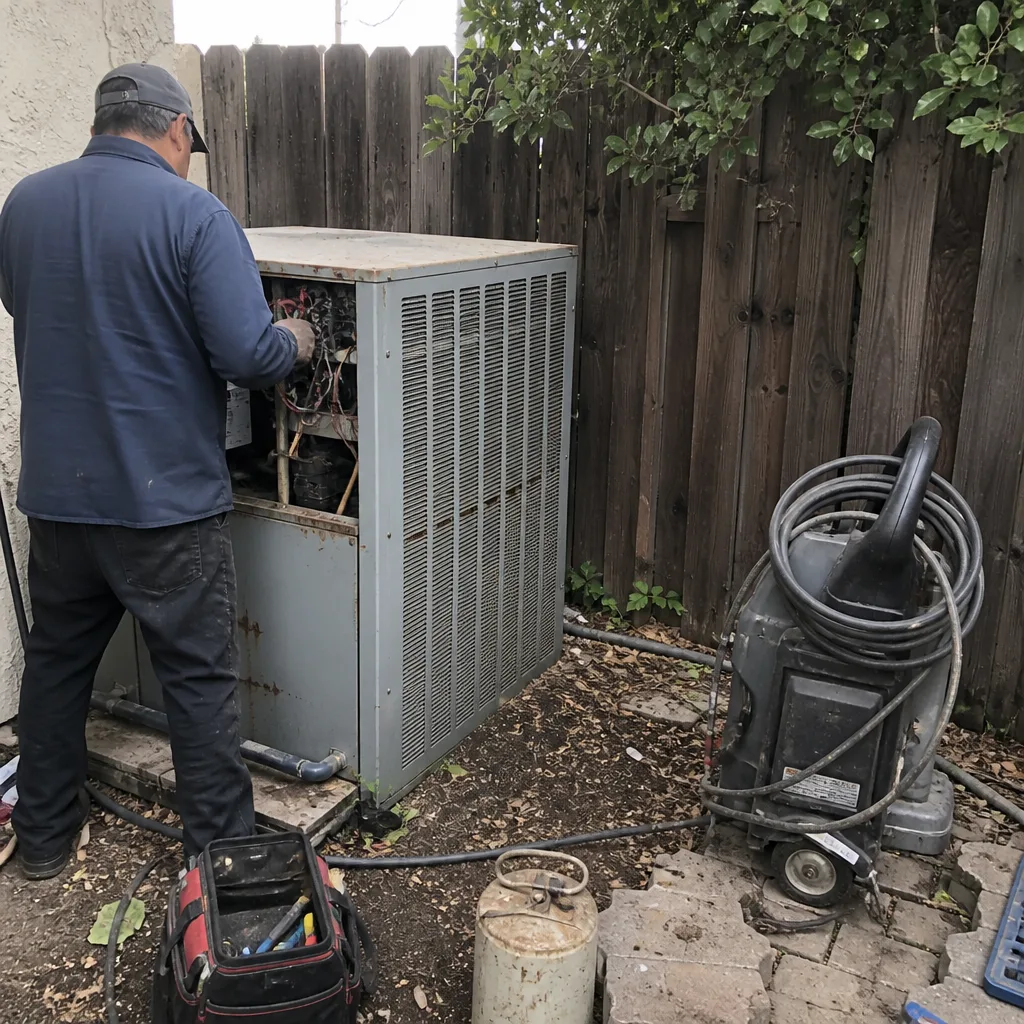 Before
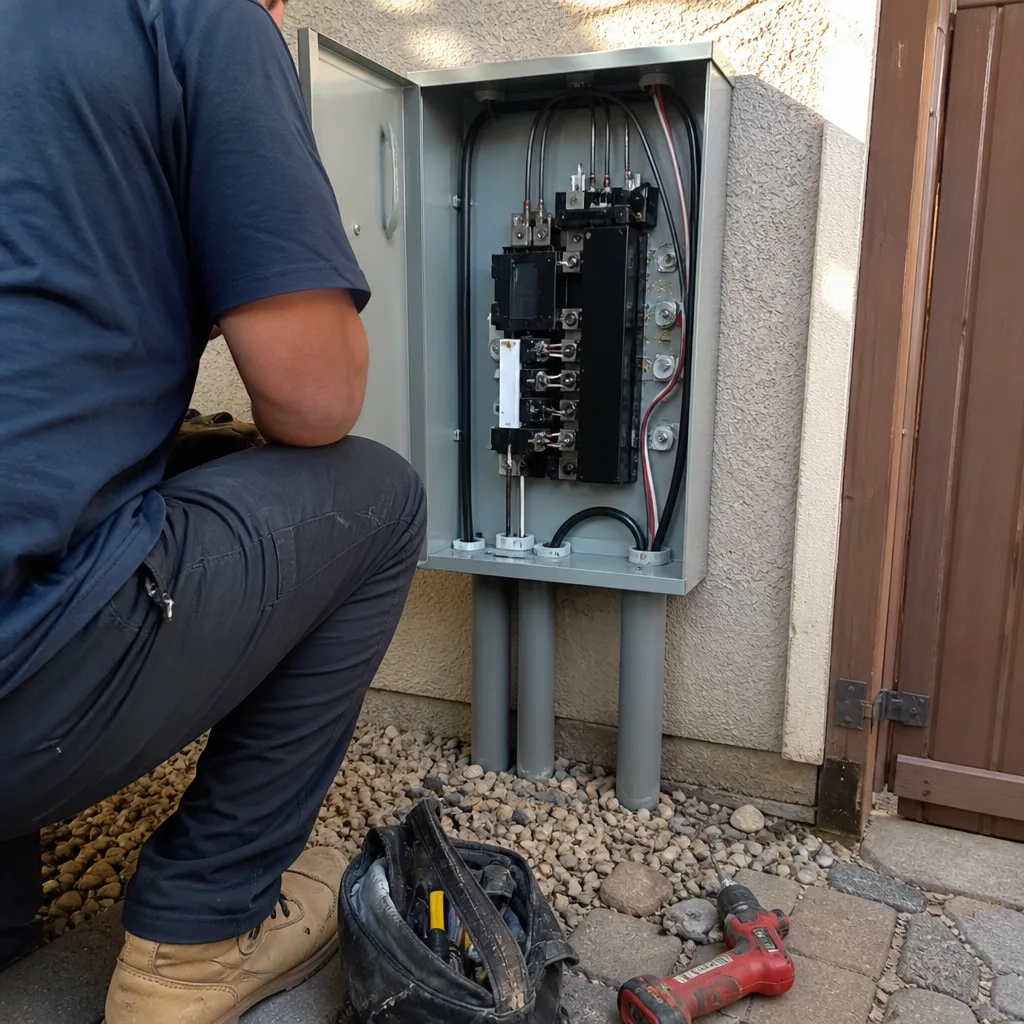 After
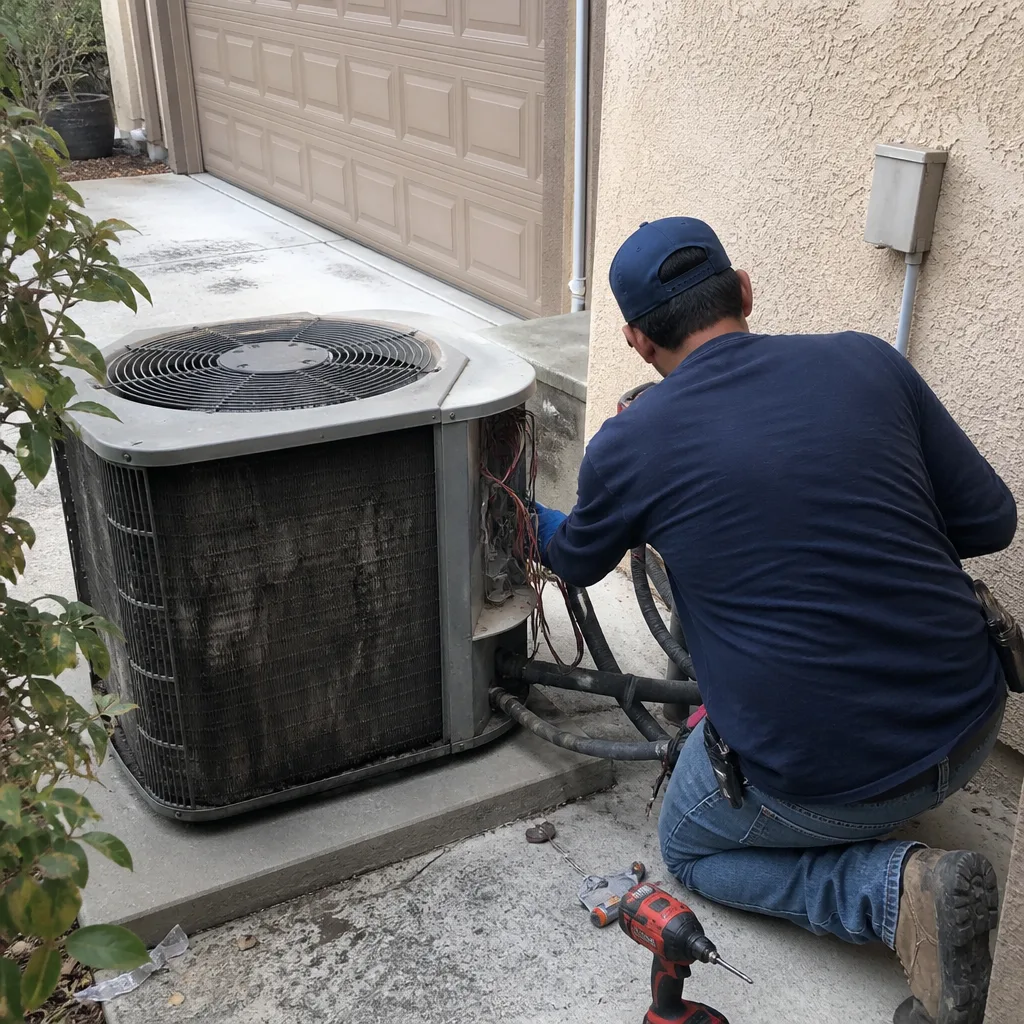 Before
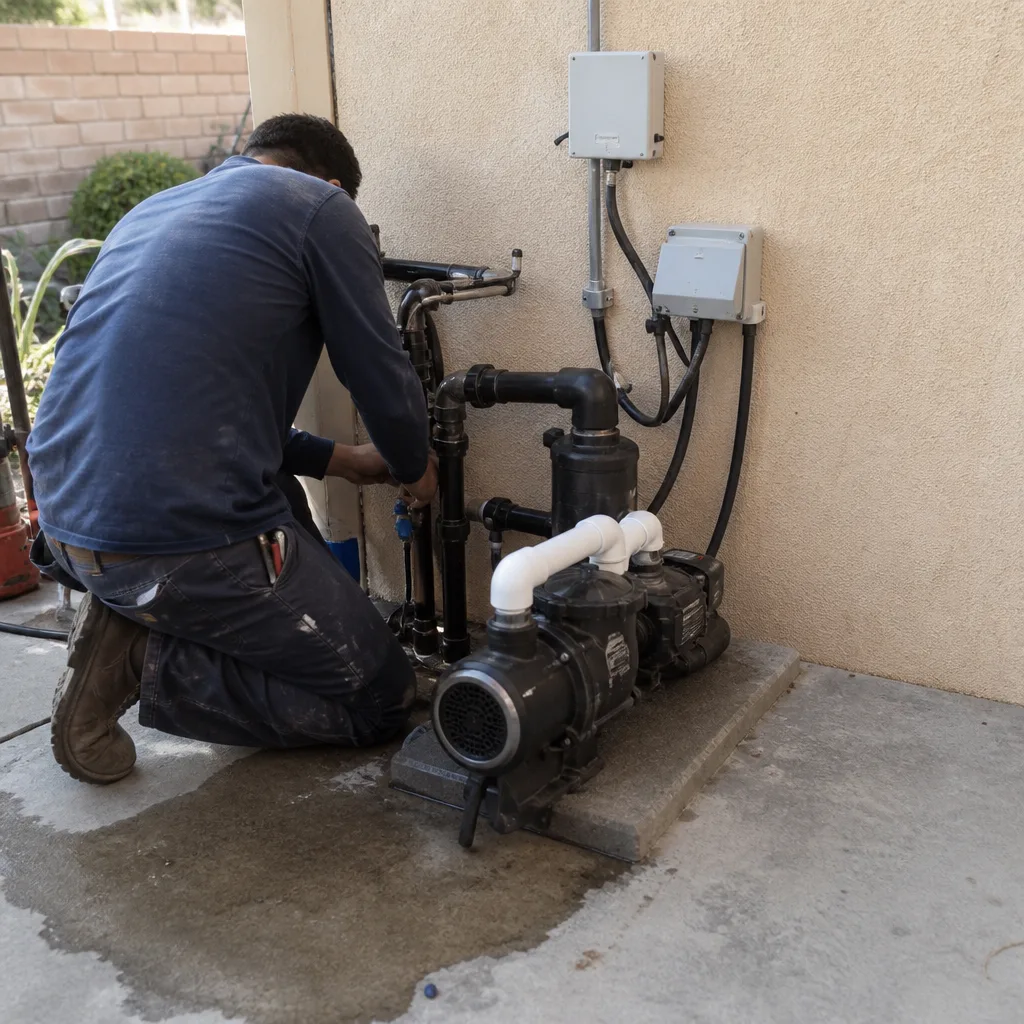 After