

Last updated October 31, 2026
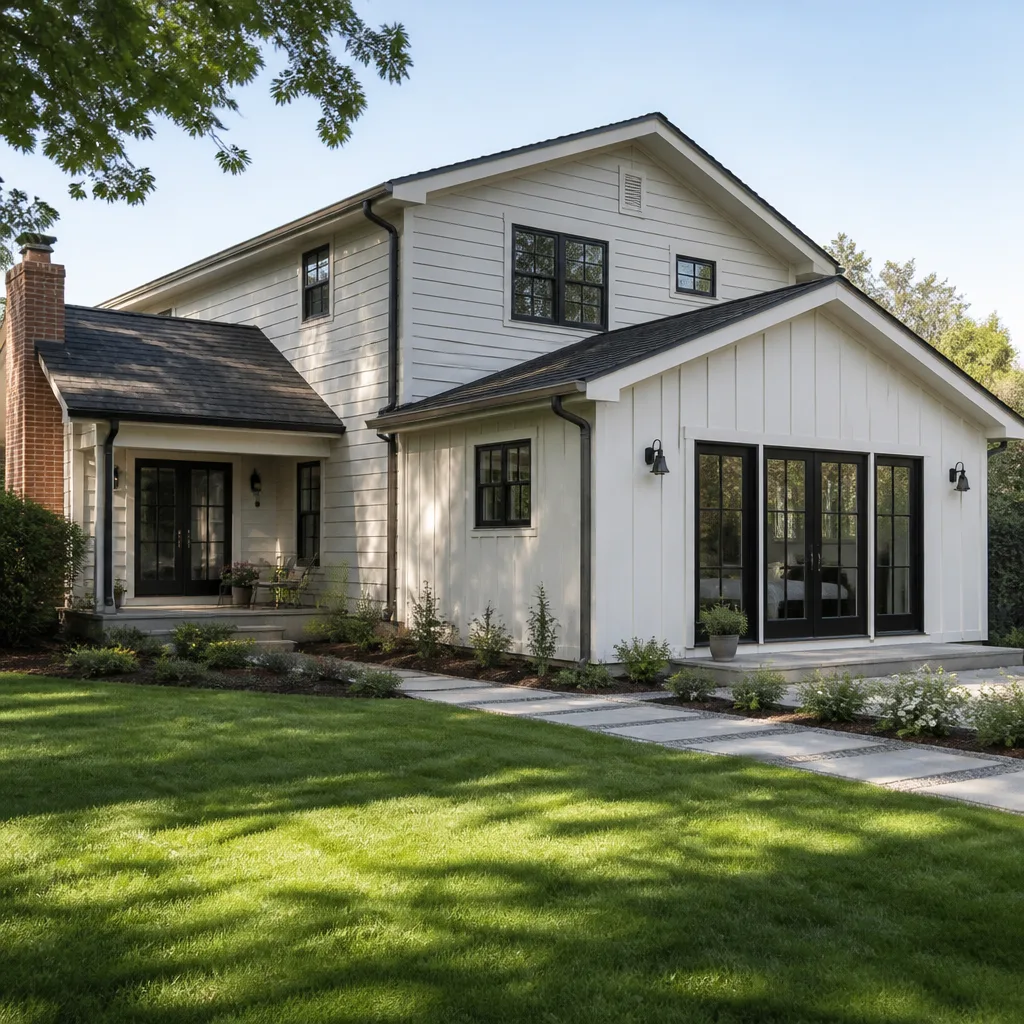 Home additions & ADU
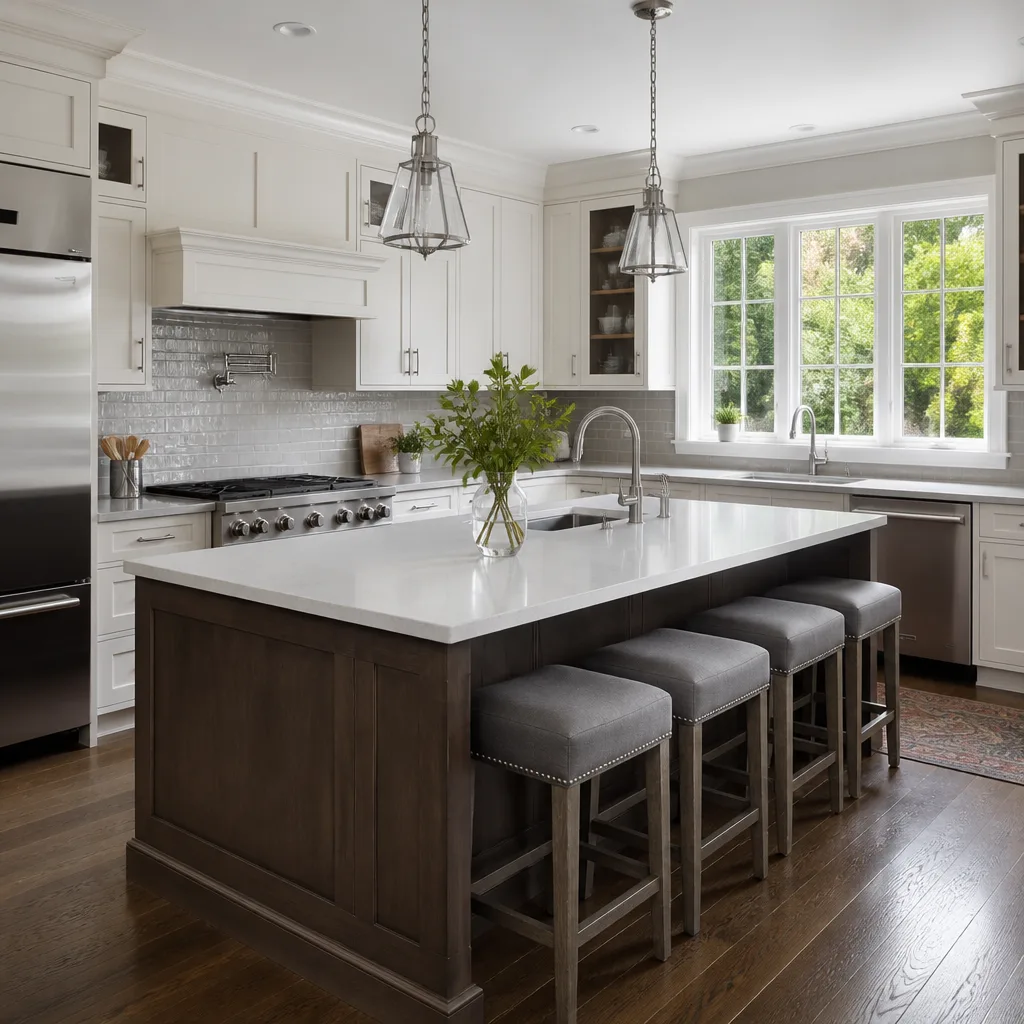 Kitchen remodeling
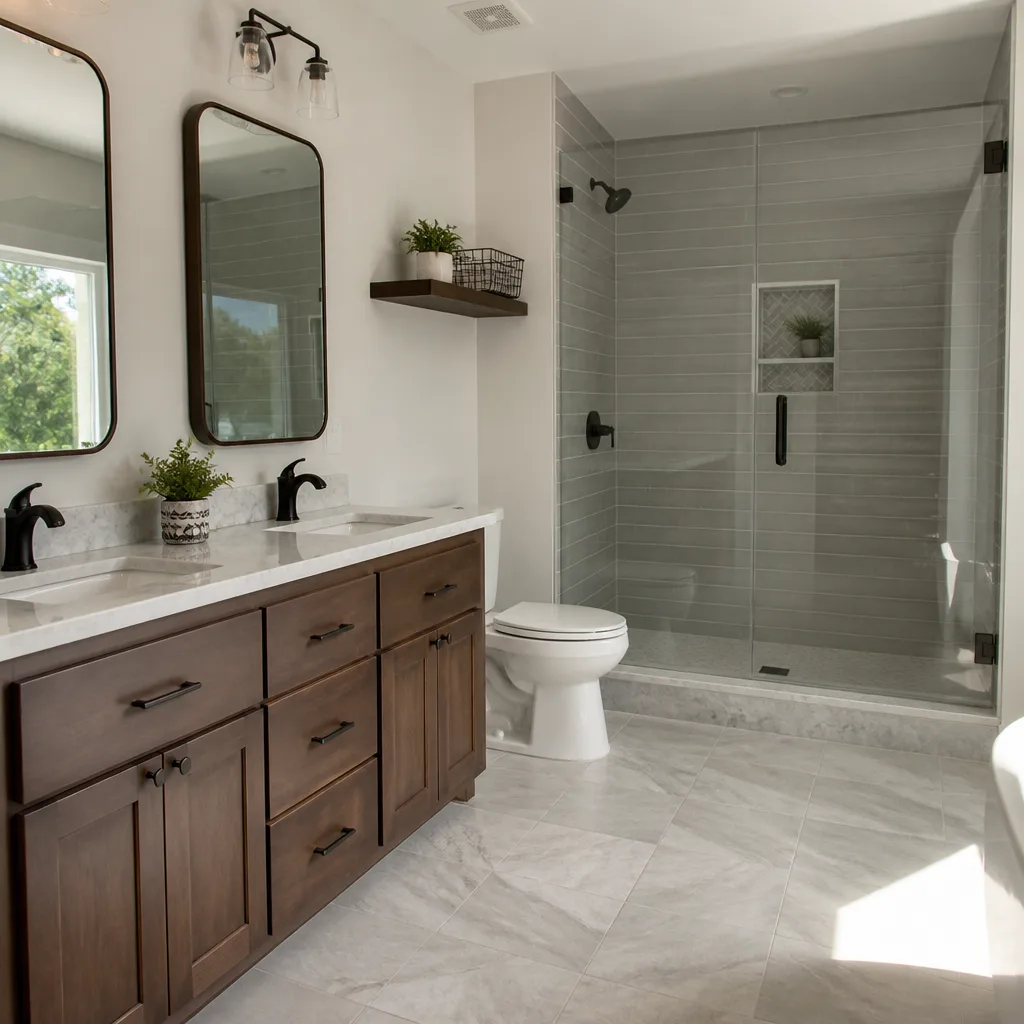 Bathroom remodeling
 Roofing
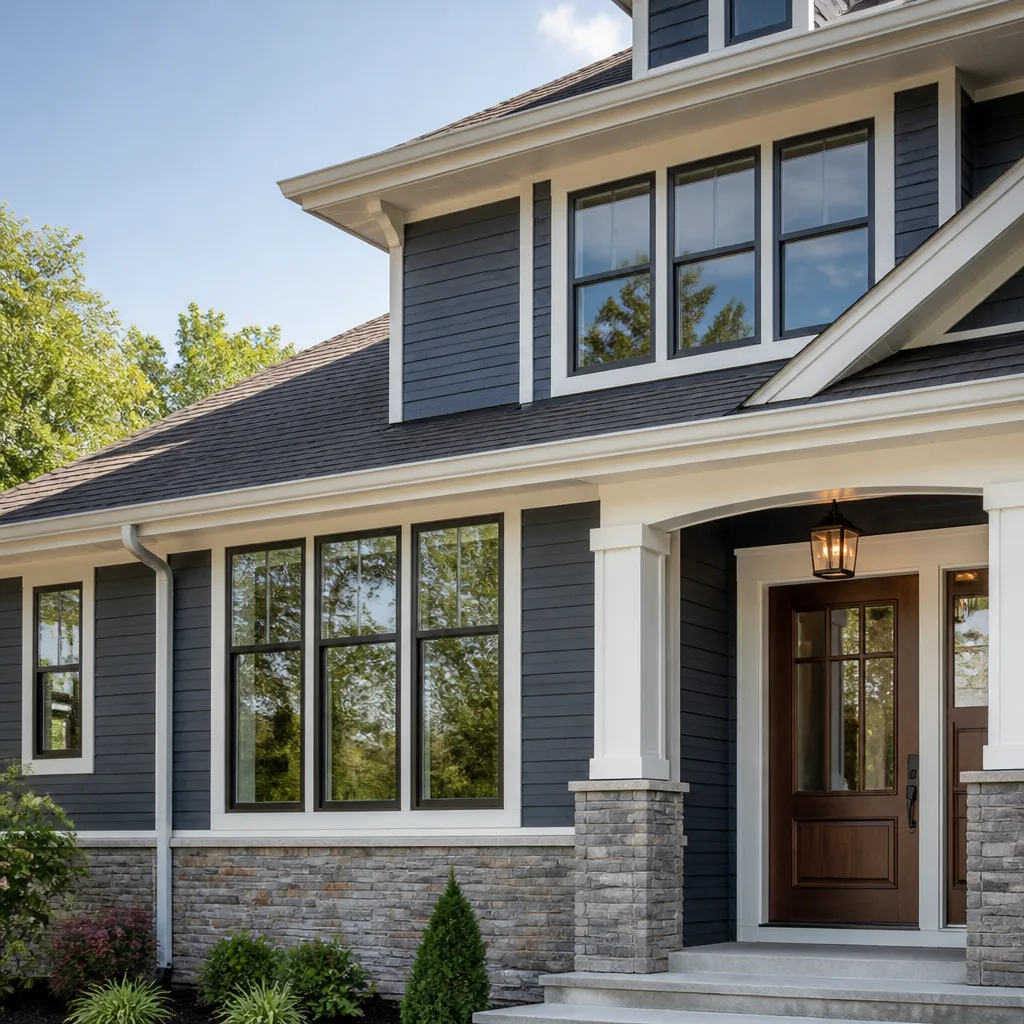 Windows & doors
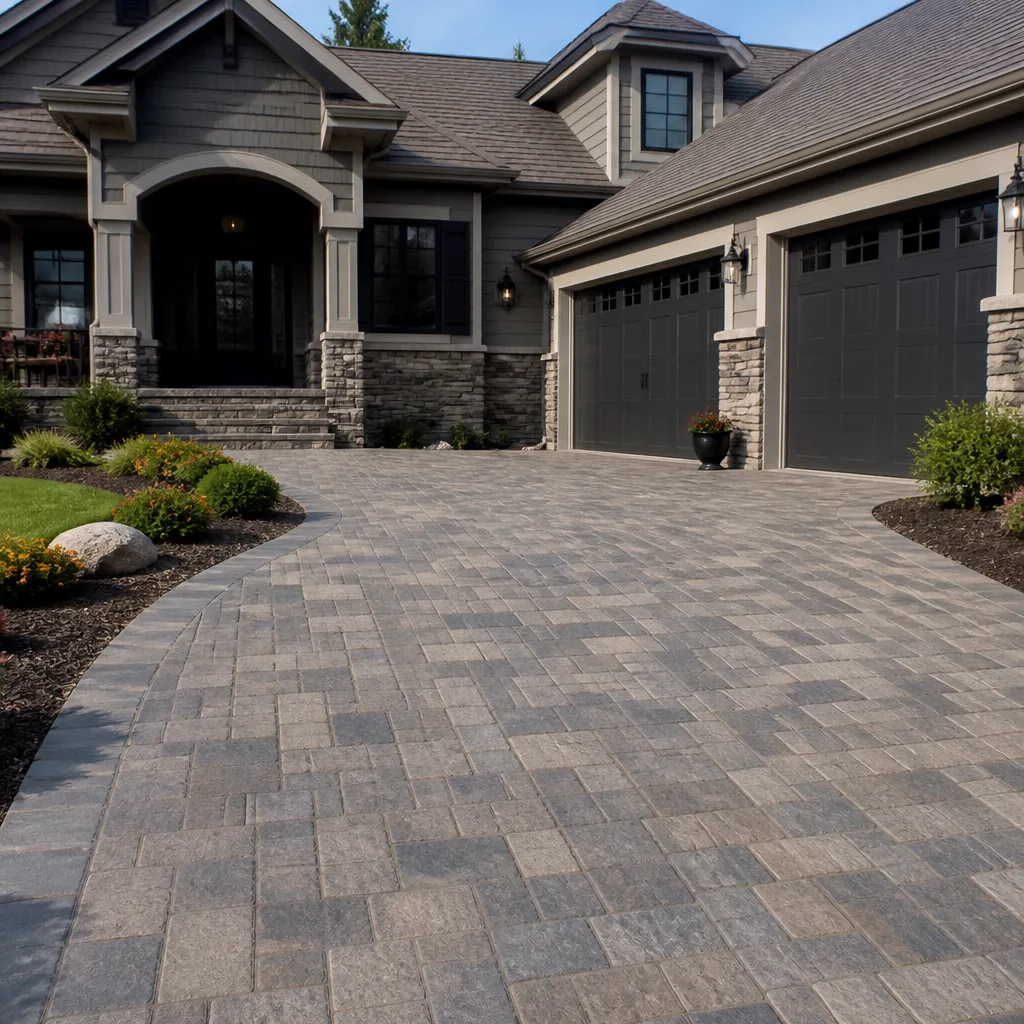 Driveway & pavers
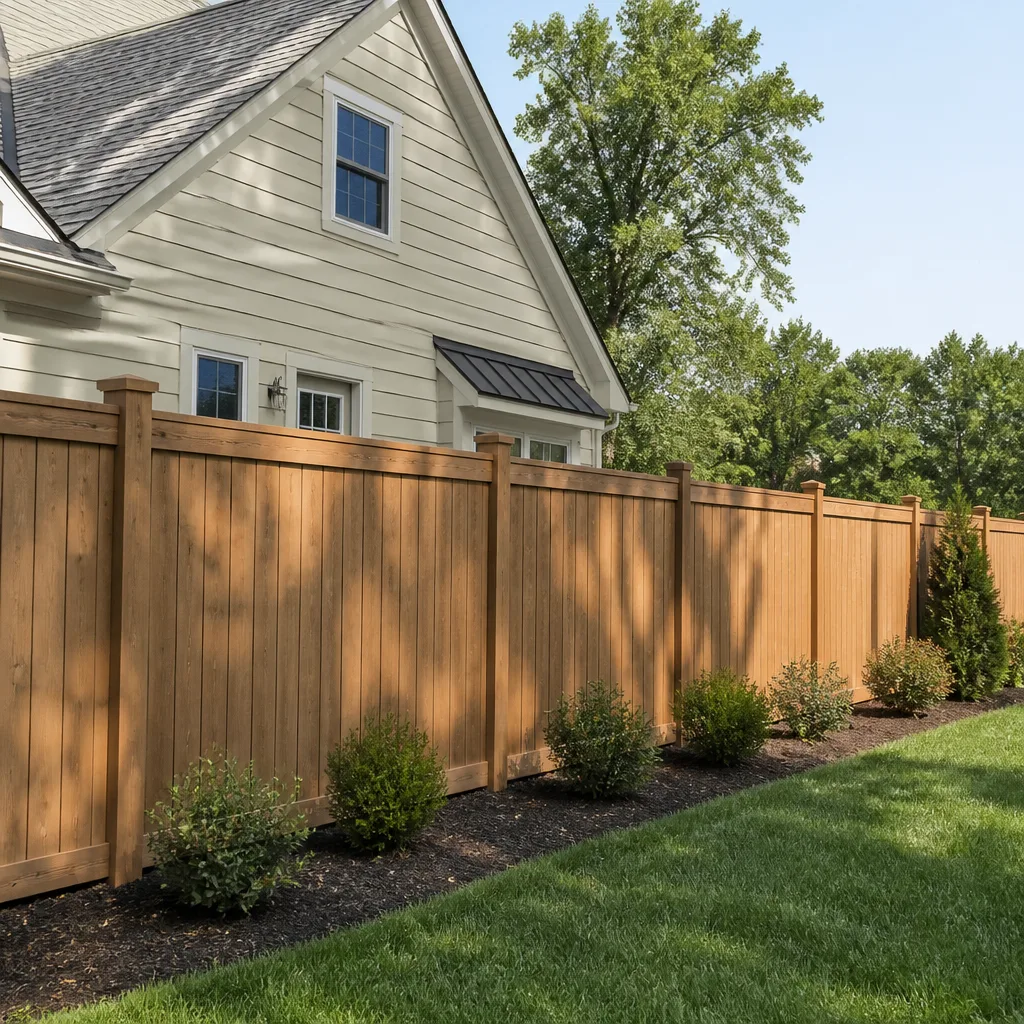 Fence
Free written scope consultation - allowances, timeline, and change-order rules on paper before a single trade is scheduled
The Complete General Contractor Guide for Corona Homeowners
Riverside County issued over 4,200 residential permits last year, yet city inspectors flagged nearly 1 in 5 projects for scope creep beyond the original permit. That failure almost always traces back to hiring a general contractor who didn’t pull the right permits upfront, didn’t understand Corona’s specific HOA overlay districts, or underestimated what Riverside County actually enforces. This Complete Guide to Construction in Corona maps the local landscape so you can plan, hire, and execute a remodel without the surprises that derail most projects. You’ll learn how Corona’s permit process differs from neighboring cities, why your HOA might add weeks to your timeline, and how to vet a GC before you sign anything.
Styles & brands we work with
Quick Answer
A general contractor in Corona, CA manages your remodel or renovation from permit to final inspection, handling every trade under one accountable contract. The right Corona GC knows Riverside County’s specific permit requirements, navigates HOA approval layers common in communities like Trilogy and Sycamore Creek, and carries a Class B license with the scope to manage multi-trade projects. Before hiring anyone, verify their license classification, ask about their Corona project history, and get a written line-item estimate that includes permit costs.
Table of Contents
- How the Corona Permit Process Actually Works
- Why Corona HOAs Add a Hidden Approval Layer
- Class B vs. Class A: What Your Corona GC’s License Really Means
- Why Multi-Trade Single-Source Contractors Reduce Permit Cycles
- How to Read a Corona Property’s Certificate of Occupancy
- Realistic Project Calendars for Corona’s Three Most Common Remodels
- How to Vet a General Contractor Before You Sign
- Common Mistakes to Avoid
- When to Call a Professional
- Frequently Asked Questions
- The Bottom Line
How the Corona Permit Process Actually Works
Corona sits under Riverside County building jurisdiction, but the city operates its own building and safety department. That means your project gets reviewed by Corona city plan checkers, not county staff, and Corona enforces the 2022 California Building Code with local amendments. For a typical kitchen remodel in Corona, you’re looking at plan check fees, building permit fees, electrical, plumbing, and mechanical sub-permits, plus a possible planning review if your home sits in a designated overlay zone. The total permit cost for a mid-size kitchen remodel in Corona runs roughly $1,200 to $2,800 depending on scope; see our Construction Cost Breakdown for Corona Homeowners for fuller context.
The timeline is where most homeowners get caught off guard. Corona’s plan check for a standard remodel typically takes two to four weeks, but only if the plans are complete. If your contractor submits drawings with missing structural details or unclear electrical layouts, Corona sends a correction notice and the clock restarts. We’ve seen projects in Corona’s South Ridge and Eagle Glen neighborhoods add six weeks to the schedule because plans weren’t ready for submission. A contractor who has pulled Corona permits before knows what the city’s plan checkers look for.
- Corona building permits for remodels: $1,200 – $2,800 typical range for kitchens, baths, and interior renovations
- Plan check turnaround: 2 – 4 weeks for standard scope, longer for structural changes or additions
- Corona requires separate electrical, plumbing, and mechanical sub-permits for most remodel work
- Hillside overlay zones in Corona add geotechnical review requirements
One detail that separates experienced Corona contractors from the rest: the city requires a pre-construction meeting for larger additions and ADU projects. If your GC doesn’t schedule that meeting proactively, your start date slips by weeks. Gold Star Contractors handles this as standard practice on every Corona project, because the city’s process doesn’t wait for anyone.
Why Corona HOAs Add a Hidden Approval Layer
Much of Corona’s housing stock sits inside planned communities governed by homeowner associations with architectural review boards. Trilogy at Glen Ivy, Sycamore Creek, Eagle Glen, and The Retreat are just a few where exterior changes, additions, and even some interior remodels require HOA approval before the city will issue your permit. The HOA review process in Corona typically takes two to six weeks, and many HOAs only review applications at monthly board meetings. Miss the submission deadline by three days and you’re waiting another month.
What most general contractor guides don’t tell you: your HOA’s design standards may be stricter than Corona’s building code. A roofline change that the city approves without question could still get rejected by your HOA’s architectural committee. Window replacements in Sycamore Creek, for example, often require HOA sign-off on frame color and grid pattern before installation. Fencing projects in many Corona HOA communities must match specific materials and heights regardless of what city code allows.
Here’s the sequence that actually works in Corona:
- Request your HOA’s architectural guidelines before your contractor draws plans
- Have your GC prepare plans that satisfy both city code and HOA design standards simultaneously
- Submit to your HOA architectural review committee first and get written approval
- Submit HOA approval letter with your Corona building permit application
- Post HOA approval at the job site alongside your city permit during construction
This sequence prevents the classic Corona failure mode: contractor pulls city permits, demo day arrives, and a neighbor complains to the HOA because the project doesn’t have architectural approval. The HOA issues a stop-work order and your remodel grinds to a halt. Your contract should explicitly name HOA coordination as the contractor’s responsibility. If it doesn’t, that cost and delay lands on you.
Class B vs. Class A: What Your Corona GC’s License Really Means
California general contractors hold either a Class B or a Class A license, and the difference matters more in Corona than most homeowners realize. A Class B license, formally called a General Building Contractor license, authorizes work on structures that are two stories or less and intended for residential occupancy. That covers most single-family remodels, additions, and ADU projects in Corona. A Class A license, called a General Engineering Contractor license, covers infrastructure work like grading, drainage systems, roadways, and large-scale earthwork.
The threshold that trips up Corona homeowners: hillside construction. Much of Corona’s southern and western edges sit on sloping terrain where retaining walls exceed four feet, drainage systems cross property lines, or foundations require engineered pads. These scopes can push a project into territory that requires engineering sign-off, and in some cases a Class A contractor’s involvement for the site work. If a Class B contractor takes a hillside Corona project without bringing in an engineer, you’re at risk for permitting delays and structural problems.
- Class B: residential construction, framing, remodels, additions, two stories or less
- Class A: heavy construction, grading, drainage, infrastructure, earthwork
- Corona hillside projects often need both a Class B contractor and a geotechnical engineer
- ADUs in Corona with new foundation work and grading may require engineering review regardless of license class
Ask any Corona GC candidate for their license number and verify it directly with the California Contractors State License Board. Check that the classification matches your project scope. A contractor who hesitates to provide a license number, or whose online listing doesn’t match what they told you, is a red flag you can’t afford to ignore in Corona’s enforcement environment.
For reference, you can explore General Contractor in Anaheim for comparison context on how neighboring cities handle similar licensing questions, but Corona’s hillside requirements are a different animal entirely.
Why Multi-Trade Single-Source Contractors Reduce Permit Cycles
Riverside County permit timelines compress when one accountable contractor manages the full scope. Here’s the mechanics: when a homeowner hires separate subcontractors for plumbing, electrical, framing, and finishes, each trade files their own permit application with the city of Corona. Each application gets its own plan check review, its own correction cycle, and its own inspection scheduling. The city doesn’t coordinate between them. That means your kitchen remodel in Corona could wait on four separate plan check approvals, four separate correction letters, and four separate inspection calendars before work even starts.
A single-source general contractor in Corona files one permit package covering all scopes. One plan check. One set of corrections. One inspection sequence. The city processes it as a unified project, which means your contractor can sequence rough-in inspections logically instead of waiting for four different trade dispatchers to align schedules. In our experience across Corona projects, the single-source approach cuts four to six weeks off the average permitting timeline compared to multi-contractor coordination.
The second advantage is accountability. When plumbing fails inspection in Corona, the framing contractor doesn’t wait around. They move to another job and now your timeline resets when they can fit you back in. A single GC owns the entire sequence, so the framing crew is booked knowing exactly when plumbing rough-in clears. The schedule holds because one person controls it.
The Gold Star Contractors model runs on this principle. We specify the brand, manage the install, and stand behind the result. When our Corona clients want Cambria countertops, Wellborn cabinetry, and Grohe fixtures in the same kitchen, we’re coordinating every trade against one permit, one schedule, and one inspection calendar. Compare that to managing three separate vendor relationships plus a handyman plus a tile installer plus a painter. Your home is too important to coordinate five different contractors.
If you’re considering a full interior remodel, read more about how we structure projects at Home Remodeling in Anaheim for process details that apply across Southern California.
How to Read a Corona Property’s Certificate of Occupancy
Before you sign a GC contract in Corona, pull your property’s certificate of occupancy from the city. It’s a public record request, it costs under $30, and it tells you whether prior owners made changes that were never permitted. Corona’s 1980s-era tracts, particularly in neighborhoods like South Corona and the areas around Promenade Avenue, have a long history of garage conversions, sunroom additions, and patio enclosures that skipped the permit process entirely.
Here’s how to read what you find:
- Check the certificate’s issuance date against your home’s original build date; if they don’t match, find out why
- Compare the square footage listed to the actual square footage from a recent appraisal; a 200-square-foot gap suggests an unpermitted addition
- Check the number of bedrooms and bathrooms recorded; if your home has a “flex room” used as a bedroom but recorded as a den, that’s an unpermitted conversion
- Look for any notes about finaled permits, corrections, or open code violations attached to the property
- If the certificate shows unpermitted work, ask your Corona GC to include a “legalization” scope in your remodel plan
Why this matters for your contract: if you sign a corona renovation contract that doesn’t address unpermitted work, and an inspector discovers it during your project, the city can require you to bring that pre-existing work up to current code before signing off on your new remodel. That’s a five-figure surprise that no one budgets for. A contractor who checks for this upfront, before you sign, is doing their job. A contractor who never mentions it is either inexperienced or hoping the inspector won’t notice.
Corona’s building department reviews for this systematically, and inspectors in older Corona neighborhoods see the same unpermitted patterns repeatedly. Experienced local GCs anticipate them. The fix is usually straightforward: file for a retroactive permit, make whatever corrections the code requires, and roll it into your remodel scope. But you have to know it exists before you can plan for it.
For a deeper look at how renovations handle existing structure issues, Home Renovation in Anaheim covers the legalization process in detail.
Realistic Project Calendars for Corona’s Three Most Common Remodels
Here are realistic timelines for the three remodels we see most often in Corona, based on current city permit windows and typical construction sequencing. These assume no major surprises in plan check and no HOA delays beyond the standard review period.
Kitchen Expansion (opening a wall, reconfiguring layout, new finishes):
- HOA approval (if required): 2 – 6 weeks
- Plans and engineering: 2 – 3 weeks
- Corona plan check: 2 – 4 weeks
- Permit issuance: 1 week
- Demo and rough-in: 2 – 3 weeks
- Inspections (rough-in, electrical, plumbing): 1 – 2 weeks
- Finishes, cabinets, counters, fixtures: 4 – 6 weeks
- Final inspection: 1 week
- Total: 15 – 26 weeks
ADU Addition (800 – 1,000 square feet, new construction):
- Feasibility review and site survey: 2 – 3 weeks
- HOA approval (many Corona HOAs have specific ADU policies): 3 – 8 weeks
- Architectural and structural plans: 4 – 6 weeks
- Corona plan check for ADUs: 4 – 8 weeks
- Permit issuance: 1 – 2 weeks
- Foundation and framing: 6 – 10 weeks
- Mechanical, electrical, plumbing rough-in: 3 – 4 weeks
- Inspections: 2 – 3 weeks
- Finishes and site work: 6 – 10 weeks
- Final inspection and occupancy: 1 – 2 weeks
- Total: 30 – 54 weeks
Full Exterior Re-Skin (roof, windows, siding, fencing):
- Materials selection and ordering (roofing, windows, siding all have lead times): 4 – 10 weeks
- HOA approval for visible changes (roof color, window frames, fencing): 2 – 6 weeks
- Corona permit (roofing and fenestration): 2 – 3 weeks
- Roof tear-off and installation: 1 – 2 weeks
- Window removal and installation: 1 – 2 weeks
- Siding installation: 2 – 4 weeks
- Fencing and hardscape: 2 – 4 weeks
- Final inspections: 1 week
- Total: 15 – 32 weeks
These aren’t worst-case scenarios. Corona’s plan check times fluctuate with seasonal demand, and material lead times for brands like PGT windows and Boral roofing have stretched beyond historical norms. If you’re planning a project for a specific season, back into your start date from your target completion date and add four weeks of buffer.
How to Vet a General Contractor Before You Sign
Corona homeowners have specific things to verify that generic contractor checklists miss. Go through this sequence before you sign anything:
- Verify the license number with the CSLB. Confirm the classification matches your project and check for any disciplinary actions.
- Ask for Corona-specific project references. A contractor who has done five projects in Orange County but none in Corona doesn’t know how this city’s plan checkers work or what local inspectors flag. Ask for references in Corona neighborhoods similar to yours.
- Request the contractor’s list of manufacturer certifications. This tells you whether they can buy direct from brands like Cambria, Caesarstone, and Silestone, or whether they’re buying from a distributor at a markup. Certified installers get factory training that shows up in the result.
- Ask how they handle HOA coordination. If the answer is “that’s the homeowner’s responsibility,” factor the HOA timeline and paperwork into your own workload or find a different contractor.
- Request a written line-item estimate that separates material costs, labor, permit fees, and any allowances. Vague single-number bids hide where you’re paying for things you don’t need and where corners will get cut.
- Confirm who pulls the permits. In Corona, the contractor of record pulls the building permit. If the contractor suggests you pull the homeowner permit, the usual reason is that they’re not licensed for the work.
One contractor. Every system. No handoff gaps. That’s the standard you’re looking for, and the vetting process above will surface whether a candidate actually operates that way or just claims to.
Common Mistakes to Avoid
- Skipping the HOA review before submitting permits. Corona HOA communities like Sycamore Creek and Trilogy can stop your project after the city approves it. Get HOA sign-off first, every time.
- Hiring a contractor from outside Riverside County who doesn’t know Corona’s plan check specifics. Corona’s inspectors enforce details that vary from neighboring jurisdictions, and the learning curve shows up as correction cycles on your timeline.
- Ignoring unpermitted work on your property before starting a remodel. A certificate of occupancy review costs under $30 and can save you five figures in code compliance surprises.
- Accepting a lump-sum bid without a line-item breakdown. You can’t evaluate whether you’re paying for quality materials or inflated labor when you can’t see the split.
- Choosing materials without knowing which brands your contractor can actually source. If you picked Cambria countertops and your GC isn’t a Cambria-certified installer, you’re either paying a middleman or getting a different product than you specified.
- Underestimating material lead times. PGT windows, Boral roofing, and CWS impact doors all have extended lead times. Order before you need them, not when you need them.
- Signing a contract without a project calendar attached. A contract without dates is a wish, not an agreement. Your Corona project calendar should name specific milestone dates tied to payments.
When to Call a Professional
If your Corona project involves structural changes, window or door replacement, roofing, electrical, plumbing, or anything that requires a city permit, you need a licensed general contractor. This isn’t optional. Corona’s building department enforces California state law requiring licensed contractors for work over $500 in combined labor and materials. Unlicensed work means no permit, no inspection, and no recourse if the work fails.
Specific scenarios that demand a professional GC in Corona: kitchen remodels that move walls or change the electrical layout, ADU construction, exterior re-skins involving roofing or window replacement, any project in an HOA community, and any hillside property where grading or retaining walls are involved. Gold Star Contractors offers free estimates in Corona. Call (833) 382-8544 to schedule yours.
Frequently Asked Questions
General contractor fees in Corona typically run 15% to 20% of total project cost, with most full remodel projects ranging from $50,000 to $250,000 depending on scope. A kitchen remodel in Corona averages $45,000 to $90,000, a bathroom $25,000 to $60,000, and an ADU $150,000 to $350,000. Call (833) 382-8544 for an exact quote on your Corona project; estimates are free.
Standard Corona building permits take two to four weeks for plan check approval, assuming complete plans. ADU permits run four to eight weeks, and projects in hillside overlay zones require additional geotechnical review time. HOA approval, if required, adds two to six weeks on top of city timelines.
Yes, if your home sits in an HOA-governed community like Trilogy, Sycamore Creek, Eagle Glen, or The Retreat, and your remodel changes anything visible from the exterior or involves structural work. Interior remodels that don’t change the home’s footprint may still require notification. Check your HOA’s architectural guidelines before your contractor starts drawing plans.
A Class B General Building Contractor license covers most residential remodels, additions, and ADUs in Corona. Hillside projects with significant grading or retaining wall work may require a Class A contractor or geotechnical engineering involvement. Verify any contractor’s license number with the California CSLB before signing.
Yes, experienced Corona contractors include a “legalization” scope in your remodel plan that brings pre-existing unpermitted work up to current code and files retroactive permits. Expect to pay additional fees and possibly make corrections before the city signs off. It’s far cheaper to address it during a remodel than to discover it at sale.
With a written line-item estimate and a defined scope, your price should hold unless you change the scope or the inspector requires something the contract didn’t cover. Vague contracts change price. Specific contracts don’t. Insist on a detailed written estimate before work begins, and call (833) 382-8544 to review your Corona project scope with us.
The Bottom Line
Corona homeowners who plan around the city’s specific permit cycles, HOA approval layers, and property history avoid the delays and cost overruns that hit most remodels. The smartest move you can make before any project is to pull your certificate of occupancy, read your HOA guidelines, verify your contractor’s license classification, and insist on a written line-item estimate with a real project attached. For more guides & resources, visit our blog. A single-source Corona general contractor who manages permits, HOA coordination, and every trade under one schedule is worth the premium over juggling vendors yourself. Gold Star Contractors serves Corona homeowners with the full-scope capability to handle kitchens, bathrooms, roofing, windows, siding, fencing, hardscaping, and ADU construction. Call (833) 382-8544 for a free estimate.
Written by the team at Gold Star Contractors, serving Corona since 2012.
You can learn more about our full-scope services at the Gold Star Contractors home page.
See the difference
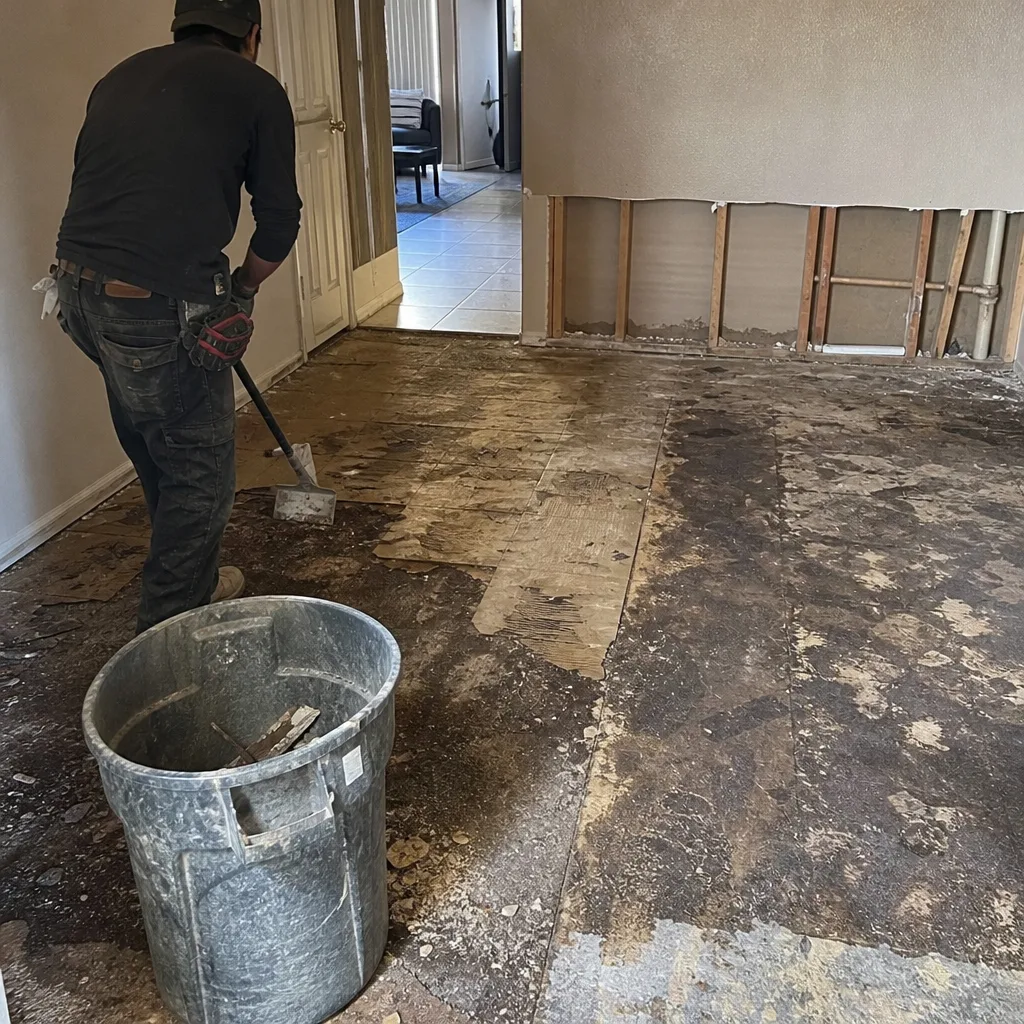 Before
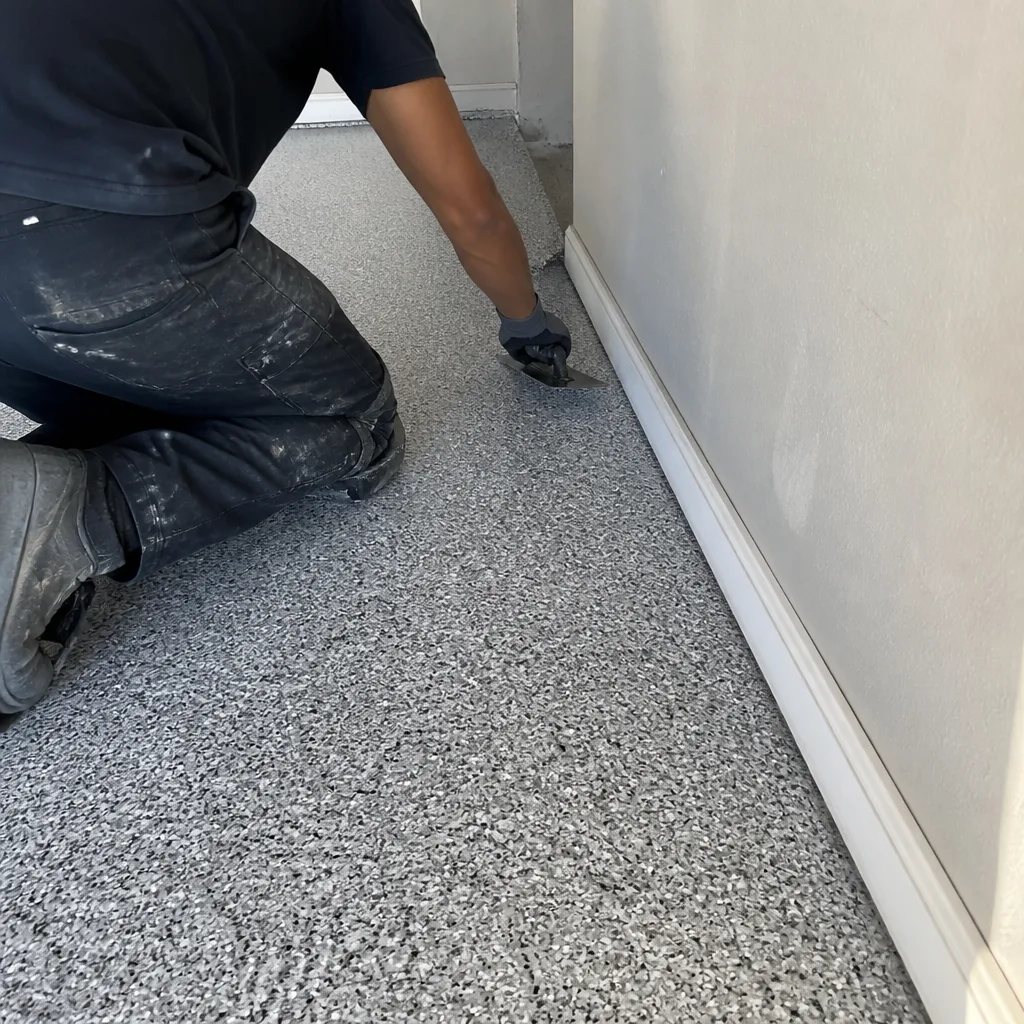 After
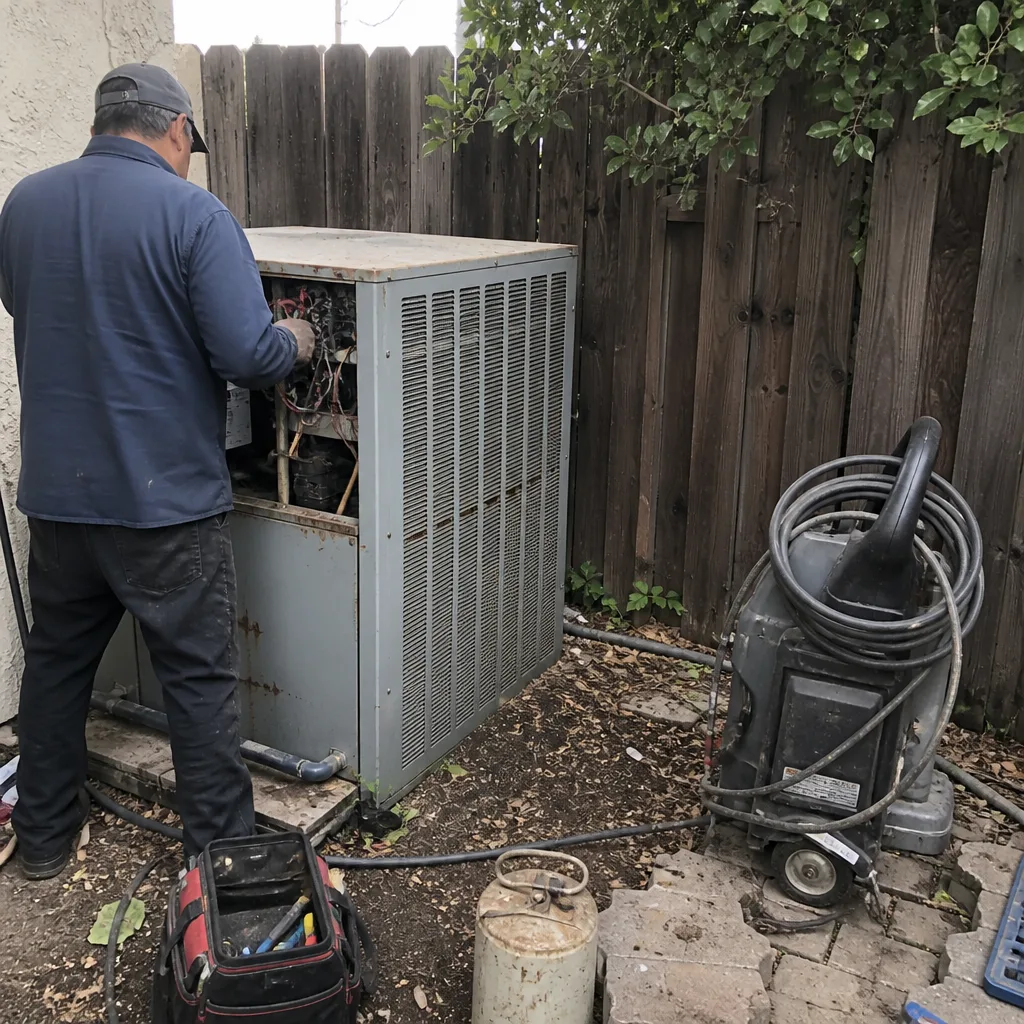 Before
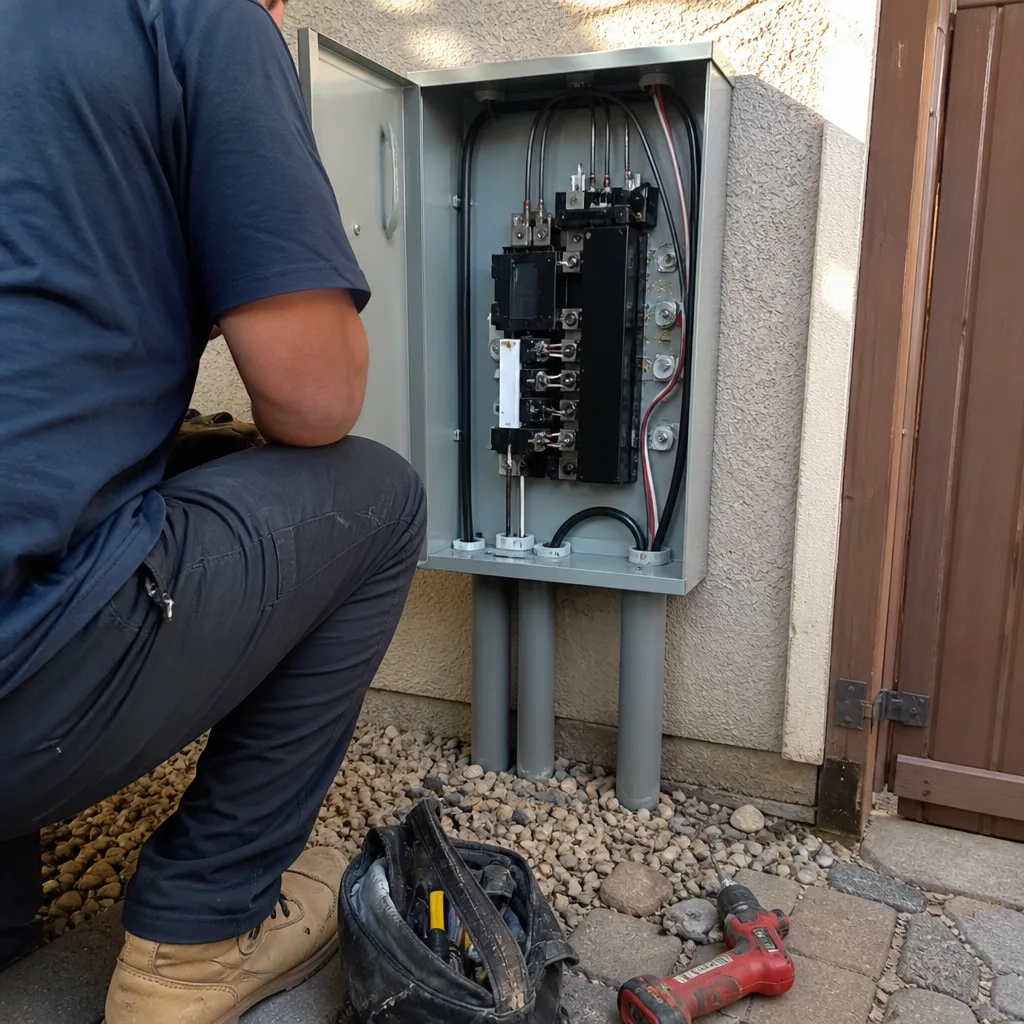 After
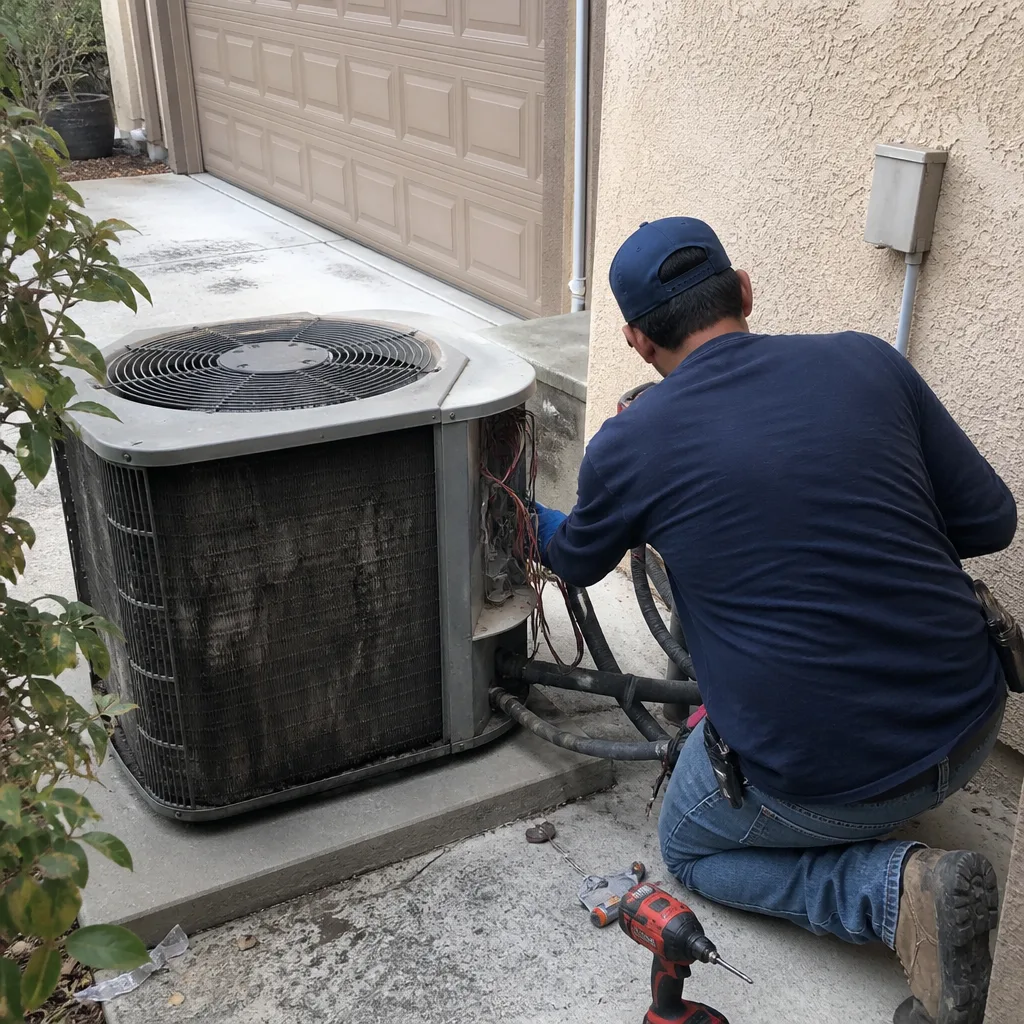 Before
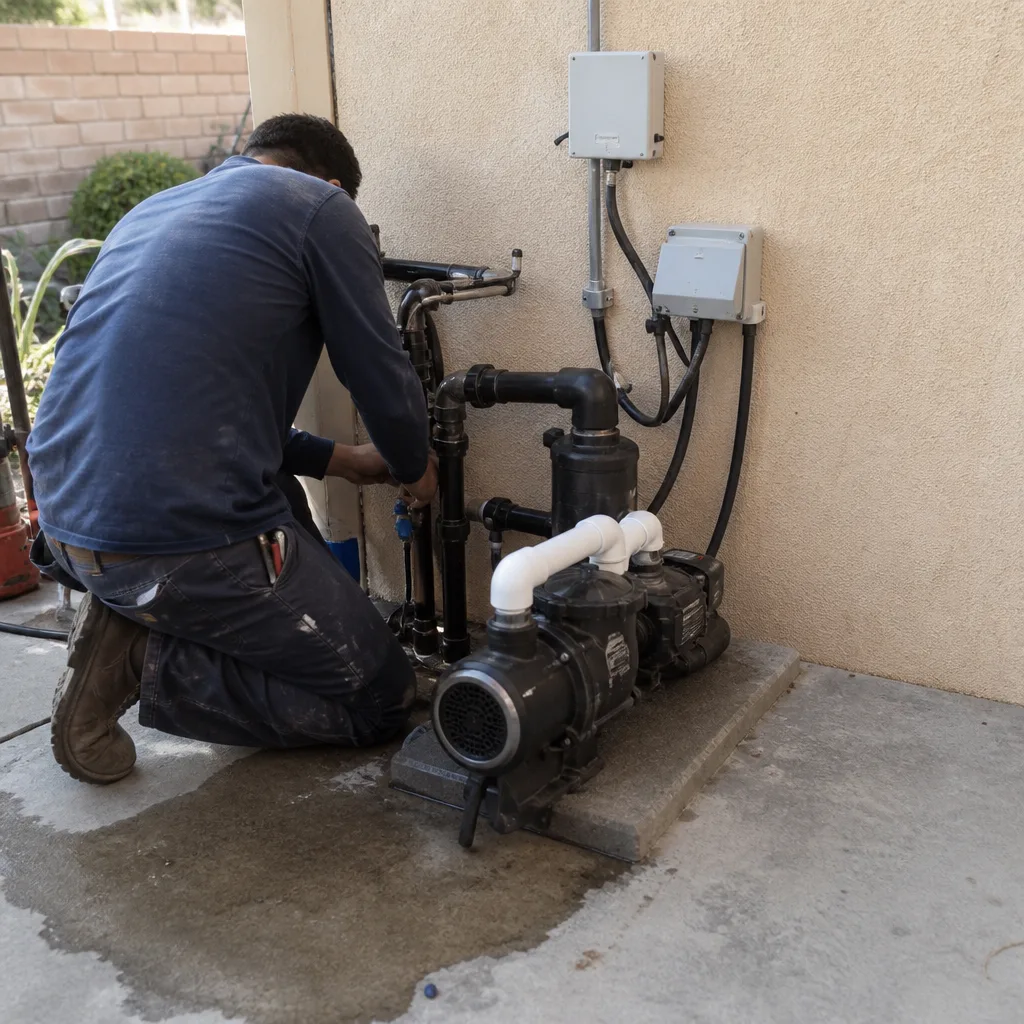 After