

Last updated October 31, 2026
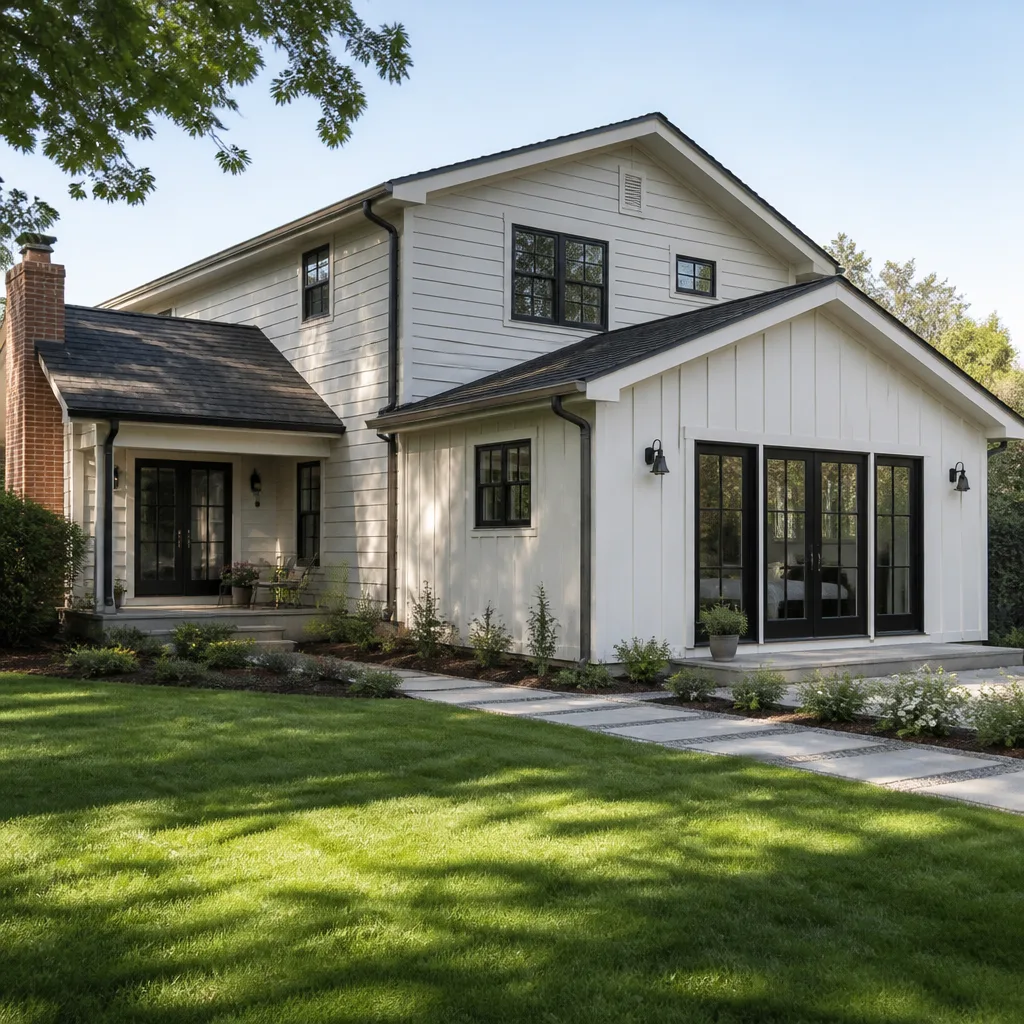 Home additions & ADU
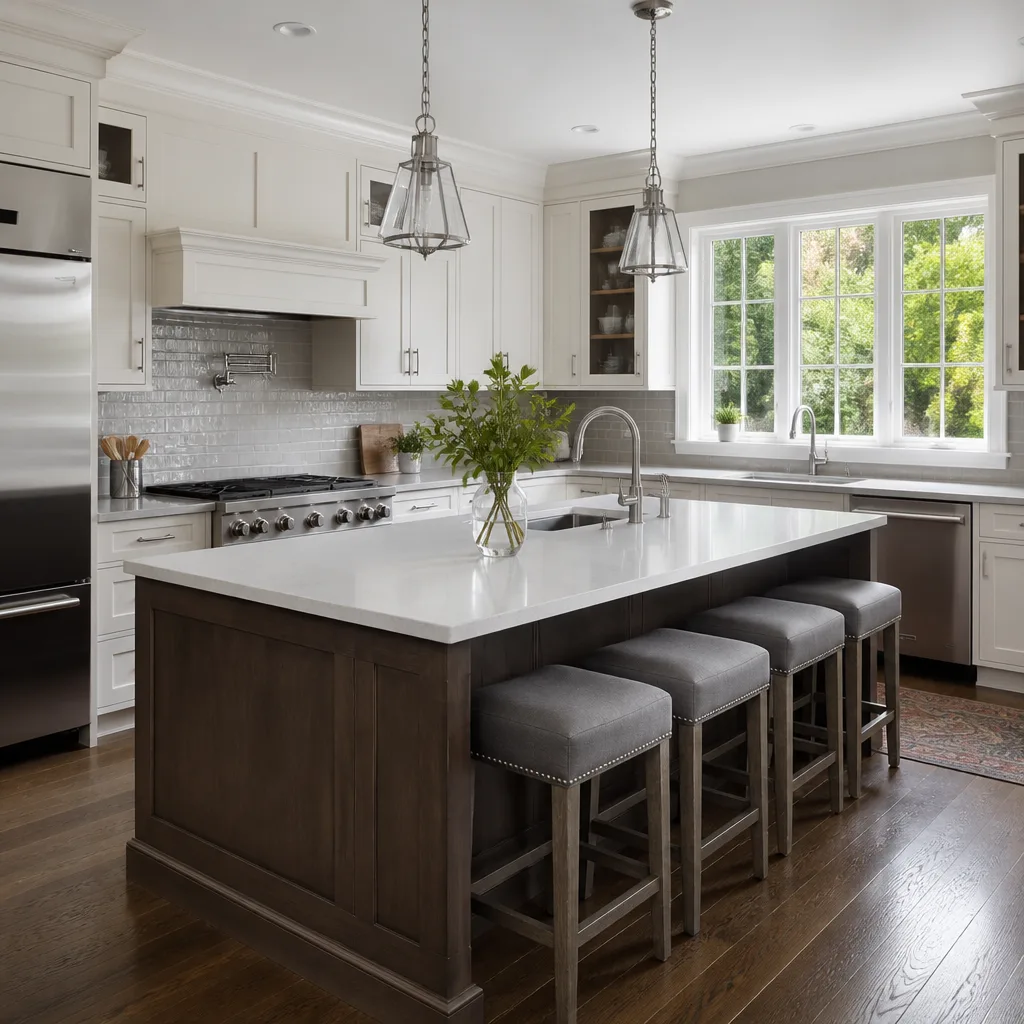 Kitchen remodeling
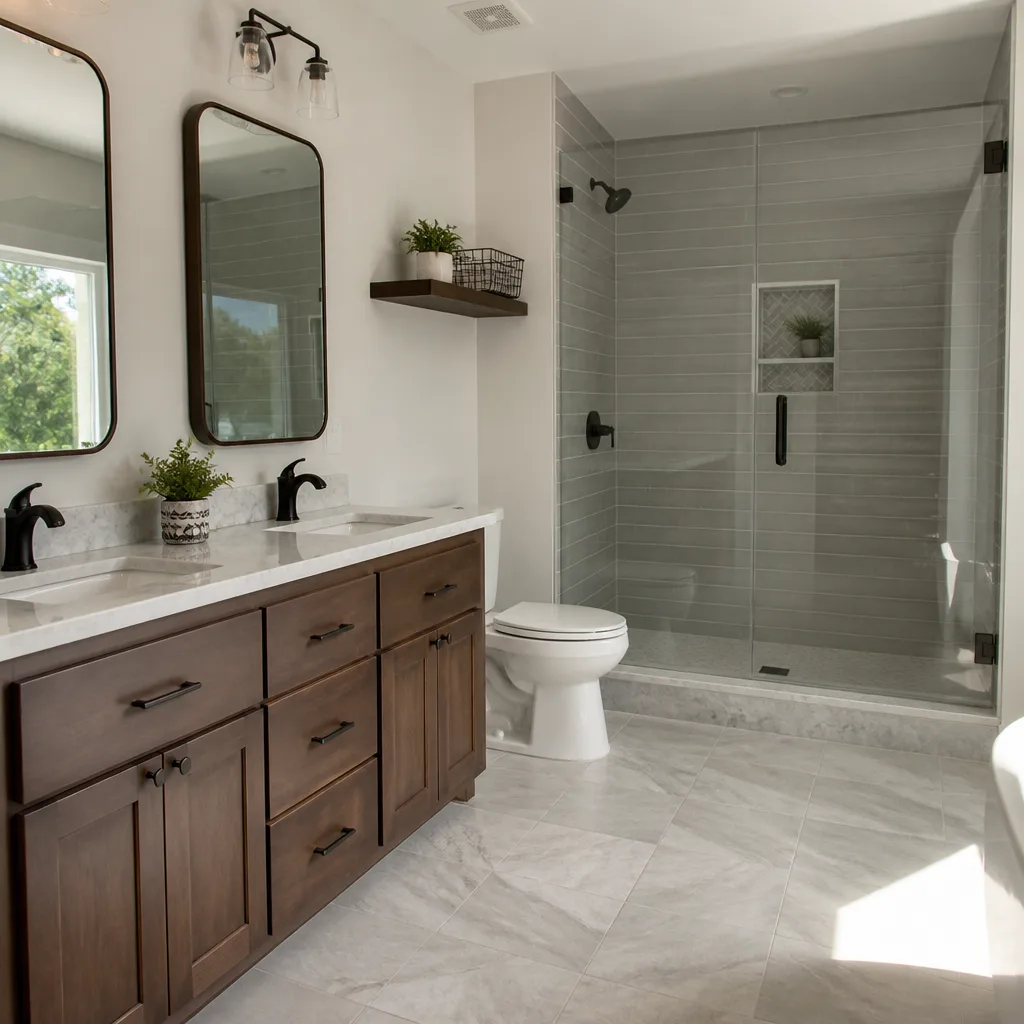 Bathroom remodeling
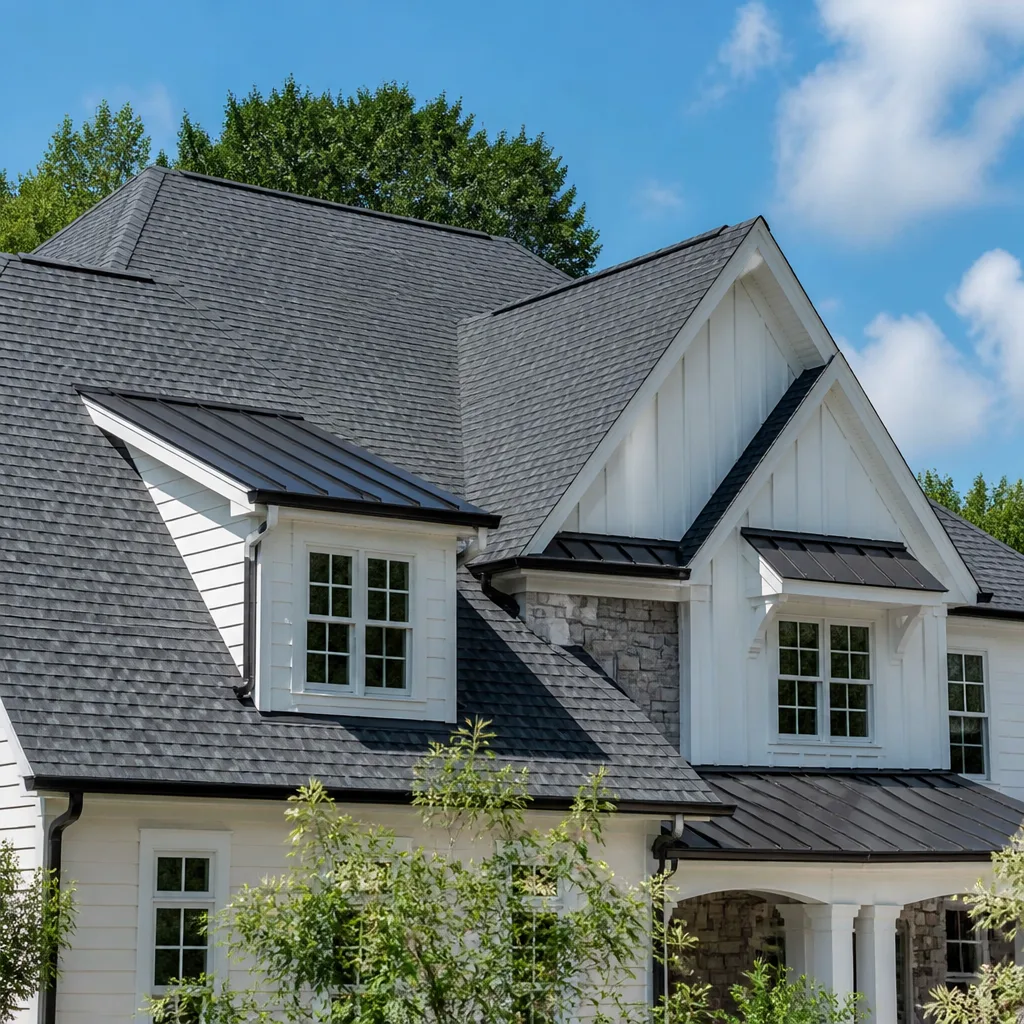 Roofing
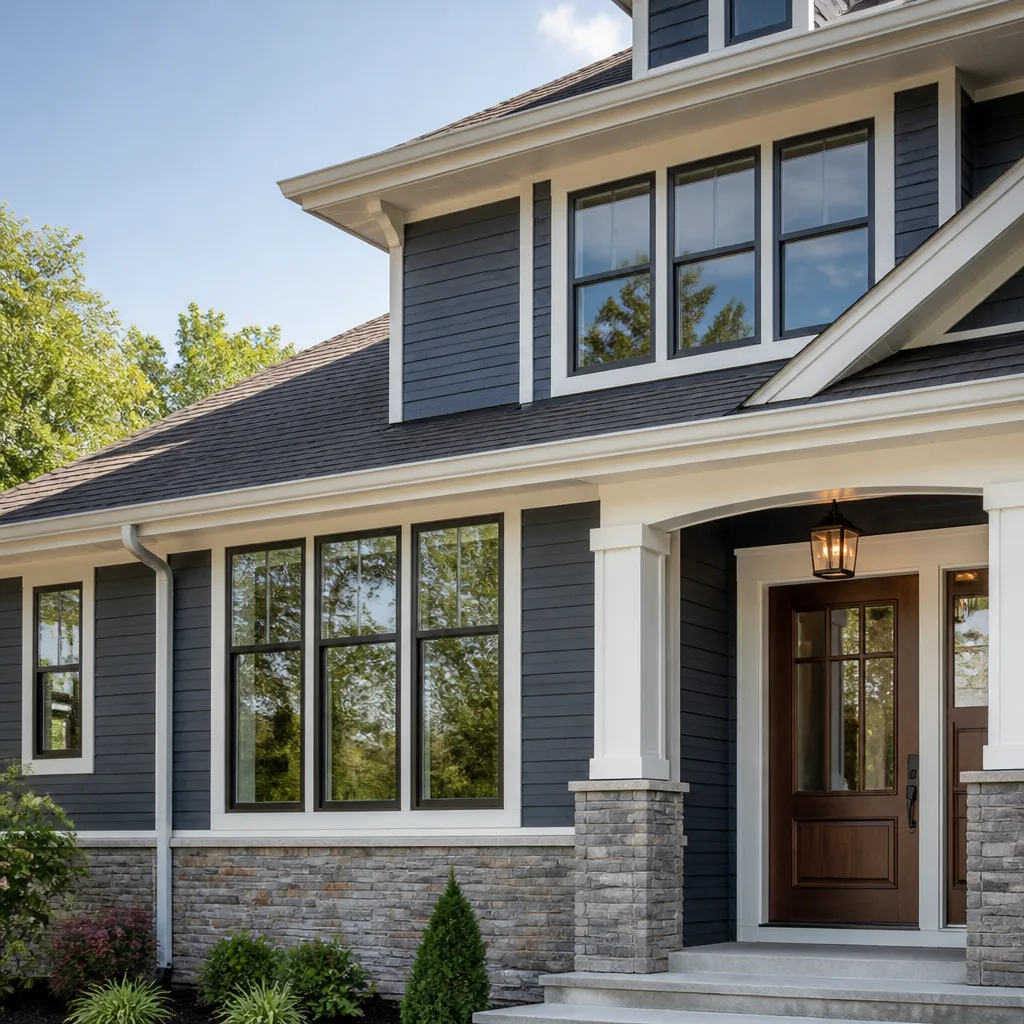 Windows & doors
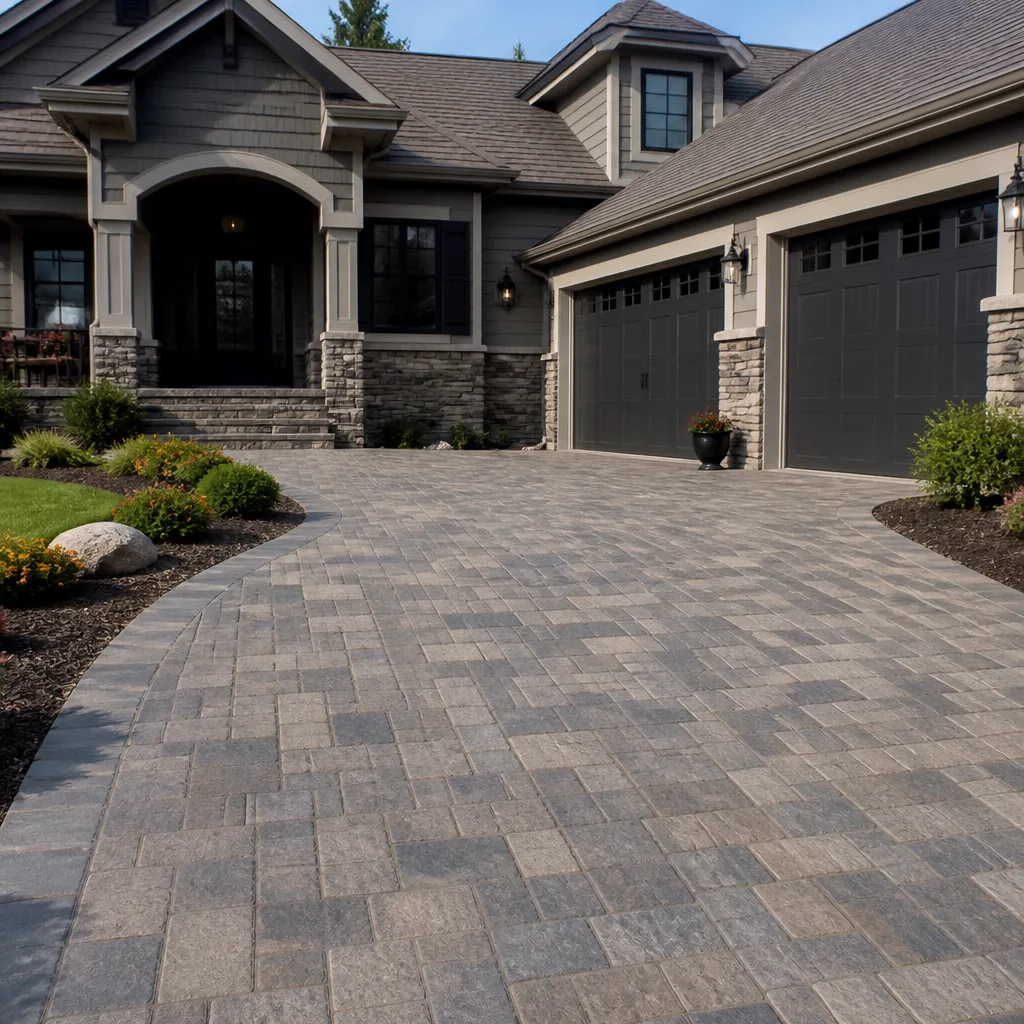 Driveway & pavers
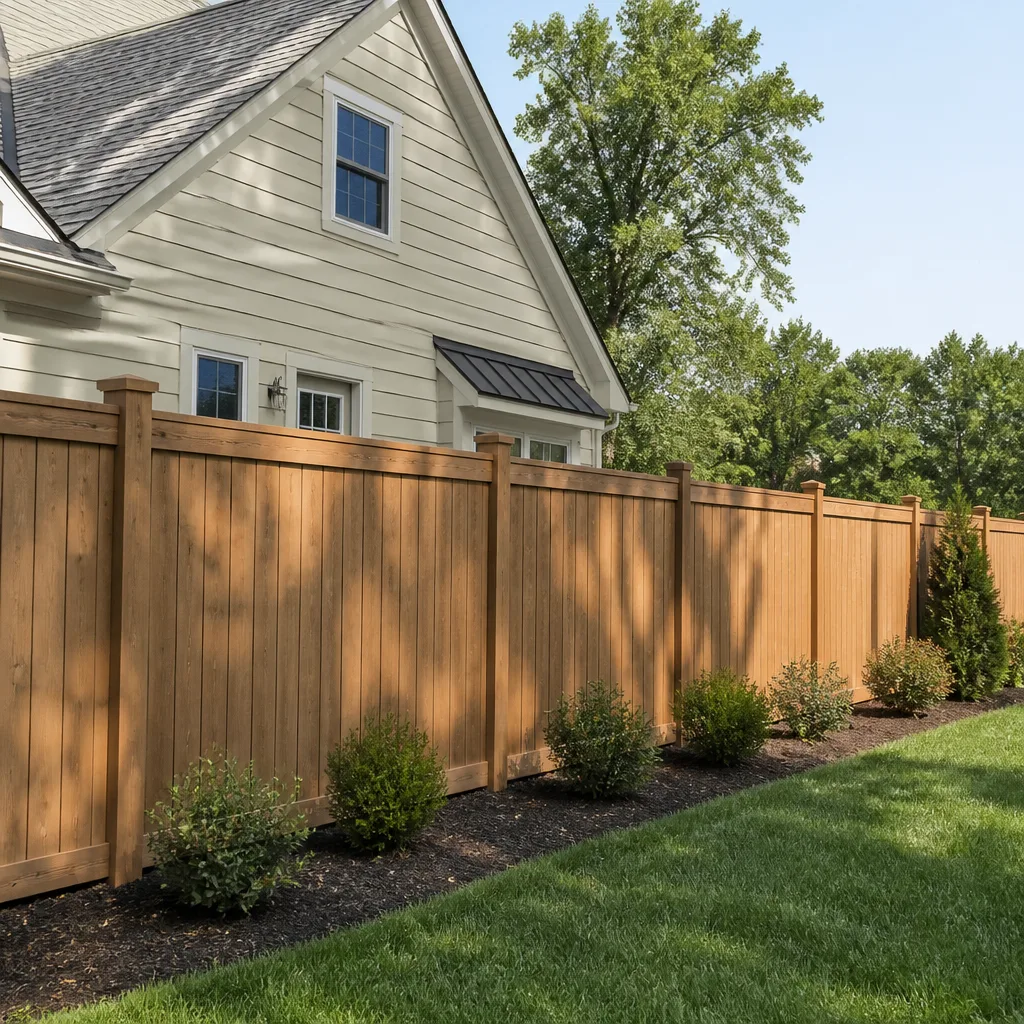 Fence
Free written scope consultation - allowances, timeline, and change-order rules on paper before a single trade is scheduled
Construction Cost Breakdown: The Corona Homeowner’s Reference for 2026
Every major cost guide you’ll find online quotes a national average for construction, then applies a fuzzy “California multiplier” and calls it done. That’s why those numbers fall apart the moment a Corona homeowner opens a real bid. Inland Empire labor markets price differently than coastal LA, Riverside County permit fees follow their own schedule, and material costs in Corona shift based on distribution routes through Ontario and Mira Loma rather than port proximity in Long Beach. This guide breaks down what construction actually costs in Corona in 2026, line by line, trade by trade, and hidden cost by hidden cost. You’ll finish it knowing exactly where your budget goes, where single-source general contracting saves real money, and where the averages get it wrong.
Styles & brands we work with
Quick Answer
Construction costs in Corona, CA in 2026 run $180 – $420 per square foot for full-scale remodels and additions, depending on scope, finish level, and site conditions. Permit fees for a typical kitchen or bath remodel range $1,500 – $4,500, while a full ADU build with utility connections and site work lands at $180,000 – $240,000. Labor in Corona runs 15 – 25% below LA County rates but 8 – 12% above the national benchmark, and material pricing tracks Inland Empire distribution rather than coastal supply chains.
Table of Contents
- Corona Labor Rates by Trade: What You’ll Actually Pay in 2026
- Inland Empire Material Logistics and What They Do to Pricing
- City of Corona Permit Fees: How the Math Actually Works
- ADU Construction Costs in Corona: The Real Numbers
- Where Single-Source Contracting Saves Money (and Where It Doesn’t)
- Hidden Cost Categories That Blow Corona Budgets
- Trade-by-Trade Cost Breakdown for Common Corona Projects
- Common Mistakes to Avoid
- When to Call a Professional
- Frequently Asked Questions
- The Bottom Line
Corona Labor Rates by Trade: What You’ll Actually Pay in 2026
Labor is the single largest cost category in any Corona construction project, and it’s also where national averages fail hardest. Corona draws its workforce from the same Inland Empire labor pool that serves Riverside, Ontario, Eastvale, and Norco. That means rates sit well below what contractors charge in Orange County or West LA, but above what you’d pay in Phoenix or Las Vegas. Here’s the trade-by-trade breakdown we see on active Corona projects in 2026:
- General contractor / project management: $65 – $110 per hour, or 15 – 20% of total project cost as a fee. Scope complexity in Corona, especially on hillside lots in neighborhoods like Eagle Glen or Sierra del Oro, pushes this toward the higher end.
- Framing carpenter: $55 – $85 per hour. Riverside County framing crews price competitively because multi-home developments in South Corona keep volume steady, but custom work on older homes near the Historic Grand Boulevard corridor runs higher due to retrofit complexity.
- Licensed electrician: $85 – $130 per hour. Corona’s mix of 1970s-1990s tract housing and newer South Corona builds means panel upgrades and re-wiring jobs vary widely per home.
- Licensed plumber: $80 – $125 per hour. Repipe work on older Corona homes, especially those with original galvanized supply lines, is common enough that local plumbers price it efficiently.
- Tile setter: $45 – $75 per hour. High-end shower work with Schluter waterproofing systems runs at the top of this range due to the technical installation those products demand.
- Drywall and finish: $40 – $60 per hour. Corona’s dry, warm climate speeds mud drying, which saves a day or two on most interior remodels compared to coastal humidity.
- Painter: $35 – $55 per hour. Interior repaints in Corona track national averages closely – this is the one trade where you won’t see much California premium.
- Roofing crew: $55 – $85 per hour per worker. Corona’s summer heat pushes most roof work to spring and fall, which means peak-season pricing in March through May.
- HVAC technician: $75 – $120 per hour. Corona’s summer temperatures routinely hit 100°F, so HVAC replacement is year-round demand and pricing reflects that.
- Landscape / hardscape installer: $45 – $70 per hour. Belgard and Techo-Bloc paver installation in Corona runs higher than national benchmarks because Inland Empire soil often requires additional base prep – decomposed granite and clay both shift.
Compare these to LA County, where electricians and plumbers routinely bill $100 – $150 per hour, and you’ll see why Corona homeowners should calibrate bids against the Inland Empire market, not the “California average” that gets dragged upward by coastal rates. The reverse is also true: if a Corona bid comes in at LA County pricing, the contractor is either not local or padding labor. Get a second bid if you see that pattern.
Inland Empire Material Logistics and What They Do to Pricing
Corona sits at a logistics crossroads that most cost guides ignore entirely. The city is 15 minutes from Ontario International Airport’s cargo sorting hub, 10 minutes from major distribution centers in Mira Loma and Jurupa Valley, and directly adjacent to the 15 Freeway corridor that feeds warehouse traffic from the Ports of LA and Long Beach. That geography changes what materials cost in Corona versus other California cities in ways that don’t show up in national averages.
Here’s what the logistics actually mean for specific material categories in 2026:
- Cabinetry: Stock and semi-custom lines from manufacturers like KraftMaid and Wellborn warehouse in the Inland Empire, which keeps lead times in Corona shorter than coastal cities. But custom and European frameless lines still route through coastal ports and carry the same 8-14 week timelines you’d see anywhere in Southern California.
- Countertops: Quartz and porcelain slab distributors cluster in Ontario and Chino, which means Cambria, Caesarstone, and Silestone materials reach Corona fabrication shops within days, not weeks. This shortens project schedules and reduces damage-in-transit costs that coastal fabricators build into their pricing.
- Roofing materials: GAF, CertainTeed, Owens Corning, and IKO all maintain Inland Empire distribution yards. Shingle pricing in Corona is among the lowest in the state for a metro market, because the materials never touch a port. Underlayment and flashing costs, however, track upward due to California Title 24 cool-roof requirements specific to this climate zone.
- Windows and doors: Impact-rated systems from PGT, CGI, and CWS are manufactured in Florida and route through Gulf Coast distribution before reaching the Inland Empire. That’s a longer supply chain than standard vinyl windows, and it shows up in both price and lead time. Corona homeowners specifying impact products for heat gain control or noise reduction should budget 6-10 weeks and a 15-25% premium over standard dual-pane.
- Lumber and framing materials: Inland Empire lumber yards source heavily from Pacific Northwest mills via rail, which keeps dimensional lumber pricing in Corona competitive. But the 2026 market has held framing lumber at elevated levels since the 2021 spike normalized, and we don’t see that changing. Budget framing materials at 20% above 2019 benchmarks, and don’t expect relief.
- Pavers and hardscaping: Belgard, Unilock, and Techo-Bloc products manufactured in the Midwest and Southeast cost more to land in Corona than they would in Phoenix or Dallas, but less than they cost in San Francisco. The local variable is base material. Corona’s clay-heavy soil means paver jobs often need an extra 2-3 inches of compacted aggregate base compared to sandy coastal soil, and that adds $3-$6 per square foot in materials you won’t see in an online paver cost calculator.
- Prefab and modular structures: This is where Inland Empire logistics get interesting. ADU manufacturers like Boxabl, Plant Prefab, and Dvele ship from factory locations in Nevada, Northern California, and other states. Corona’s freeway access makes delivery logistics simpler than infill LA lots, but you still need to budget crane rental for module placement, which runs $4,000-$8,000 per day depending on reach requirements and site conditions.
The takeaway: Corona’s proximity to distribution hubs keeps most material costs at or below California metro averages, but soil conditions, climate-zone code requirements, and specialty product supply chains add costs that generic guides omit. A contractor who prices from experience in Corona already knows this. One who prices from a national spreadsheet doesn’t, and the difference shows up in change orders.
City of Corona Permit Fees: How the Math Actually Works
Permit fees in Corona are not flat. They’re calculated from project valuation, which the City of Corona Building Division determines using construction type, square footage, and the specific scope of work. For a deeper look at what this process involves, see our Construction Permits, Codes & Inspections in CA: What You Need to Know. If a contractor quotes you a “flat permit fee,” that’s an estimate, not a real number. The final fee comes from the city’s valuation table, and it includes multiple line items beyond the building permit itself.
Here’s the step-by-step process the City of Corona actually uses:
- Plan check fee: Paid when plans are submitted. This is typically 65% of the eventual building permit fee and is non-refundable once review begins. Corona’s plan check turnaround for residential remodels in 2026 is running 2-4 weeks for standard scopes.
- Building permit fee: Calculated from project valuation. Corona’s fee schedule uses a valuation-based formula, meaning a $50,000 kitchen remodel and a $150,000 addition pay different fees even if the square footage is similar.
- Mechanical, electrical, plumbing (MEP) permits: Corona issues these separately for most remodels. An HVAC replacement, panel upgrade, or repipe each carries its own permit line item.
- Impact fees: New square footage, including ADUs, triggers city impact fees. These vary by project type and size, and Corona’s school district fees apply to additions that add bedrooms.
- Inspection fees: Each required inspection is scheduled separately, and some are already covered in the building permit fee. Additional or re-inspections carry their own cost.
For common Corona project types, here’s what homeowners should budget for total permit costs in 2026:
- Kitchen remodel (no structural changes): $1,500 – $2,800 total permit costs, mostly electrical and plumbing permits under Corona’s MEP fee structure.
- Bathroom remodel: $1,200 – $2,500, depending on whether you’re moving plumbing lines.
- Window or door replacement (like-for-like): $300 – $800. Corona allows same-size replacements with minimal plan review, but any opening enlargement triggers the full plan check path.
- Roof replacement (like-for-like materials): $400 – $900. Corona’s reroof process is streamlined, but a roof requiring Title 24 cool-roof documentation may need additional energy review.
- Room addition (400-600 sq ft): $3,000 – $7,000 before impact fees. Impact fees add $5,000 – $15,000 depending on school district calculations and bedroom count.
- Full ADU (detached, 800-1,200 sq ft): $6,000 – $12,000 total permit and impact fee load, though Corona’s ADU streamlining under state law reduces plan check scope compared to custom additions.
Every city in Riverside County calculates these differently. Corona’s fees are generally lower than those in Orange County cities and comparable to Riverside or Eastvale. This matters because a General Contractor in Anaheim pricing a Corona job will often carry Anaheim permit assumptions into the bid, and that’s an error you’ll pay for. Local permit knowledge is worth real money on your bottom line.
ADU Construction Costs in Corona: The Real Numbers
The national average cost to build an ADU is cited at $150,000. That number is fiction for Corona in 2026. We regularly see completed, permitted detached ADUs in Corona close out between $180,000 and $240,000, and the gap is explained by factors the averages don’t disclose.
Here’s the cost stack on a typical 800-square-foot detached ADU in a Corona neighborhood like Chase Ranch or Sycamore Creek:
- Site preparation and foundation: $35,000 – $55,000. Corona’s soil mix and the fact that many larger lots sit on sloped terrain add excavation, retaining, and grading costs that flat national averages don’t model. A lot that requires significant grading or retaining will push this higher.
- Module or framing costs: $70,000 – $110,000 for framed builds, or $80,000 – $130,000 for prefab modules from manufacturers like Boxabl or Plant Prefab. Prefab saves schedule time but doesn’t necessarily save total cost in Corona, because site work, utility connections, and crane logistics remain identical.
- Utility connections: $15,000 – $30,000. This is the category that surprises homeowners. Corona requires separate utility laterals or upgraded service panels for many ADUs, and if your existing electrical panel lacks capacity, a 200-amp upgrade runs $3,500 – $6,000 on top of the ADU electrical work. Sewer line extensions on Corona lots with deep setbacks are another common five-figure surprise.
- Permits and impact fees: $6,000 – $12,000, as covered in the previous section.
- Finishes and fixtures: $25,000 – $45,000 for mid-range quality. This is where single-source contracting shows its value: specifying cabinetry, countertops, and plumbing fixtures from one project team instead of three separate vendors eliminates the markup stacking that happens when each trade quotes independently.
- Contractor overhead and margin: 15 – 20% of total cost. This is standard and should be transparent on the bid.
Why is Corona more expensive than the national average? Three reasons. First, California Title 24 energy compliance adds solar-ready electrical and higher insulation standards that most states don’t require. Second, Riverside County labor sits above the national benchmark even at Inland Empire rates. Third, Corona’s mix of established neighborhoods and hillside lots means many ADU sites need more preparation than a flat suburban lot in Texas or Arizona.
For homeowners considering ADU-capable contractors, the value in working with a team that has managed prefab and modular ADUs through Dvele, Mighty Buildings, or Abodu is that the site work, utility coordination, and factory delivery sequencing are handled by one accountable team. We’ve seen multi-contractor ADU projects in Corona stall for weeks when the site crew and the module delivery team point fingers at each other. That handoff gap is exactly what single-source management eliminates. Your home is too important to coordinate five different contractors.
Where Single-Source Contracting Saves Money (and Where It Doesn’t)
Any honest breakdown has to acknowledge that a single-source general contractor is not automatically cheaper than hiring specialty contractors directly on every trade. There are project types where the general contractor model produces clear, measurable savings, and there are scopes where you’ll pay a premium for the coordination. Here’s the honest version, based on Corona project economics in 2026.
Where single-source GC saves money:
- Multi-trade remodels (kitchen + bath + flooring): A $150,000 interior remodel that touches electrical, plumbing, drywall, tile, cabinetry, and countertops saves 8 – 12% in total cost when one GC manages the full sequence. The savings come from eliminated rework (two trades blaming each other for a mistake), reduced schedule waste, and single-point markup instead of stacked contractor markups.
- ADU and addition projects: The single biggest hidden cost on ADUs is schedule delay between site work and structure delivery. A single team managing excavation, utility rough-in, crane scheduling, and finish trades avoids the 3-6 week gaps that happen when a homeowner tries to sequence these trades themselves. Every week of idle project time in Corona carries holding costs (interest, insurance, opportunity cost) of $300 – $800 on a $200,000 project.
- Roof + solar + electrical work: When roof replacement, panel upgrade, and new wiring happen together, one project manager handles the sequencing and the inspections. Doing these separately through different contractors creates re-inspection fees and the kind of finger-pointing that leaves a roof open during Corona’s rare but real winter rain.
- Material specification across trades: A single-source GC with access to 50+ manufacturer brands can specify cabinetry from KraftMaid, countertops from Cambria, and plumbing fixtures from Kohler or Toto under one design intent. The alternative, where a homeowner buys materials from three showrooms and coordinates three different installers, creates exactly the kind of misalignment that generates change orders.
Where specialty contractors stay cost-competitive:
- Single-trade scopes: If you’re only replacing a roof, a reputable local roofing company will often beat a GC’s roofline price because they’re not carrying project management overhead for one trade. This is true in Corona and everywhere else.
- Simple flooring replacement: A flooring-only project with no subfloor work or trim changes doesn’t need a GC. Buy the material, hire the installer, done.
- Paint-only scopes: Interior repainting in Corona is a straightforward job. A painting contractor will price it competitively without the GC layer.
The pattern is clear: the more trades your project touches, the more single-source management saves you. The fewer trades, the more you might save going direct. Corona homeowners planning a full Home Remodeling in Anaheim scale project (kitchen, bath, flooring, lighting) should calculate projected costs both ways, but in our experience, multi-trade remodels under $80,000 rarely pencil out cheaper when DIY-coordinated, and the schedule risk and communication overhead are real. For a full Home Renovation in Anaheim scope covering multiple systems, one accountable team is the difference between a four-month project and a seven-month project.
Hidden Cost Categories That Blow Corona Budgets
Every construction project has costs that don’t appear on the initial estimate. Some are legitimate discoveries once walls open. Others are the result of incomplete planning. Here are the five categories that consistently surprise Corona homeowners. For help spotting trouble before it starts, check our Construction Warning Signs: A Corona Homeowner’s Reference Guide.
- Site condition discovery. Corona’s older neighborhoods, particularly the areas along Main Street and the Historic Grand Boulevard corridor, include homes built from 1900 through the 1950s. When a remodel opens a wall or floor, we find termite damage, outdated wiring, non-permitted prior work, or foundation settlement. Budget 5 – 10% of total project cost as a contingency for these discoveries on older Corona homes, and 3 – 5% on newer South Corona builds.
- Utility upgrade requirements. Southern California Edison and Corona’s Department of Water and Power both have service upgrade requirements that trigger on many remodels. Adding a kitchen with electric appliances, an EV charger, or an ADU can require a panel upgrade from 100A to 200A, which runs $3,500 – $6,000. Some Corona neighborhoods with underground utilities add trenching costs of $2,000 – $5,000. No national average includes these.
- Design revision cycles. Most homeowner-driven projects go through 2 – 3 design revisions before plans are finalized. Each revision cycle that happens after permits are pulled costs time and money in re-permitting and re-sequencing. The cheapest way to avoid this is to finalize material selections and layout decisions before the permit application, not after. This is where a contractor who manages the entire design-to-install process keeps you from bleeding money on change orders.
- Title 24 energy compliance upgrades. Corona’s climate zone 10 requirements mean that any project touching exterior walls, windows, or roofing can trigger energy compliance work beyond the visible scope. Attic insulation upgrades, cool-roof materials, and high-efficiency glazing on new windows are the three most common add-ons. Budget an extra $2,000 – $8,000 on any project that touches the building envelope.
- Construction waste and debris removal. Corona requires permitted hauling for construction debris, and landfill fees in Riverside County have risen steadily. A full kitchen gut generates 3 – 6 tons of debris, which costs $800 – $2,000 in hauling and dumping fees alone. Contractors who don’t line-item this are hiding it in a lump sum, which makes comparison shopping harder.
The pattern across all five categories is the same: costs that are invisible on a bid spreadsheet but real on the ground in Corona. A contractor who has built in Corona’s specific housing stock and has navigated the city’s permit process knows to budget for these upfront. One who hasn’t discovers them after the contract is signed.
Trade-by-Trade Cost Breakdown for Common Corona Projects
Here’s what different project types actually cost in Corona in 2026, broken into the trade categories that make up each scope. These ranges reflect mid-grade material selections and licensed, insured trade labor at Inland Empire rates.
Kitchen Remodel (200 – 300 sq ft, full gut):
- Demolition and hauling: $3,000 – $6,000
- Electrical (lighting, outlets, dedicated circuits): $4,000 – $8,000
- Plumbing (sink supply, appliance lines, possible drain relocation): $3,500 – $7,000
- Drywall and texture: $2,500 – $5,000
- Flooring (tile or LVP over 200 – 300 sq ft): $3,500 – $7,500
- Cabinetry (semi-custom, KraftMaid or equivalent): $12,000 – $25,000
- Countertops (Cambria, Caesarstone, or quartz slab, 50 – 65 sq ft): $4,500 – $9,000
- Tile backsplash and installation: $2,000 – $4,000
- Paint: $1,500 – $3,000
- Permit: $1,500 – $2,800
Total mid-range kitchen remodel in Corona: $38,000 – $77,300. Entry-level materials bring the floor to about $30,000; full custom with luxury brands pushes past $100,000.
Bathroom Remodel (50 – 120 sq ft):
- Demolition and hauling: $1,500 – $3,000
- Plumbing (shower valve, drain work, toilet reset): $3,000 – $6,000
- Electrical (GFCI, lighting, exhaust fan): $1,500 – $3,500
- Waterproofing and shower pan (Schluter system): $2,500 – $5,000
- Tile installation (shower and floor): $4,000 – $9,000
- Vanity and fixtures (Kohler, Moen, or Toto): $2,500 – $6,000
- Glass shower enclosure: $1,800 – $4,500
- Paint: $800 – $1,500
- Permit: $1,200 – $2,500
Total mid-range bathroom remodel in Corona: $17,800 – $41,000. This tracks maybe 15% below what the same job costs in Irvine or Newport Beach, where labor and showroom markups run higher.
Roof Replacement (1,800 – 2,400 sq ft home):
- Tear-off and disposal: $4,000 – $7,000
- Roofing material (GAF, CertainTeed, or Owens Corning architectural shingles): $6,000 – $11,000
- Underlayment, flashing, and ventilation (Title 24 compliant): $2,500 – $5,000
- Labor (4 – 5 person crew, 2 – 3 days): $7,000 – $13,000
- Permit: $400 – $900
Total composite shingle roof replacement in Corona: $19,900 – $36,900. Tile or metal roofs run higher, from $35,000 – $65,000 depending on material and structural reinforcement required.
Gold Star Contractors home maintains active roofing partnerships with all major certified shingle manufacturers, which means material availability and manufacturer-backed installation standards are built into the process rather than negotiated per job. That’s the difference between a roof that meets manufacturer specs and one that just looks like it does.
Common Mistakes to Avoid
- Pricing Corona projects from national averages. The $150,000 ADU number or the “$75 per square foot remodel” figure you saw on a national site won’t match reality here. Corona sits in a specific labor market with specific permit fees and specific soil conditions. Price from Inland Empire benchmarks, not coastal California or national medians.
- Bidding without a contingency line. Corona’s older housing stock guarantees discovery work. A contract with no stated contingency forces every surprise into a change order negotiation, and that’s where projects go sideways. Insist on a transparent 5 – 10% contingency line.
- Selecting materials after permits are pulled. This is the single most expensive scheduling error we see. Material availability varies by brand and product line, and lead times in 2026 still haven’t fully normalized for custom and specialty items. Lock selections before plan review, not after.
- Ignoring the permit fee calculation path. A flat permit estimate isn’t a permit fee. Corona’s valuation-based system means your final fee depends on what the city values the project at, not what your contractor guessed. Ask for the permit fee line item to be shown as a range tied to project valuation.
- Comparing bids by total price alone. A lower bid that omits the utility upgrade, the Title 24 compliance work, or the debris hauling isn’t lower. It’s incomplete. Line-item comparison across at least three Corona bids reveals whether a contractor is pricing reality or pricing to win.
- Skipping structural evaluation on older Corona homes. Homes along Grand Boulevard and Main Street often show deferred maintenance once walls open. A pre-purchase or pre-remodel structural inspection catches foundation and framing issues before they become five-figure change orders.
- Hiring specialty contractors separately for multi-trade scopes. We covered this in detail above, but it bears repeating: sequencing five separate trades through a Corona remodel adds schedule risk, accountability gaps, and markup stacking. The threshold for GC value is around $80,000 in multi-trade scope.
When to Call a Professional
This guide gives you the numbers, but no guide replaces a licensed contractor’s site-specific evaluation. Browse more guides & resources for additional project planning help. Call a professional when your project touches structural elements, electrical systems, gas lines, or any scope requiring a permit, which in Corona covers most work beyond cosmetic paint and flooring. Call when you’re planning an ADU, any room addition, a full kitchen or bath gut, or a roof replacement. These scopes involve code compliance, load calculations, and trade sequencing where a mistake costs multiples of what it costs to hire the right team the first time. Gold Star Contractors offers free estimates in Corona. We’ll walk your project scope, pull real permit numbers, and give you a line-item breakdown before you commit to anything. Call (833) 382-8544.
Frequently Asked Questions
A mid-range full kitchen remodel in Corona runs $38,000 – $77,300, with entry-level scopes starting around $30,000 and luxury custom work exceeding $100,000. The range depends on cabinetry grade, countertop material, whether you move plumbing or electrical, and the age of your home. Older Corona homes near the Historic Grand Boulevard corridor tend to run higher on discovery work. Call (833) 382-8544 for a free estimate with a line-item scope.
Additions in Corona run $220 – $400 per square foot for finished space in 2026, including permits, site work, and utility connections. The range is driven by foundation type (slab versus raised), roof complexity, and whether the addition requires a panel upgrade. Budget an additional $5,000 – $15,000 in impact fees for any addition that adds bedrooms to the property. Call (833) 382-8544 for an exact quote – estimates are free.
A full interior renovation of a 2,000 – 2,500 square foot Corona home takes 3 – 6 months from plan approval to final inspection. Single-trade projects like a roof replacement finish in 2 – 5 days, while ADUs run 6 – 12 months depending on prefab versus site-built construction and utility connection timing. Permitting adds 2 – 4 weeks for most Corona remodels.
Yes, if you’re changing plumbing locations, moving electrical circuits, or altering any load-bearing elements. A like-for-like fixture replacement with no plan changes may qualify for a simple MEP permit. The City of Corona’s plan check process for bathroom remodels typically runs 2 – 3 weeks. Working without a permit creates disclosure issues when you sell the home and can complicate insurance claims.
Site preparation and utility connections are usually the highest-cost categories that homeowners don’t anticipate. Expect $35,000 – $55,000 for site work on typical Corona lots and $15,000 – $30,000 for utility laterals and panel upgrades. These two categories combined often exceed the cost of the structure itself on sloped Corona lots. Call (833) 382-8544 for a site-specific ADU estimate.
It shouldn’t, if your contract includes a transparent contingency line of 5 – 10% specifically for discovery work. Change orders should only occur when you change the scope or when the contractor discloses a legitimate discovery that wasn’t visible at bid time. Insist on written change orders with pricing before any additional work proceeds. A contractor who refuses to document changes is one to walk away from.
The Bottom Line
Construction in Corona in 2026 costs more than national averages and less than coastal California prices, and the differences come down to local labor, local permit math, and local site conditions. A homeowner who prices a project from Inland Empire benchmarks, budgets for discovery, and selects a contractor who already knows Corona’s housing stock and permit process will avoid the budget blowouts that come from generic planning. For emergency-ready planning, review our Construction Emergency Preparedness Guide for Corona Homes. The most important decision you’ll make is not which materials to pick but which team manages the whole sequence. One contractor. Every system. No handoff gaps. That’s the difference between a project that closes on budget and one that doesn’t.
Written by the team at Gold Star Contractors, serving Corona since 2012.
See the difference
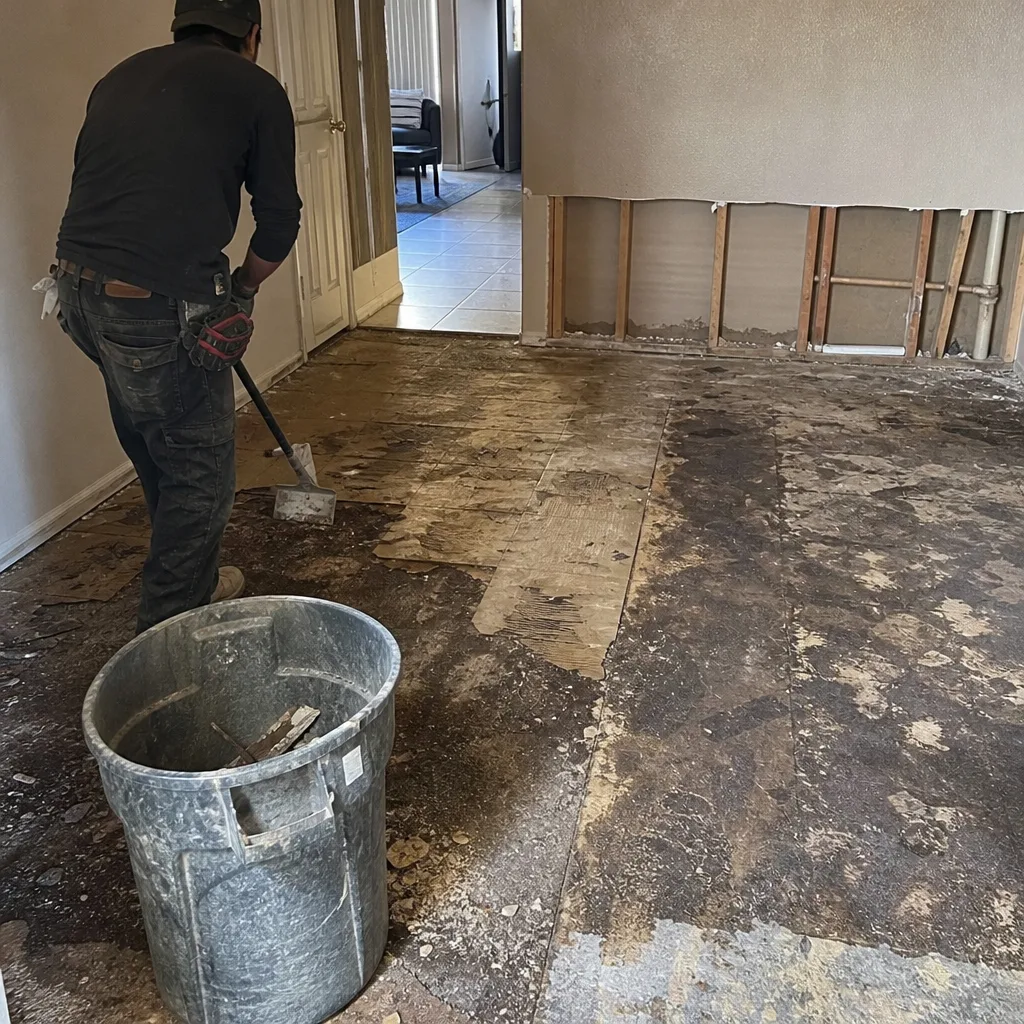 Before
 After
 Before
 After
 Before
 After