
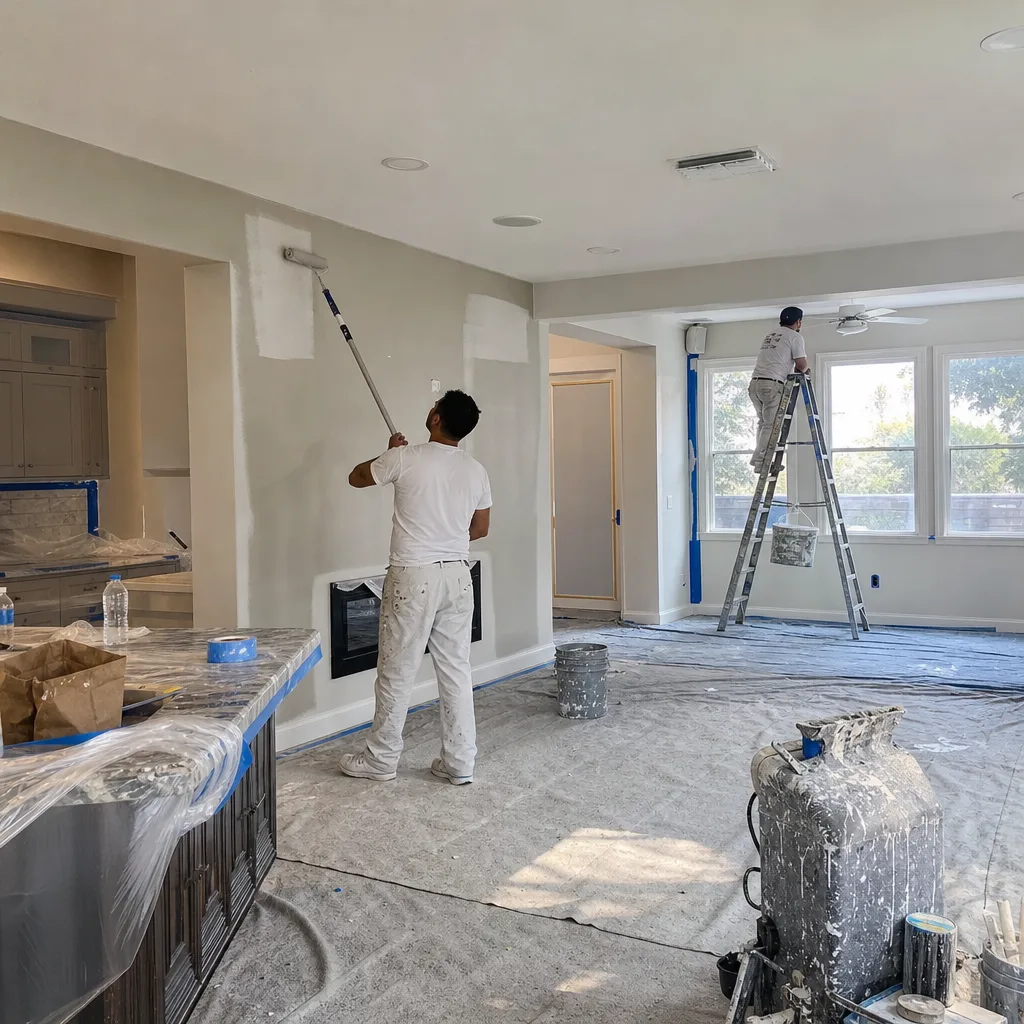
Last updated October 31, 2026
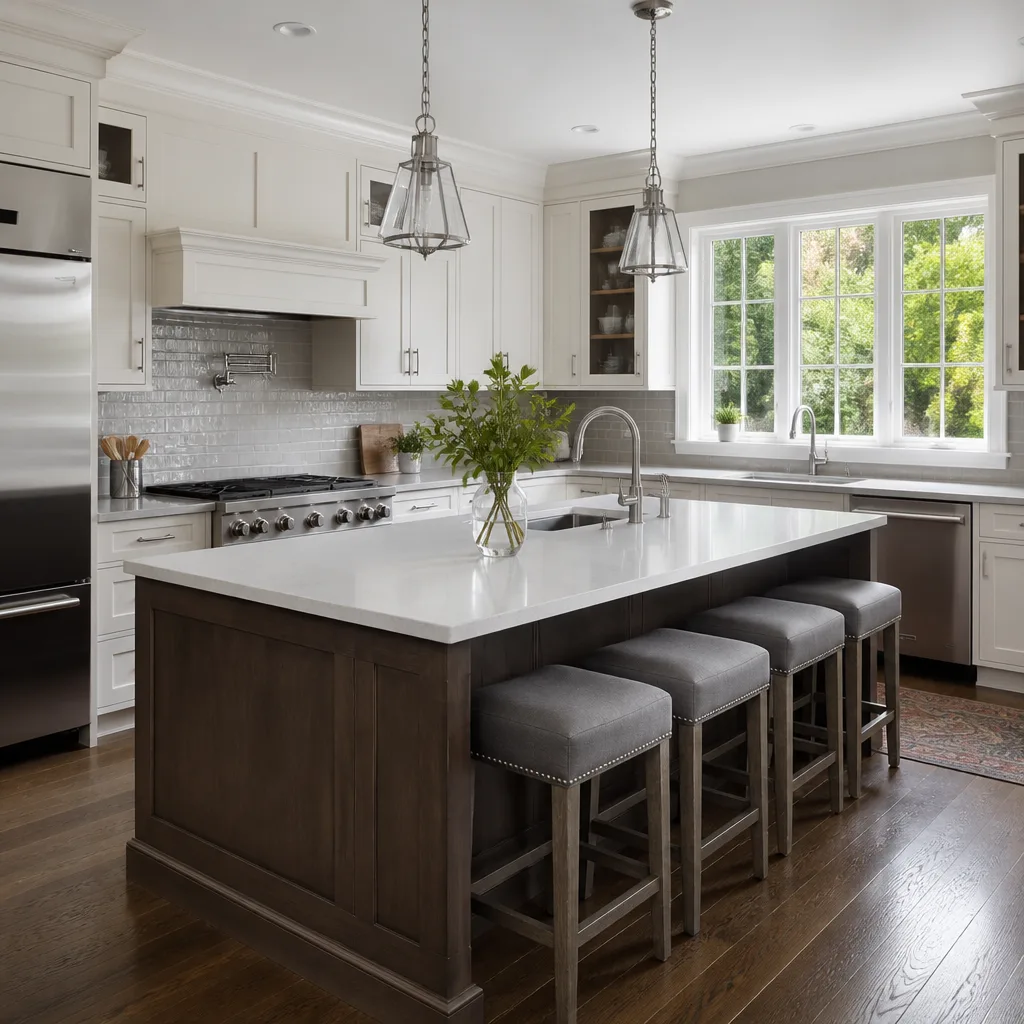 Kitchen remodeling
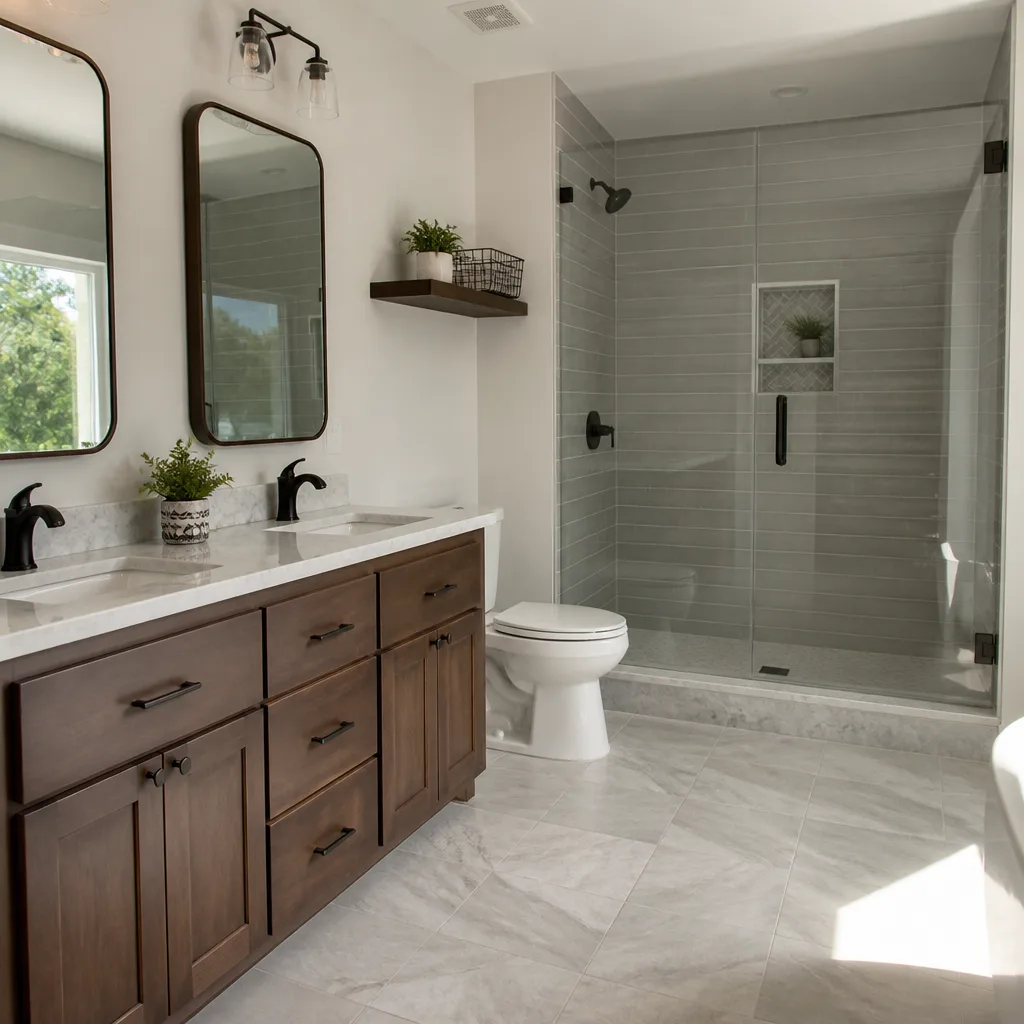 Bathroom remodeling
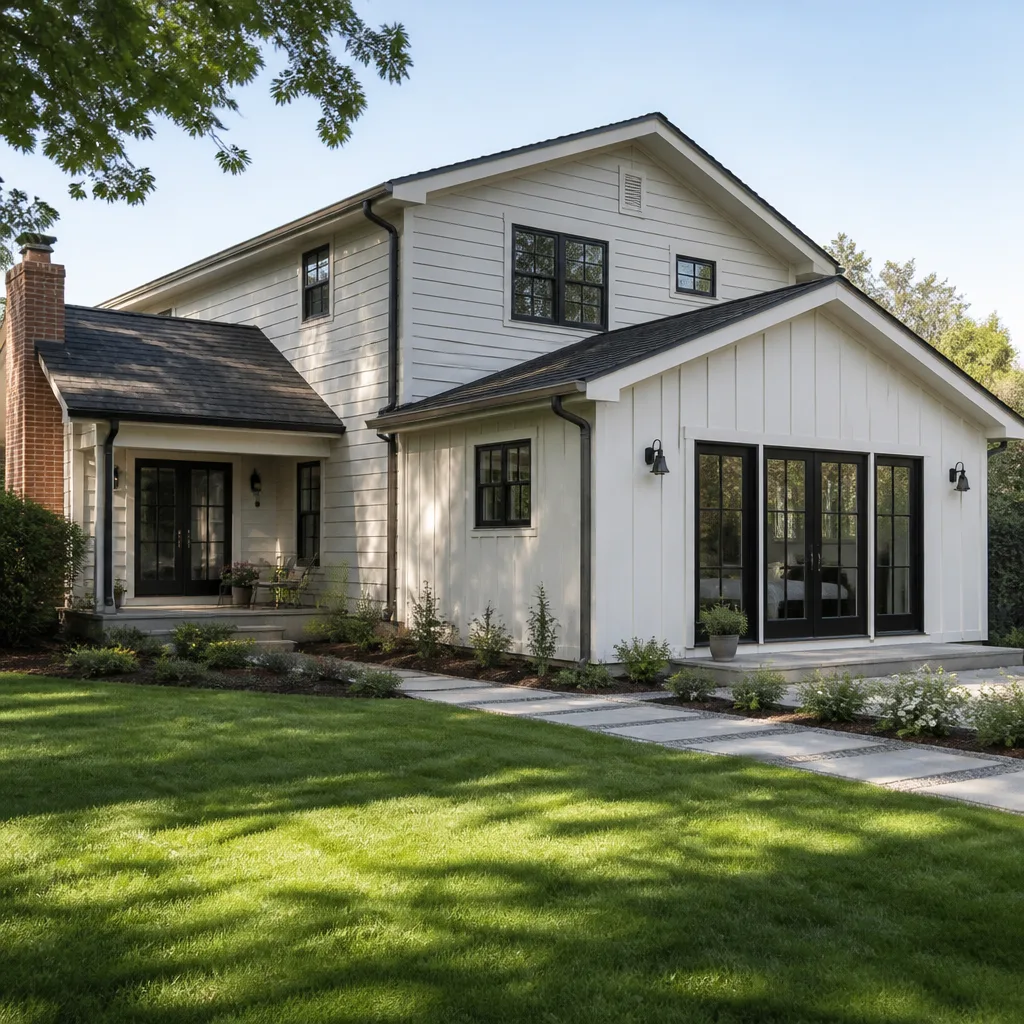 Home additions & ADU
 Roofing
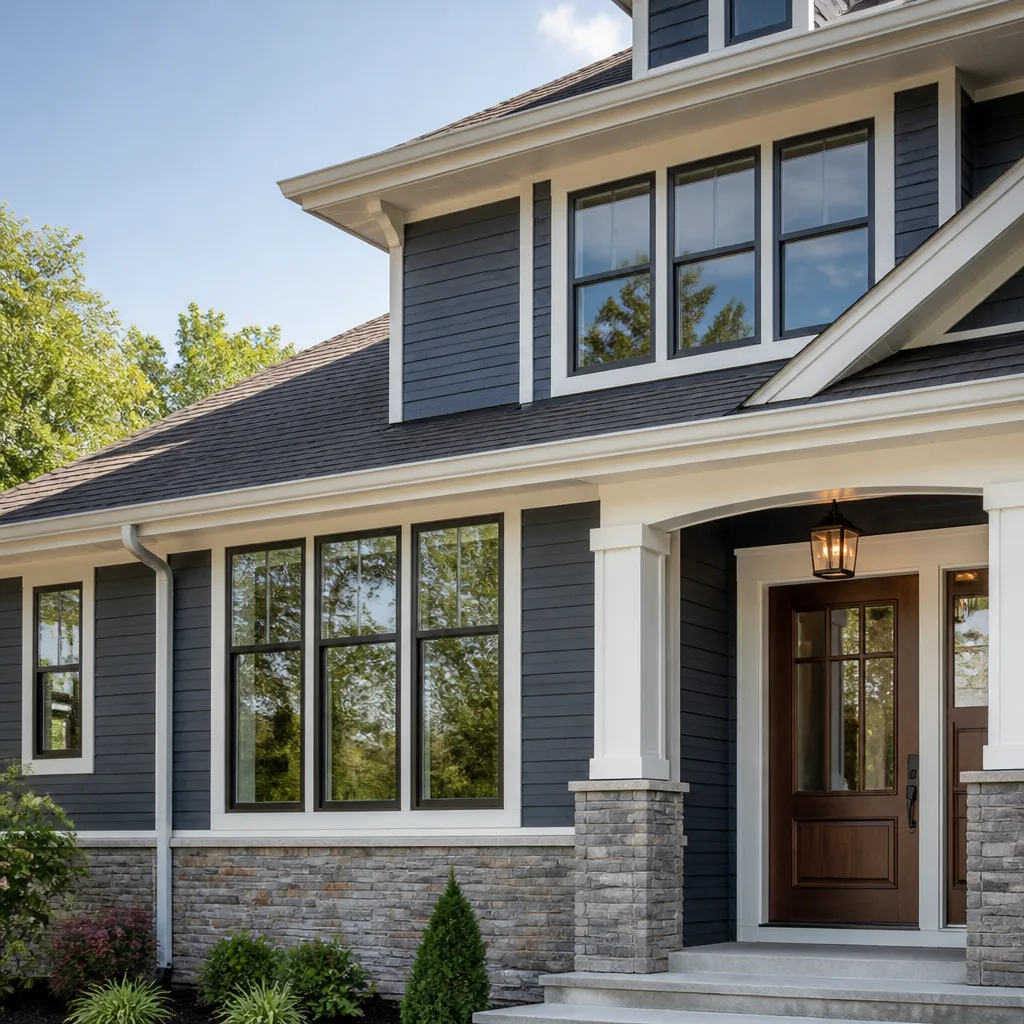 Windows & doors
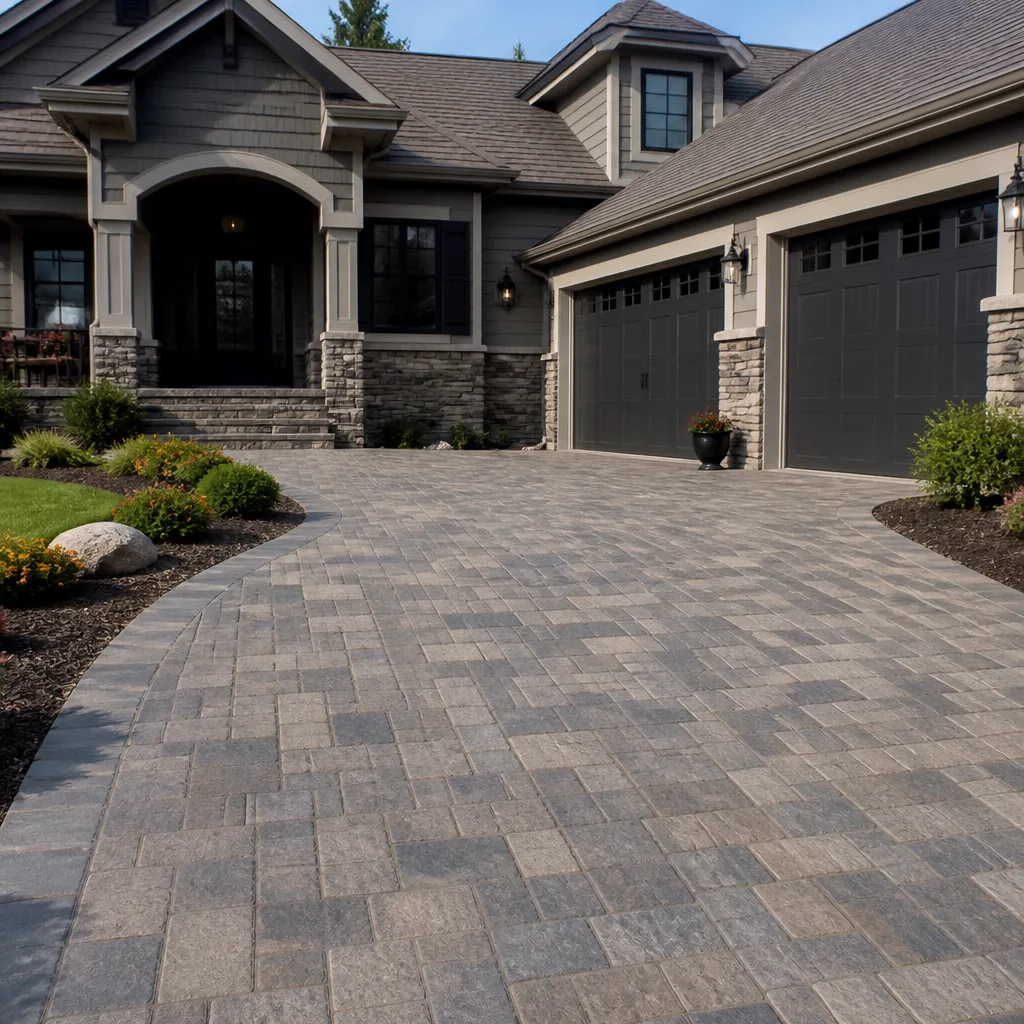 Driveway & pavers
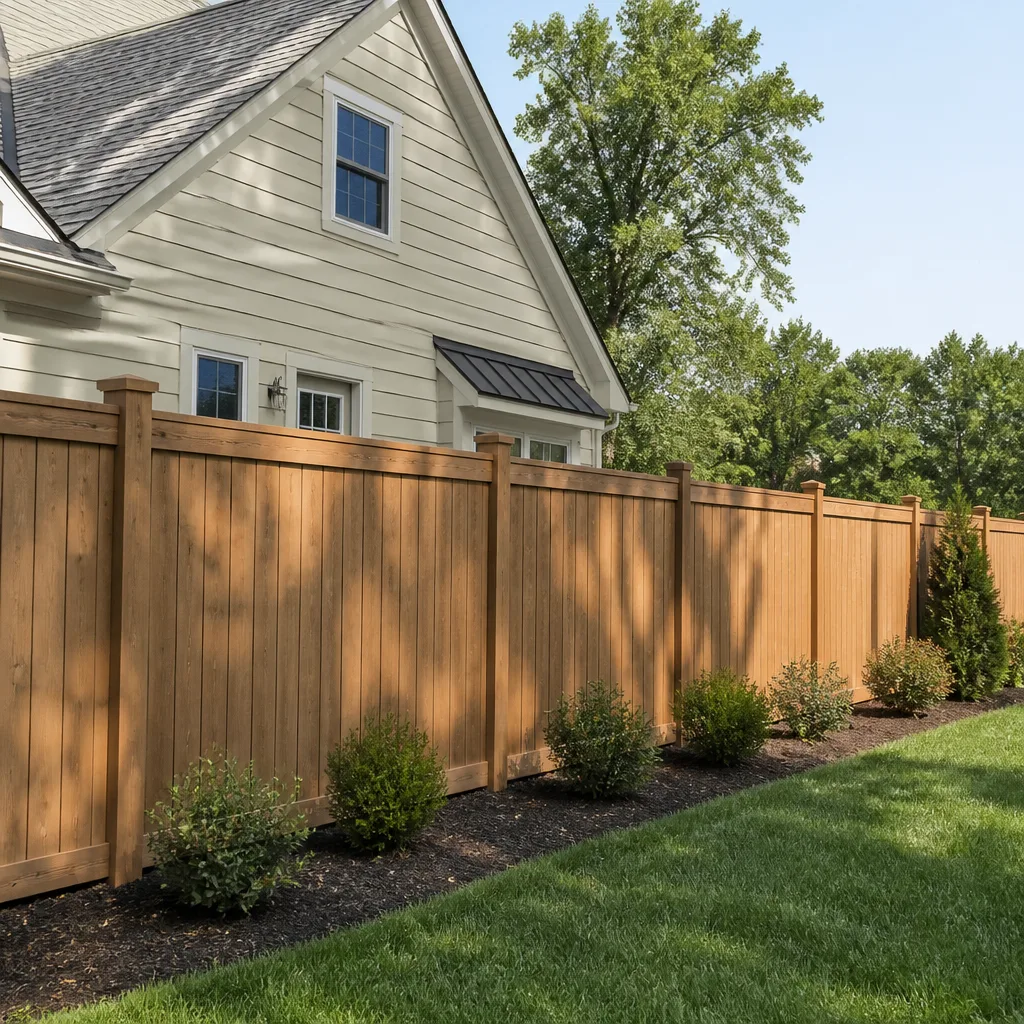 Fence
Free written scope consultation - allowances, timeline, and change-order rules on paper before a single trade is scheduled
The Complete Guide to Construction in Corona
Corona issued more than 1,200 residential building permits in a single recent year. That number tells you something most homeowners never hear: the biggest variable in your remodel is not lumber prices or labor rates. It is the queue at the city’s building department and the availability calendar of the contractors who know how to navigate it. Timing your project around Corona’s permitting backlog and seasonal contractor windows can save you months of waiting and thousands of dollars in bid inflation. This guide maps that landscape so you can plan with the precision of someone who has been through it a hundred times, and you can find more guides & resources to support your project.
Styles & brands we work with
Quick Answer
Construction in Corona moves on a two-speed track: projects that enter the permit pipeline during slower city-review periods and hire a single general contractor to coordinate all trades typically finish faster and cost 10-15% less than projects scheduled during peak season with fragmented subcontractor teams. The key is understanding Corona’s jurisdiction within Riverside County, its surging ADU and room-addition demand, and the specific seasonal windows when both city reviewers and contractor crews have capacity. For a detailed look at pricing, see our Construction Cost Breakdown: The Corona Homeowner’s Reference for 2026.
Table of Contents
- How the Corona Construction Market Actually Works
- Permitting and Jurisdiction in Corona: What Trips People Up
- The Corona Seasonal Window: When Bids Drop 10-15%
- Which Projects Are Surging in Corona and What That Means for You
- The Case for a Single General Contractor in a Subcontractor-Tight Market
- The Corona Project Sequence: First Call to Final Inspection
- How to Shop Materials Without Losing Months
- Common Mistakes to Avoid
- When to Call a Professional
- Frequently Asked Questions
- The Bottom Line
How the Corona Construction Market Actually Works
Corona sits in a strange spot. It is a Riverside County city, but it borders Orange County to the southwest and San Bernardino County to the north. That position shapes everything about its construction market, from the contractors who bid on work here to the building codes that govern your project. A contractor who does most of their work in Orange County might quote a Corona job without realizing the city’s plan-check process requires different submittal formats or additional structural details for hillside lots. A contractor based in San Bernardino might not be familiar with Corona’s specific fire-hardening requirements for properties in the wildland-urban interface zones along the Santa Ana Mountains.
In our experience, homeowners get the best results when they work with a team that is genuinely familiar with Corona’s building department workflow. That familiarity is not a formality. It determines whether your plans sit in plan check for three weeks or nine weeks. It determines whether your inspector flags items that were never going to pass, regardless of which contractor filed the paperwork. The market is competitive, but it is also surprisingly fragmented: plenty of solo operators and trade-specific crews bid Corona work, yet few coordinate the full scope from roof to foundation to ADU in the backyard. That fragmentation is exactly what creates the timeline drag that catches so many homeowners off guard.
Permitting and Jurisdiction in Corona: What Trips People Up
Corona is entirely within Riverside County, but the City of Corona runs its own building and safety division. That means your project does not go through the county. It goes through the city, which has its own plan review process, its own inspector pool, and its own administrative quirks. Many contractors assume a Riverside County permit will suffice, and they find out mid-project that the city requires separate documentation or a different energy-compliance path under California Title 24. For the full picture, read our guide to Construction Permits, Codes & Inspections in CA: What You Need to Know. That discovery can cost weeks.
Here is what actually matters for homeowners:
- Plan check times vary by project type. Simple bathroom remodels that do not move walls often sail through. Additions, ADUs, and anything that touches structural framing go through a more detailed review, and the queue swells during spring and early summer.
- Hillside and fire-zone requirements are real. A meaningful share of Corona’s residential lots sit in designated fire hazard severity zones. Hardening requirements around roof assemblies, venting, and exterior materials are not optional extras; they are code-mandated details that a Corona-familiar contractor should know cold.
- HOA overlays are common. Many Corona neighborhoods fall under community associations that impose architectural review on top of the city permit. That is a second approval track, and it can run parallel or ahead of your city submission depending on the association’s rules.
- Inspections are scheduled through the city’s system. You cannot hold an inspector appointment like a restaurant reservation. The city assigns windows, and your contractor’s availability for those windows determines whether you lose a day or a week per inspection point.
The takeaway: a contractor who knows Corona’s specific review channels can position your submittal to move through the fastest legitimate path. One who does not will learn on your timeline.
The Corona Seasonal Window: When Bids Drop 10-15%
Corona’s construction market runs on a rhythm that repeats most years. Demand peaks in late spring, holds through summer, and begins cooling in October. By November and December, contractor schedules open up, and the math changes. Crews that were booked solid in July suddenly have gaps to fill. The result is a measurable shift in pricing.
In our experience, a kitchen remodel bid in Corona can come in 10-15% lower if the project is bid in early winter rather than May. That is not a discount. That is the actual market clearing price when fewer homeowners are competing for the same labor pool. Material pricing is more stable, but labor availability drives the total. When three contractors want your job instead of one, the numbers reflect it.
The same logic applies to permit timing. Corona’s building department often processes plans faster in late fall and early winter because fewer applications are in the queue. A plan that takes six weeks in March might clear in three weeks in November. For a homeowner, that means a project started in January can be drywalled by the time a March-started project is still waiting on plan approval.
There is a psychological hurdle most homeowners never clear: waiting feels like losing time. In Corona, waiting three months to bid a project can actually save you net time on the back end because the entire system, from the city to the subs, is less congested. The right move is to start design and planning in whatever month you are in, then time the formal submittal and bid collection for the slower window.
Which Projects Are Surging in Corona and What That Means for You
Three project categories dominate Corona’s current residential construction pipeline: ADUs, room additions, and exterior system replacements. Each has a distinct effect on subcontractor lead times and overall project feasibility.
- ADUs are the single hottest category. California’s statewide push for accessory dwelling units has collided with Corona’s stock of oversized lots that can physically accommodate a detached unit. Homeowners are adding rental income or multi-generational space, and the prefab ADU channel, using manufacturers like Dvele and Mighty Buildings, has grown fast. That surge has soaked up foundation crews, electricians, and plumbers who previously worked primarily on interior remodels. The practical effect: if your kitchen remodel requires the same trade crews that a dozen ADU projects are booking, your lead time stretches unless your contractor has already locked the schedule.
- Room additions follow the same pressure. Corona’s older housing stock, much of it built between the 1970s and 1990s, frequently lacks the square footage families now want. Adding a bedroom suite or a family room extension requires structural engineering, foundation work, and full trade coverage. The city’s plan check often treats these as significant projects, which means the permit timeline itself becomes a material part of your schedule.
- Exterior systems have their own economics. Roofing, windows, fencing, and hardscaping are driven by different variables, including wildfire-hardening requirements, sun exposure, and homeowner insurance demands. Roof replacements in particular have accelerated as insurers tighten underwriting standards. That puts pressure on certified roofing crews and makes fall and early winter the smartest window for exterior work, both for pricing and for crew availability.
The homeowners who navigate this well are the ones who understand that their project is not competing in a vacuum. It is competing with every other Corona homeowner who decided to build in the same quarter.
The Case for a Single General Contractor in a Subcontractor-Tight Market
Corona’s labor market is not short on individual trades. It is short on coordination. A homeowner who acts as their own general contractor might spend three weeks just getting three electricians to return a call. Then three more weeks aligning the electrician’s schedule with the plumber’s schedule with the drywall crew’s schedule. Every handoff is a potential stall point, and in a market where good subs are booked, the homeowner-caller is the lowest priority. The subs take care of the general contractors who feed them steady work.
A single-source general contractor changes the economics. We manage the full scope through one accountable team, which means the electrician is scheduled because the framing is scheduled because the permit is approved. One contractor. Every system. No handoff gaps. That is not a slogan. It is the only structural solution to the scheduling fragmentation that defines Corona’s market.
The difference is most visible on multi-trade projects. A kitchen remodel touches demolition, framing, electrical, plumbing, drywall, tile, cabinetry, countertops, and finish trim. A room addition adds roofing, stucco or siding, and possibly HVAC. Each trade’s delay compounds the next trade’s start date. A general contractor who has active relationships with a network of vetted manufacturer brands and trade partners can sequence those phases so that no week is wasted waiting on a phone call.
We specify the brand, manage the install, and stand behind the result. From the roofline to the countertop, and the ADU out back.
The Corona Project Sequence: First Call to Final Inspection
Every Corona project follows a sequence, and the sequence is more predictable than most homeowners expect. Here is the realistic flow from first consultation to final inspection, mapped to the city’s building department workflow.
- First consultation and scope definition (Week 0). A contractor walks the property, asks about your goals, and develops a preliminary scope. This is where the project’s permitting path becomes clear: a simple remodel, a structural addition, or an ADU with its own submittal requirements.
- Design and material selection (Weeks 1-4). This is the longest variable. The more decisive you are on materials, the faster this phase completes. A contractor with access to a broad brand portfolio across cabinetry, countertops, roofing, windows, and plumbing fixtures can present options quickly rather than sending you to a showroom to fend for yourself.
- Plans and engineering (Weeks 2-6, overlapping with design). Structural work requires engineered plans. Hillside or fire-zone properties may require additional geotechnical or fire-engineering review. This phase is not skippable, and trying to shortcut it is how projects end up in plan check limbo.
- City submittal and plan check (Weeks 4-12). The city reviews your plans for code compliance. Timing matters enormously here. Submitting in late fall typically clears faster than submitting in March. Your contractor should know which project types get routed to which reviewers.
- Permit issuance and material ordering (Weeks 10-14). Once the permit is issued, any long-lead items should already be on order. Custom cabinetry, engineered countertops, and specialty windows from brands like PGT or CGI can have multi-week lead times. Ordering after the permit means waiting twice.
- Construction (Weeks 14-24, variable by scope). Demo, framing, rough-in, drywall, finish trades, and trim. A single general contractor keeps this phase moving; a fragmented approach stalls it.
- Inspections and closeout (Weeks 22-26). The city inspects at rough-in and final stages. Your contractor schedules those windows and walks the inspection with the inspector. Final sign-off is the moment the project is legally complete.
The total span for a typical Corona remodel runs roughly five to six months from first call to final inspection, with the permit queue and your own decision speed as the two biggest levers.
How to Shop Materials Without Losing Months
Material selection is where Corona homeowners lose more time than anywhere else. The showroom visit that takes three weekends. The cabinet line that gets discontinued mid-project. The countertop slab that sells to someone else because the decision took too long. These are not hypotheticals. They are routine delays.
The fix is narrowing the field before you ever walk a showroom floor. If you know you want a quartz countertop but cannot decide between three brands, a contractor with direct relationships across Cambria, Caesarstone, and Silestone can lay out the practical differences in durability, pattern consistency, and installed cost in one sitting. The same applies to cabinetry. Premium lines like KraftMaid and Wellborn offer distinct value propositions, but the differences matter in specific ways, from door construction to finish durability to lead time.
Roofing is another category where Coronoa homeowners get stuck. A roof replacement is a major purchase, and the choice between GAF, CertainTeed, Owens Corning, or a premium tile profile from Boral carries code, insurance, and aesthetic implications. A general contractor with manufacturer partnerships across those lines can present side-by-side options rather than sending you to three separate roofing companies for three separate pitches.
Windows and doors are the same story. Impact-rated and engineered fenestration from brands like PGT and CGI is not a commodity category. The products carry structural ratings, energy-performance specs, and install requirements that vary by application. Premium materials, professionally installed. That is the entire point.
Common Mistakes to Avoid
- Submitting plans during the spring permit surge. Every Corona homeowner files in March and April, and every one of them waits longer than the homeowner who files in November. If you can shift your submittal to the slower window, you save weeks for zero additional cost.
- Acting as your own general contractor on a multi-trade project. The subs will take your call eventually. They will prioritize the general contractors first. Your project becomes the fill-in job that starts late and runs long.
- Choosing a contractor who has never pulled a Corona permit. The city’s process is navigable, but it has local specifics. A contractor learning on your project is a contractor burning your timeline.
- Ordering long-lead materials after the permit is issued. Custom cabinetry and specialty windows can take weeks to arrive. Order them when the plans are finalized, not when the permit lands in your hand.
- Ignoring HOA approval requirements. Some Corona neighborhoods require architectural review before the city will even process your application. Find out early, not later.
- Pricing a project during peak summer demand and assuming that number is fixed. It is not. The same scope bid in December often comes in materially lower. Your home is too important to coordinate five different contractors. It is also too important to overpay for peak-season demand.
When to Call a Professional
Call a professional the moment your project involves more than one trade. The line is not subtle. Painting a bedroom is a weekend job. Replacing a kitchen is a coordinated build that touches plumbing, electrical, cabinetry, countertops, and often structural walls. Adding an ADU is a ground-up construction project with its own permit path, engineering requirements, and inspection sequence, so review our Construction Emergency Preparedness Guide for Corona Homes to protect your investment. Replacing a roof is not just a material swap; it interacts with your home’s fire rating, ventilation, and building envelope.
If you are planning a room addition, a full interior remodel, an exterior system replacement, or an ADU in Corona, the right call is a full-scope general contractor who can manage the project from design through final inspection. Gold Star Contractors offers free estimates in Corona. Call (833) 382-8544 to schedule yours.
Frequently Asked Questions
A typical Corona remodel runs five to six months from first consultation to final inspection, with the permit queue and your material decisions as the two largest variables. Projects submitted during the fall and early winter permitting window often complete faster than those submitted in spring. Call (833) 382-8544 to get a realistic timeline for your specific scope.
Construction costs in Corona vary widely by project type, but the city’s market generally tracks Riverside County pricing, with premiums for hillside lots, fire-zone hardening requirements, and high-end material selections. The most accurate way to price your project is to get a written estimate for your specific scope. Estimates are free when you call (833) 382-8544.
Yes, most kitchen remodels in Corona require a permit, especially any work that moves plumbing, alters electrical circuits, or changes structural walls. Even cosmetic remodels that stay within the existing footprint often trigger permit requirements under the city’s building code. A Corona-familiar contractor can tell you exactly which scope triggers which review path.
Most single-family residential lots in Corona are eligible for an ADU under California state law and the city’s adopted ordinance, subject to setback, height, and lot-coverage limits. Prefab and modular manufacturers like Dvele and Mighty Buildings have made the process faster, but the permit and foundation work still runs through the city. A contractor with ADU-specific experience can tell you whether your lot qualifies.
The cheapest time to bid a Corona project is late fall through early winter, when contractor schedules open up and competitive pressure pushes labor pricing down. Material prices do not swing as sharply, but total project cost is labor-driven, and winter bids often come in 10-15% below peak-season numbers. Call (833) 382-8544 to discuss timing your project.
You should hire one general contractor for any project that touches more than one trade. Corona’s subcontractor market is tight, and a single accountable team eliminates the handoff gaps that stall fragmented projects for weeks at a time. One contractor. Every system. No handoff gaps. That is how the best Corona projects get built.
The Bottom Line
Construction in Corona rewards homeowners who understand the city’s rhythm. The permit queue is real, the seasonal pricing window is real, and the labor fragmentation is real. The homeowners who get the best outcomes are the ones who plan their project around those market forces instead of fighting them: bid in the slow season, submit plans before the spring surge, and put one accountable general contractor in charge of every trade. From the roofline to the countertop, and the ADU out back, that is the path to a project that finishes on time and on budget. For more on how a full-scope general contractor approaches a major remodel, see our Home Remodeling in Anaheim overview. If you are considering a broader transformation, our Home Renovation in Anaheim guide covers the full-scope process. And if you are weighing the right contractor for the job, start with General Contractor in Anaheim. You can always return to the Gold Star Contractors home page to explore the full range of what we do.
Written by the team at Gold Star Contractors, serving Corona since 2012.
See the difference
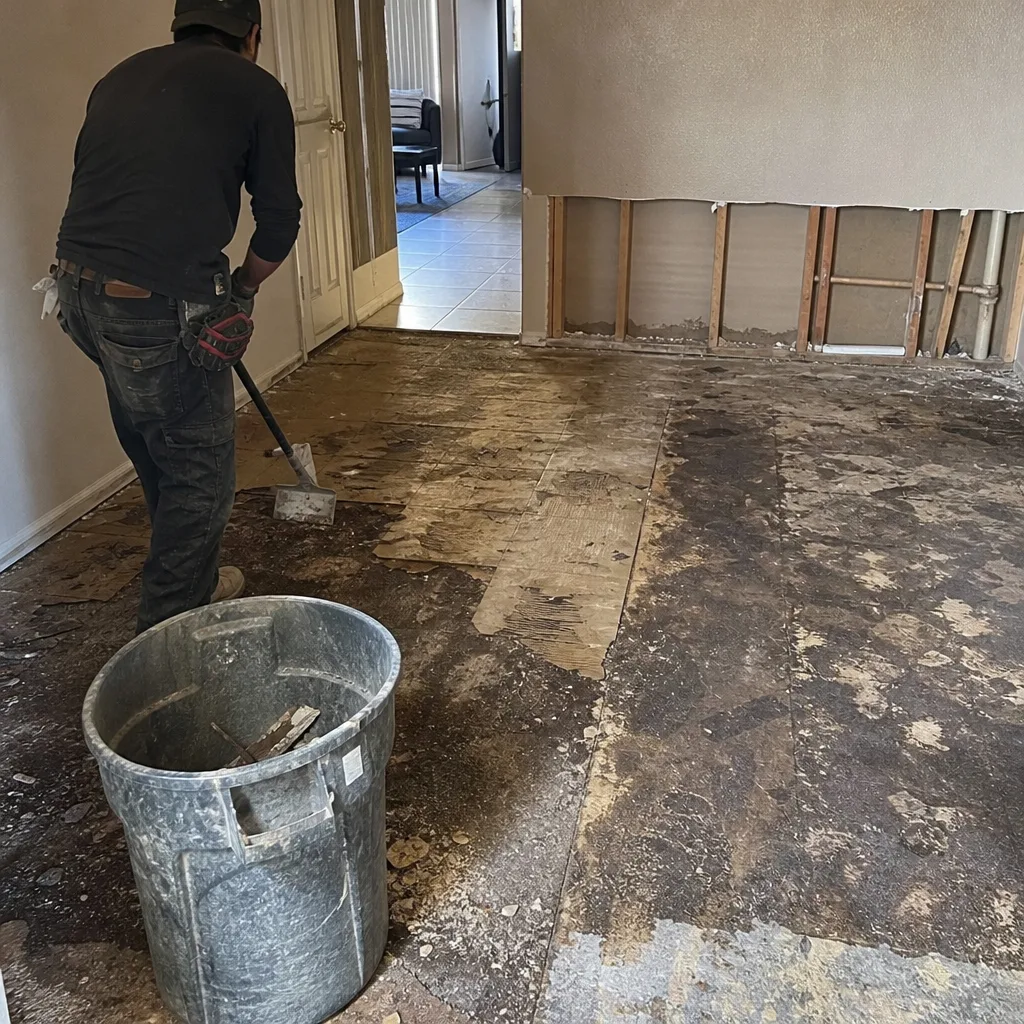 Before
 After
 Before
 After
 Before
 After