
Last updated October 31, 2026
 Kitchen remodeling
 Bathroom remodeling
 Home additions & ADU
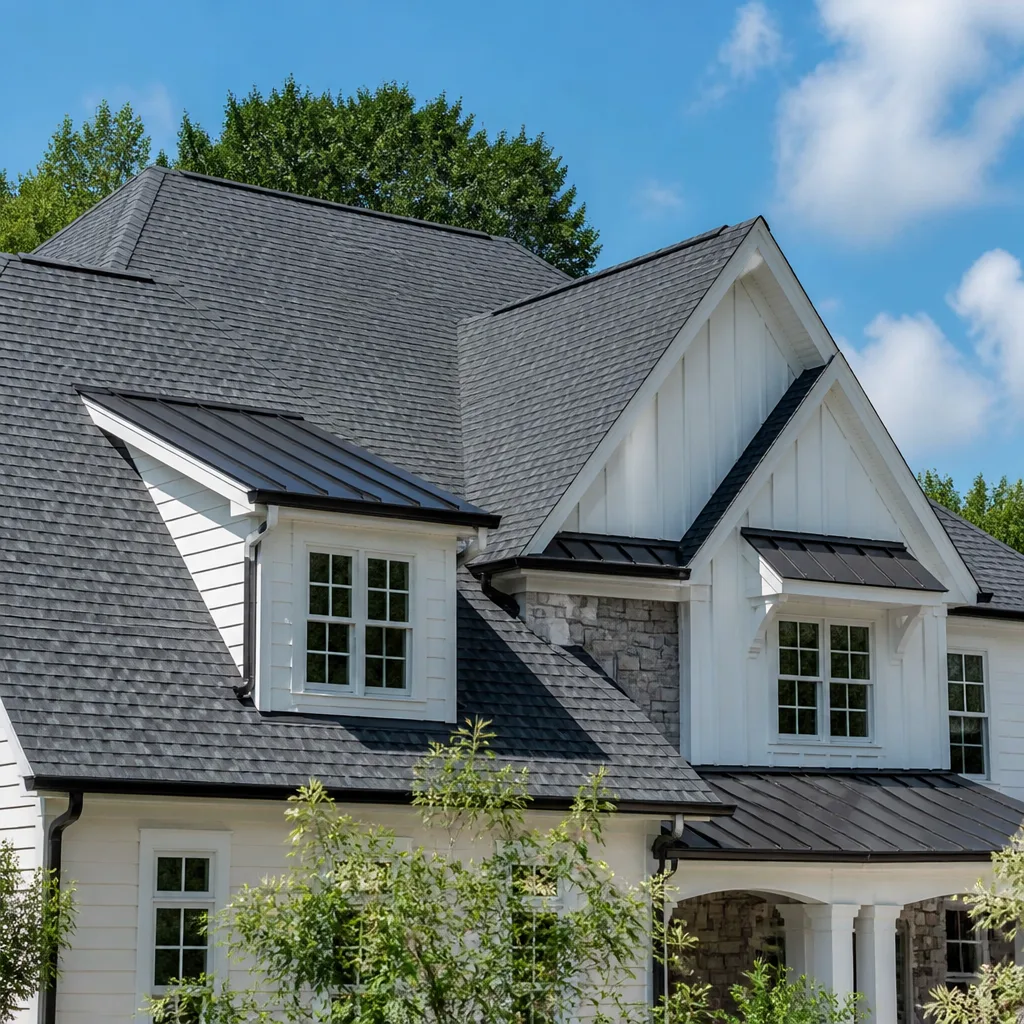 Roofing
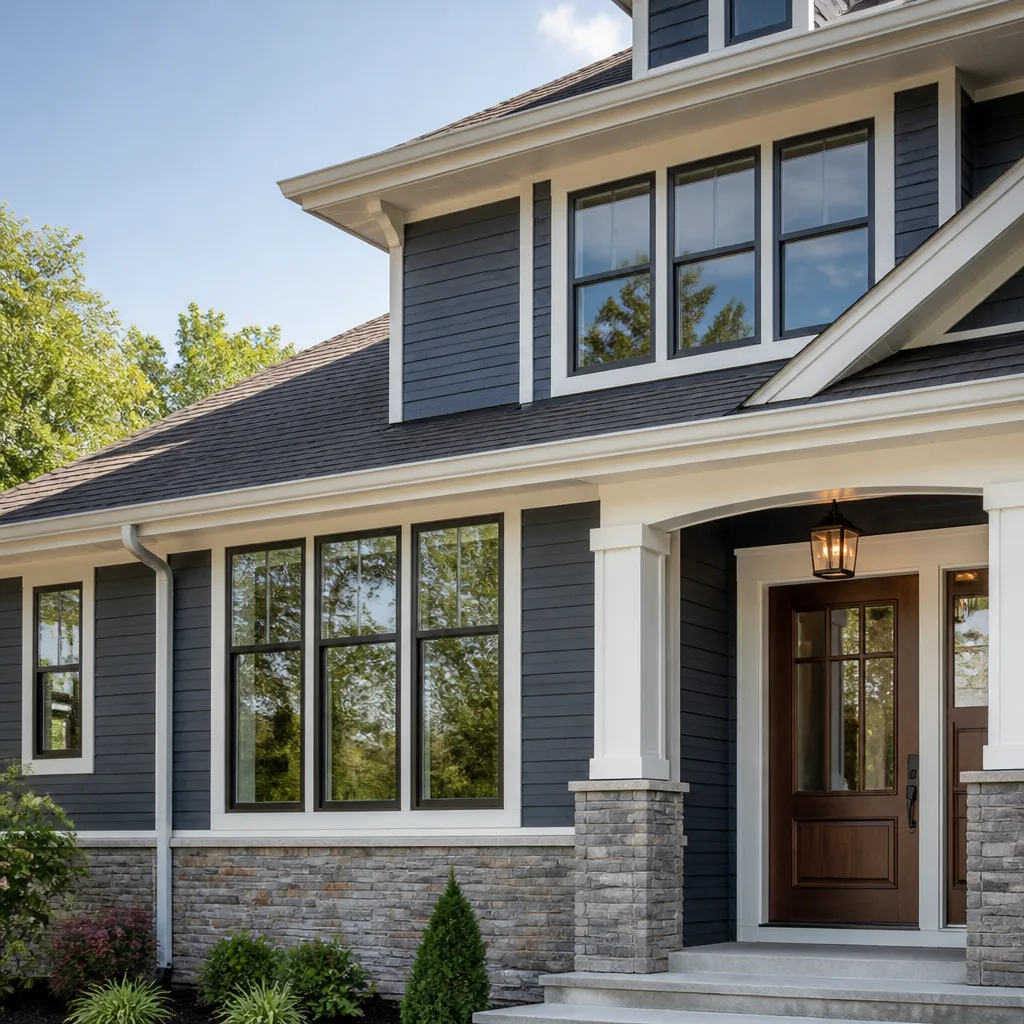 Windows & doors
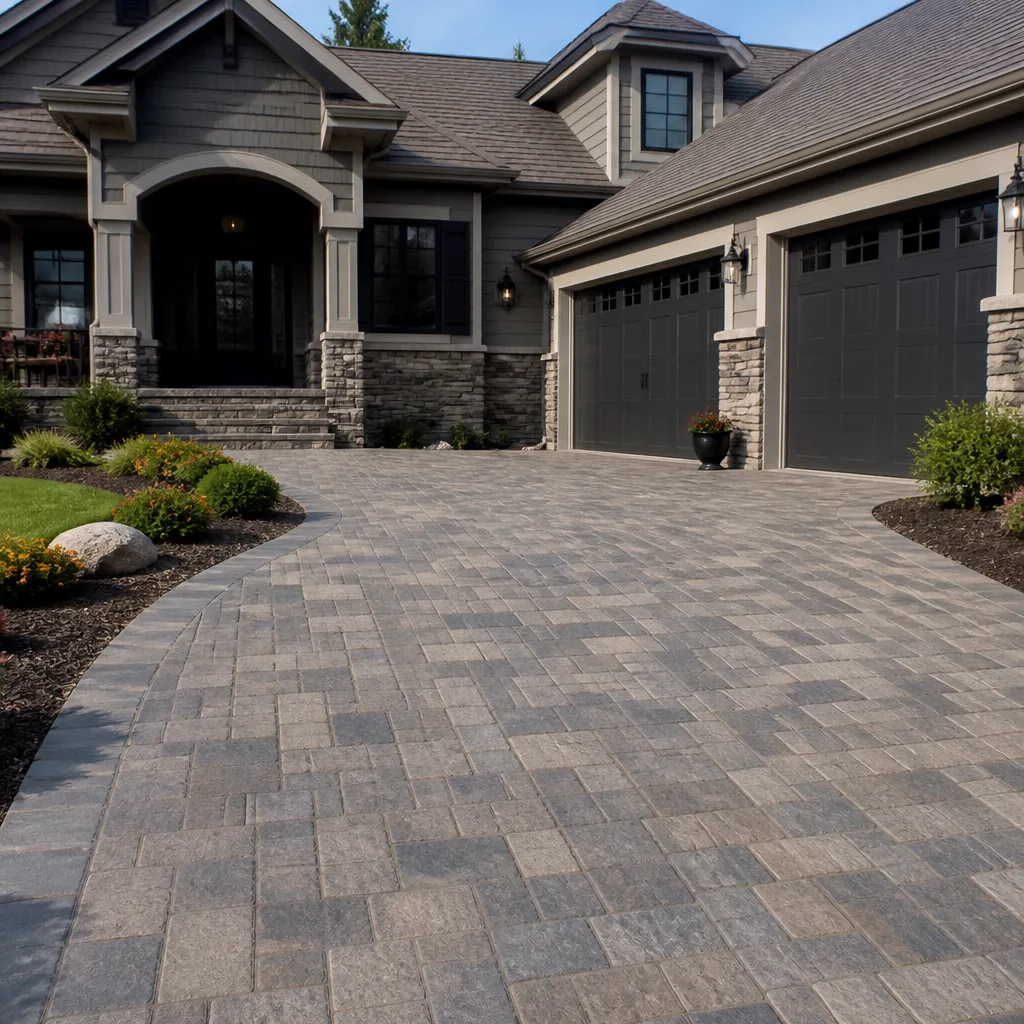 Driveway & pavers
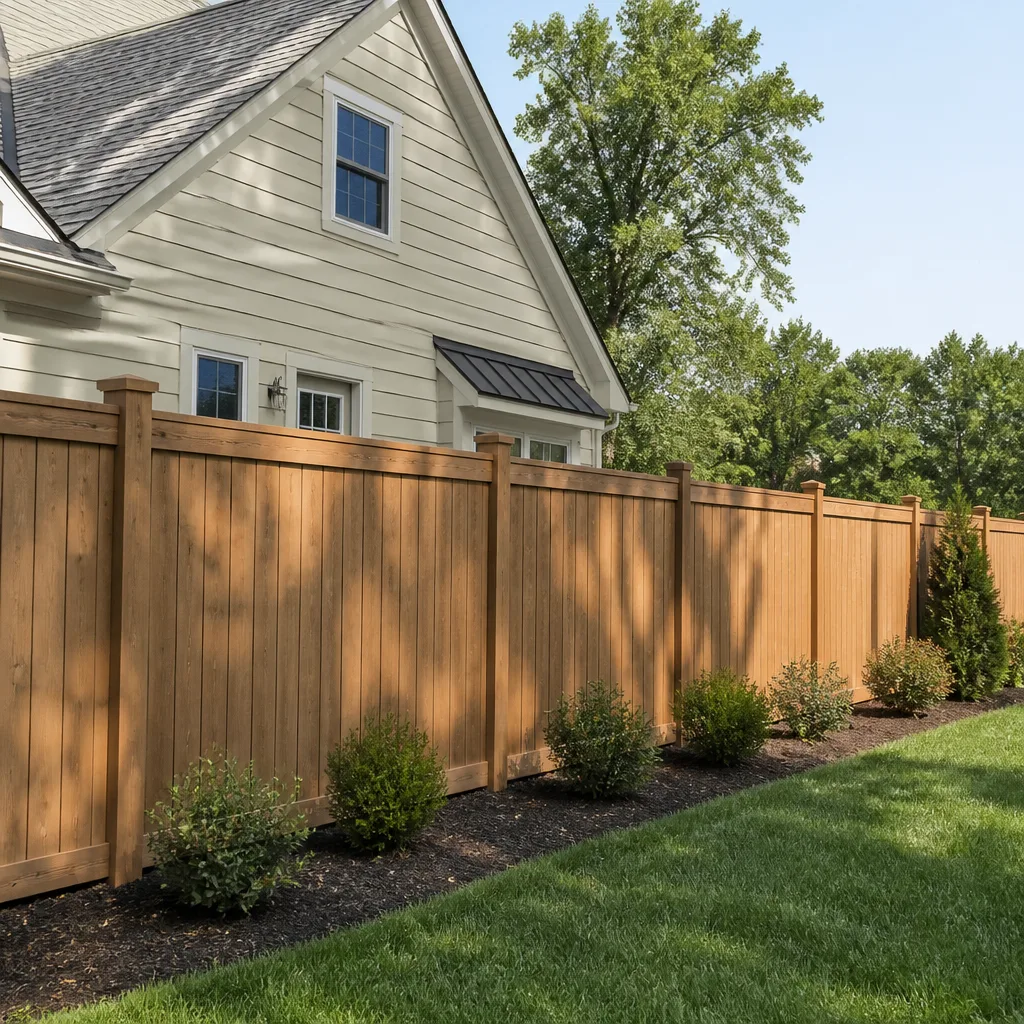 Fence
Free written scope consultation - allowances, timeline, and change-order rules on paper before a single trade is scheduled
Choosing the Right Construction Brand: A Buyer’s Guide for Corona
A roofing shingle rated for 30 years in Seattle has a real-world performance life of 18 to 22 years in Corona’s UV index and temperature range. The brand printed on the wrapper matters less than the product line’s heat-rated specification, which most homeowners never see. This guide cuts through manufacturer marketing to show you which construction brands actually hold up in the Inland Empire, how to read the technical specs that matter for Corona’s climate, and how a vetted contractor relationship changes what brands you can access – and what they’ll actually do for your home. For The Complete Guide to Construction in Corona and more guides & resources, see our blog.
Styles & brands we work with
Quick Answer
The right construction brand for a Corona home is the one whose product line meets Inland Empire climate specifications: high solar reflectance (SRI) for roofing, low U-factor and solar heat gain coefficient (SHGC) for windows, fiber cement or engineered siding rated for UV exposure, and HVAC equipment sized for 100-degree-plus summers. Brand reputation matters less than climate-appropriate product selection – and the most reliable way to get both is through The Complete General Contractor Guide for Corona Homeowners — a general contractor with direct manufacturer partnerships and installation training, rather than researching brands independently.
Table of Contents
- Why Brand Selection Works Differently in Corona
- Which Product Categories Actually Deserve Brand Scrutiny
- How to Read the Technical Specs That Matter for the Inland Empire
- Vetted Brand Relationships vs. Low-Bid Sourcing: What Changes
- How 50+ Vetted Brands at the General Contractor Level Actually Works
- Brand Warranty Terms That Actually Matter
- A Practical 5-Step Brand Selection Process
- Common Mistakes to Avoid
- When to Call a Professional
- Frequently Asked Questions
- The Bottom Line
Why Brand Selection Works Differently in Corona
Corona sits in a climate band that punishes building materials in specific, measurable ways. Average July highs reach 94 degrees, with stretches above 100. UV exposure runs high year-round, with more than 270 sunny days annually. The combination of intense sun, low humidity, and dry Santa Ana winds means exterior materials face accelerated thermal cycling, UV degradation, and occasional ember exposure from wildfire conditions.
What does this mean for brand selection? A nationally marketed roofing brand might have ten product lines, but only two or three are engineered for sustained high-heat, high-UV performance. The same applies to windows, where glass coatings and frame materials designed for humid coastal climates underperform in Corona’s dry heat. In our experience working with Corona homeowners, the brands that perform best here are rarely the ones spending the most on television advertising. They’re the ones whose product data sheets show specific performance values for solar reflectance, thermal emittance, and UV resistance – numbers that are publicly available but rarely read.
This guide exists because the information a homeowner needs to make a sound brand decision is scattered across manufacturer spec sheets, contractor training programs, and installer knowledge. The Gold Star Contractors home team has spent years sorting through which brands hold up in Corona’s specific conditions, and the practical framework below reflects what we’ve learned.
Which Product Categories Actually Deserve Brand Scrutiny
Not every product category rewards deep brand research. Some categories have meaningful performance differences between brands in Corona’s climate; others are largely commoditized, where installation quality matters more than the label on the box. Knowing which is which saves you weeks of research and thousands of dollars.
Categories Where Brand Selection Matters Most
Roofing. Corona’s heat and UV exposure degrade asphalt shingles faster than almost any other climate factor. The meaningful differentiator is not brand loyalty but product-line specification: a shingle with a high Solar Reflectance Index (SRI) will run cooler, last longer, and reduce attic temperatures. Owens Corning’s Duration COOL line, IKO’s Dynasty performance shingles with reflective granules, and Atlas’s StormMaster series all include heat-rated options – but only in specific product configurations. A contractor who understands the difference between a standard shingle and a cool-roof variant can save you 5 to 8 years of roof life.
Windows. Corona’s summer heat makes U-factor (how well the window insulates) and SHGC (how much solar heat passes through the glass) the two most important numbers on any window spec sheet. Brands like PGT and CGI manufacture impact-rated and high-performance glazing options specifically for hot climates, but you’ll only see the full line through a certified installer. Standard replacement windows from big-box retailers often carry SHGC values above 0.30, which means your air conditioner works harder every afternoon from June through September. A SHGC below 0.25 with a U-factor at or below 0.30 is the target range for Corona’s climate.
Exterior Cladding and Siding. Fiber cement siding from James Hardie, installed with the company’s specified gap clearances and flashing details, resists UV fading and thermal warping in ways vinyl and wood cannot match in Corona’s sun exposure. The brand matters here not because of marketing claims but because the product’s dimensional stability under heat stress has been tested and documented. Cheaper composite sidings can warp, fade, and gap after three to five Inland Empire summers.
Categories Where Installation Quality Outweighs the Brand
Fencing and hardscaping. Brands like Master Halco, Jerith, and Ameristar manufacture quality fencing products, but the performance difference in Corona comes down to how the posts are set, whether concrete footings are sized for the soil, and whether galvanized hardware is rated for long-term UV exposure. A premium fence brand installed poorly will fail before a mid-tier brand installed correctly. The same logic applies to pavers: Belgard, Unilock, and Techo-Bloc all produce quality units, but base preparation, drainage, and joint stabilization determine whether a Corona paver patio stays level through thermal expansion cycles.
Cabinetry and countertops. KraftMaid and Wellborn cabinetry differ in construction quality, but the real performance variable in Corona’s dry climate is wood acclimation and hinge hardware selection. Cambria, Caesarstone, and Silestone countertops all perform well under UV exposure, but the installation standard – seam placement, substrate preparation, and sink cutout reinforcement – drives long-term durability. The brand matters for aesthetic consistency and availability; the installer matters for everything else.
How to Read the Technical Specs That Matter for the Inland Empire
Manufacturer data sheets contain the numbers that predict real-world performance in Corona. Here are the specifications to look for, by category, and the values that indicate a product is genuinely suited to Inland Empire conditions.
Roofing: Solar Reflectance Index (SRI)
SRI measures a roof’s ability to reflect solar heat and release absorbed heat. The scale runs from 0 (standard black asphalt, absorbs nearly all heat) to 100 (a perfect mirror). For Corona, you want shingles, tile, or coatings with an SRI of 25 or higher on steep-slope roofs, and 70 or higher on low-slope or flat sections. A high-SRI roof can reduce peak roof surface temperature by 50 to 60 degrees Fahrenheit, which translates to cooler attic spaces, reduced cooling loads, and measurably longer shingle life. Atlas and Owens Corning both publish SRI values per color and product line – request these numbers before selecting a shingle color. Dark color you want for aesthetics? Ask the contractor for a reflective granule alternative that gives you the look with a better SRI value.
Windows: U-Factor and SHGC
U-factor measures how well the window prevents heat transfer; lower is better. SHGC measures how much solar radiation passes through the glass; lower is better for Corona’s cooling-dominated climate. Target a U-factor of 0.30 or lower and an SHGC of 0.25 or lower. Many standard dual-pane windows sold in Southern California carry SHGC values between 0.30 and 0.40, which means they’re actively heating your home during summer afternoons. Brands like PGT and CGI offer low-SHGC glazing packages with spectrally selective coatings that block infrared heat while allowing visible light to pass, and these options are only available through authorized dealers – another reason the contractor relationship matters.
Exterior Cladding: Wind Resistance Class and UV Testing
Siding and cladding products in Corona need to handle two distinct weather patterns: sustained UV exposure and occasional Santa Ana wind events with gusts of 40 to 60 mph. Look for products tested to ASTM standards for wind-driven rain resistance and UV stability. Fiber cement products from James Hardie carry a wind resistance classification and are tested for dimensional stability across wide temperature swings, which matters when Corona’s nighttime temperatures drop 30 degrees below daytime highs during shoulder seasons.
HVAC Equipment: Design Temperature and SEER Rating
Corona’s design temperature – the outdoor temperature your cooling system is engineered to handle – sits around 100 degrees based on ASHRAE climate data. HVAC equipment should be selected using a Manual J load calculation for your specific home, not a rule-of-thumb tonnage guess. SEER2 ratings of 16 or higher deliver meaningful energy savings over a 15-year equipment life in a climate where cooling runs 5 to 7 months per year. The brand matters less than the sizing and the installation quality: an oversized unit short-cycles, fails to dehumidify, and wears out early. A contractor who performs a proper load calculation will be more valuable to you than any brand preference.
Vetted Brand Relationships vs. Low-Bid Sourcing: What Changes
Most homeowners assume that any contractor can buy any brand, which is technically true at the distributor level but misleading in practice. A contractor who has gone through manufacturer training and certification carries privileges and responsibilities that a low-bid installer does not.
Training and installation standards. Brands like Cambria, Caesarstone, PGT, and James Hardie require installers to complete product-specific training before they’re authorized to sell and install certain product lines. This training covers the exact installation methods the manufacturer’s warranty depends on: proper clearances, fastener schedules, flashing details, substrate preparation. A non-certified contractor may be able to buy the product through a secondary channel, but the manufacturer may decline warranty coverage if the installation does not meet documented standards.
Warranty support and escalation paths. When a vetted contractor encounters a product defect, they call their manufacturer representative – a direct person, not an 800 number. The manufacturer rep can inspect the issue, authorize replacement materials, and expedite shipping. This path simply does not exist for a contractor who bought materials ad hoc through the cheapest distributor.
Product accountability. A contractor who has built a relationship with 50-plus manufacturer brands, including premium lines from Owens Corning, IKO, Atlas, and Tamko, has a reputation to maintain with those brands. Manufacturers track which contractors generate warranty claims and installation disputes. A contractor who consistently installs products incorrectly loses their authorized status. That accountability flows down to your project: the contractor’s brand relationships are a signal that other parties have already vetted their work quality.
How 50+ Vetted Brands at the General Contractor Level Actually Works
A homeowner researching independently faces a structural disadvantage: they can see what brands exist, but they cannot easily see which product lines within each brand are suited to Corona’s climate, which installers are actually certified, and which combinations of products work together without compatibility issues. A General Contractor in Anaheim – and yes, the same logic applies across the region – with a curated brand network solves this problem through product-to-application matching.
At Gold Star Contractors, the brand portfolio exists because no single manufacturer makes the best product in every category. Owens Corning makes excellent roofing products, but they do not manufacture windows. James Hardie manufactures top-tier fiber cement siding, but they do not make kitchen countertops. Cambria produces premium quartz surfaces, but they do not make roofing underlayment. A homeowner who wants the right product for each system in their home would need to manage relationships with ten or fifteen different manufacturers – or work with one general contractor who already has those relationships established and understands how the products interact.
Here’s a concrete example. A Corona homeowner planning a whole-home exterior renovation needs: (1) a roof with high SRI to handle summer heat, (2) windows with low SHGC to reduce cooling load, (3) fiber cement siding that will not warp or fade under UV exposure, and (4) fencing that will hold up to dry, shifting soil. Each of these products comes from a different manufacturer, each with its own installation requirements, warranty terms, and lead times. The general contractor’s role is to specify the right product line from each brand, sequence the work so installations do not conflict, and take responsibility for the whole assembly. When one team manages the full scope, the homeowner has one call to make if anything fails, and zero finger-pointing between trades.
This is the difference between a brand list and a brand strategy. A list of 50 brands is meaningless without the experience to know which product line actually performs in Corona’s climate and which combination of products creates the fewest integration problems. The value of a curated network is not variety for its own sake – it’s that the curation has already been done.
Brand Warranty Terms That Actually Matter
Warranty language is where manufacturer marketing and real-world coverage diverge most sharply. Understanding what each warranty actually covers – and what it silently excludes – will save you from discovering gaps five years after installation.
Manufacturer product warranty. Covers defects in the material itself: a shingle that cracks prematurely, a window seal that fails, a countertop that develops a structural fissure. The manufacturer provides replacement material, and in some cases covers a portion of labor. The coverage period varies dramatically: budget shingle lines might carry 20-year warranties, while premium lines like Owens Corning’s platinum products carry lifetime coverage with specific proration schedules. Read the proration schedule: a “lifetime” warranty often drops to 50% coverage after year 10 and continues to decline.
Installer workmanship warranty. Covers errors in installation: improper flashing, insufficient fastening, incorrect substrate preparation. The manufacturer warranty does not cover installation errors – that responsibility falls on the contractor. This is why the contractor’s track record matters as much as the manufacturer’s reputation. A premium shingle installed incorrectly will fail well before its warranty period, and the manufacturer will deny the claim because the installation did not meet documented standards.
What to verify before signing. Confirm in writing: (1) which product line is being installed, with the exact model or SKU; (2) the manufacturer warranty period and proration schedule for that specific product line; (3) the contractor’s workmanship warranty period, in years; (4) who to contact for a warranty claim – the contractor, the manufacturer, or both. This may feel like overkill at the signing table, but it is the difference between a smooth claim process and a denied claim that leaves you paying out of pocket.
A Practical 5-Step Brand Selection Process
Here is a repeatable process for selecting construction brands that work in Corona’s climate, whether you’re planning a single system replacement or a whole-home renovation.
- Define the system you’re replacing and its primary failure mode. Is your current roof failing from heat-related granule loss? Are your windows leaking heat into the house in August? Is your siding fading, warping, or pulling away at the seams? The reason your current product is failing tells you exactly which specification to prioritize in the replacement.
- Request product-line-specific spec sheets, not brand brochures. A brand brochure sells lifestyle. A spec sheet carries the numbers: SRI, U-factor, SHGC, wind resistance class, UV stability rating. Ask the contractor for the data sheet for the exact product line they’re recommending, then verify the numbers against the targets in this guide.
- Confirm the contractor’s certification status with the manufacturer. For roofing, ask if the contractor is certified with the shingle brand they’re recommending. For windows, check whether the contractor is an authorized dealer for PGT, CGI, or whichever brand carries the glazing package you need. For countertops, confirm the installer has completed the manufacturer’s fabrication and installation training. Certified status means the manufacturer will stand behind the installation.
- Compare at least two product lines within the same brand family. A contractor should be able to explain why they recommend one product line over another from the same manufacturer. If the answer is “it’s what we always use,” that’s a red flag – not because consistency is bad, but because the reasoning should be specific to your project, your home’s orientation, and your budget.
- Get both warranties in writing. The manufacturer warranty and the contractor’s workmanship warranty are separate documents. Request both before signing. Read the proration schedule. Confirm the claim process in writing – who you call first, what documentation is needed, and which party covers labor costs.
Common Mistakes to Avoid
- Buying the brand instead of the product line. Every major manufacturer makes multiple product lines at different price points and performance levels. A homeowner who insists on “Owens Corning” roofing might end up with a budget shingle line that underperforms in Corona’s heat when a different line from the same brand – or a comparable line from Atlas or IKO – would have delivered the climate-specific performance needed. Ask for the product line, not just the brand name.
- Prioritizing color and style without checking performance specs. Dark roof colors and large west-facing windows look beautiful but actively work against you in Corona’s summer. If you want a dark aesthetic, ask about reflective granule technology or high-performance glazing coatings that deliver the look without the heat penalty.
- Assuming the lowest bid uses the same quality materials. Two contractors can both quote “architectural shingles” or “quartz countertops” while specifying completely different product lines from the same brands. The lowest bid often reflects a budget product line, not a more efficient contractor. Compare line-item quotes by exact product SKU.
- Signing without reviewing the warranty proration schedule. A “lifetime warranty” sounds ironclad until you read the fine print and discover coverage drops to 30% after year 15. Request the full warranty document, not the one-page summary, before committing.
- Overlooking installation certification status. A premium product installed by an uncertified contractor may carry zero manufacturer warranty coverage. Verify certification status directly with the manufacturer’s authorized dealer locator before signing your contract.
- Comparing brands in a vacuum without considering compatibility. Your roof, windows, siding, HVAC, and structural envelope all interact. A highly efficient window package paired with an unventilated attic can create condensation problems. A whole-home renovation benefits enormously from a Home Remodeling in Anaheim approach where one team considers how every system interacts.
- Delaying decisions until materials are needed immediately. Premium product lines often carry 4-6 week lead times. Planning ahead gives you access to more product options and avoids the forced choice of whatever is sitting in a local distributor’s warehouse.
When to Call a Professional
Brand research is valuable, but there comes a point where independent investigation hits a wall. For more guides & resources on navigating that process, explore our blog. That point is typically when you’re comparing product lines across multiple systems, when manufacturer spec sheets conflict, or when you need to coordinate trades that must integrate – roofing, windows, siding, and HVAC all affect each other’s performance. A professional who has already vetted product lines for Corona’s climate, who maintains active manufacturer certifications, and who can provide a written line-item quote with exact SKUs will save you weeks of research and thousands of dollars in costly mistakes. Gold Star Contractors offers free estimates in Corona – call (833) 382-8544 to discuss your project and get a straightforward assessment of which brands and product lines actually make sense for your home and budget.
Frequently Asked Questions
The best roofing brand for a Corona home is the one whose product line carries an SRI rating of 25 or higher for steep-slope applications, with Owens Corning, Atlas, IKO, and Tamko all manufacturing lines that meet this threshold in specific color and granule configurations. The brand label matters less than the product-line specification, so request the SRI data sheet for any shingle being quoted before making a decision. Call (833) 382-8544 for a free estimate and we’ll walk you through the spec sheets line by line.
Brand-name architectural shingle roofing in Corona typically runs $8 to $14 per square foot installed, while budget three-tab options can come in at $5 to $7 per square foot, but the budget option often sacrifices the reflective granule technology that prevents premature heat-related failure. For detailed pricing across all systems, see our Construction Cost Breakdown: The Corona Homeowner’s Reference for 2026. The price difference is not about the brand name on the wrapper – it’s about the specifications engineered into the product. Call (833) 382-8544 to get an exact line-item quote for your roof, with the product line and SRI value clearly stated.
Yes, you should verify that any contractor you hire is currently certified with the specific brands they’re specifying for your project, because manufacturer warranties on premium products like Cambria countertops, PGT windows, and James Hardie siding are only valid when installation is performed by an authorized installer. Uncertified installation transfers all risk to the homeowner. We hold active certifications across our Home Renovation in Anaheim brand portfolio and can show you the documentation before you sign.
For Corona’s hot, sunny climate, look for windows with a U-factor of 0.30 or lower and a Solar Heat Gain Coefficient (SHGC) of 0.25 or lower, values that indicate the glass coating is blocking infrared heat while still allowing visible light to pass. Brands like PGT and CGI offer glazing packages that meet these targets through spectrally selective coatings, and these products are only available through authorized dealers. Call (833) 382-8544 for a free window assessment with specific product recommendations and SHGC values.
A premium product line selected for Corona’s specific climate conditions can save you real money over time through reduced cooling costs, extended replacement cycles, and valid warranty coverage when failures occur, but brand selection alone does not guarantee these outcomes – installation quality and climate-appropriate specification determine the actual return. A cool-roof shingle with an SRI of 29 can reduce cooling loads 10 to 15 percent during summer months, and that compounds annually. We’d rather show you the numbers than make the claim without them – call (833) 382-8544 to discuss your project.
In Corona’s specific climate, a properly selected and installed architectural shingle roof should last 18 to 25 years, fiber cement siding 30-plus years, and premium windows 20 to 30 years, but these numbers assume climate-appropriate product selection – a standard shingle without reflective granules will fall at the bottom of that range or below it. The products that reach the top of their ranges are the ones whose specifications were matched to Inland Empire conditions from the start. Call (833) 382-8544 for an honest assessment of what your budget will realistically buy in Corona’s market.
The Bottom Line
Brand selection for construction products in Corona is not about finding the most heavily advertised manufacturer. It’s about identifying the product lines whose technical specifications match the specific stresses of the Inland Empire: high UV exposure, summer temperatures above 100 degrees, dry soil, and occasional Santa Ana winds. The brands that perform best here are the ones whose data sheets show the right numbers – high SRI for roofing, low SHGC for windows, dimensional stability for siding – and those products are best accessed through a contractor with active manufacturer certifications and a curated brand network. One contractor, one accountable team, and products chosen because they work, not because they’re familiar.
Written by the team at Gold Star Contractors, serving Corona since 2012.
See the difference
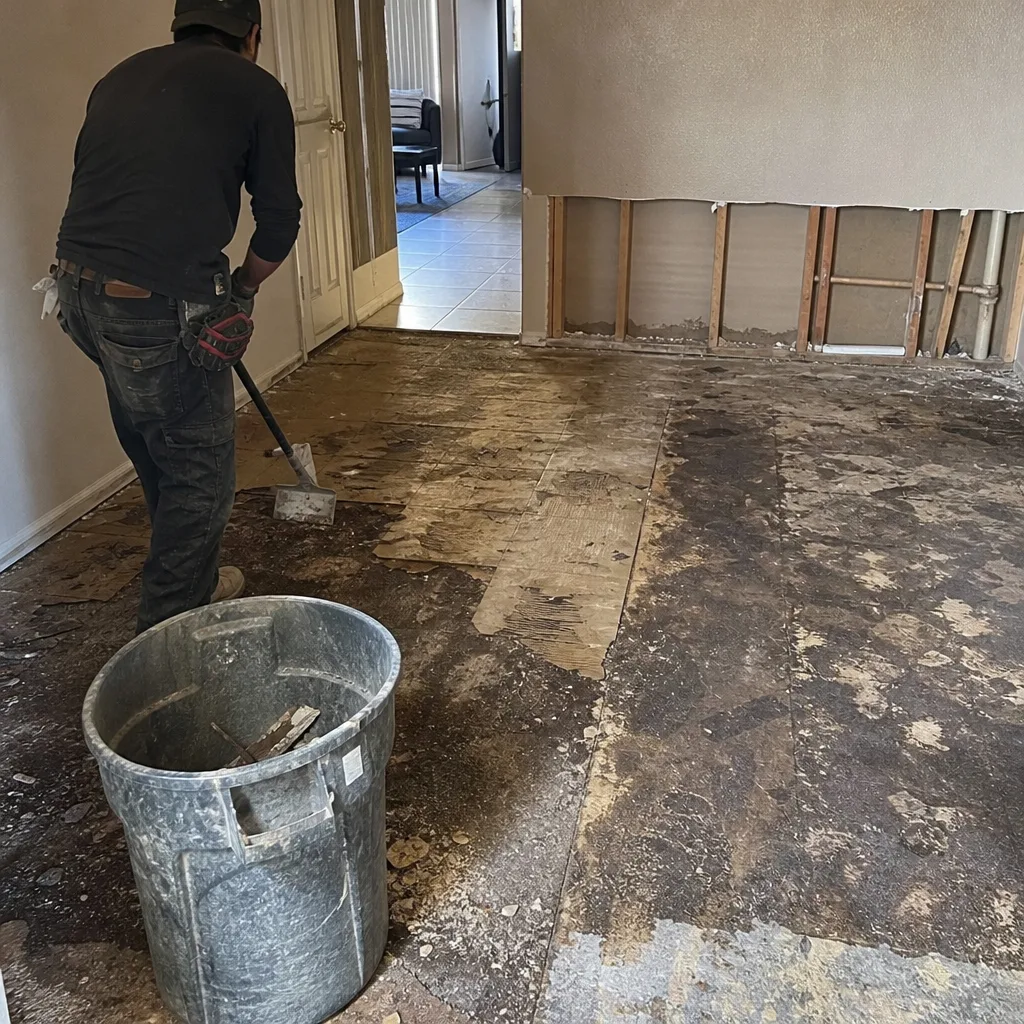 Before
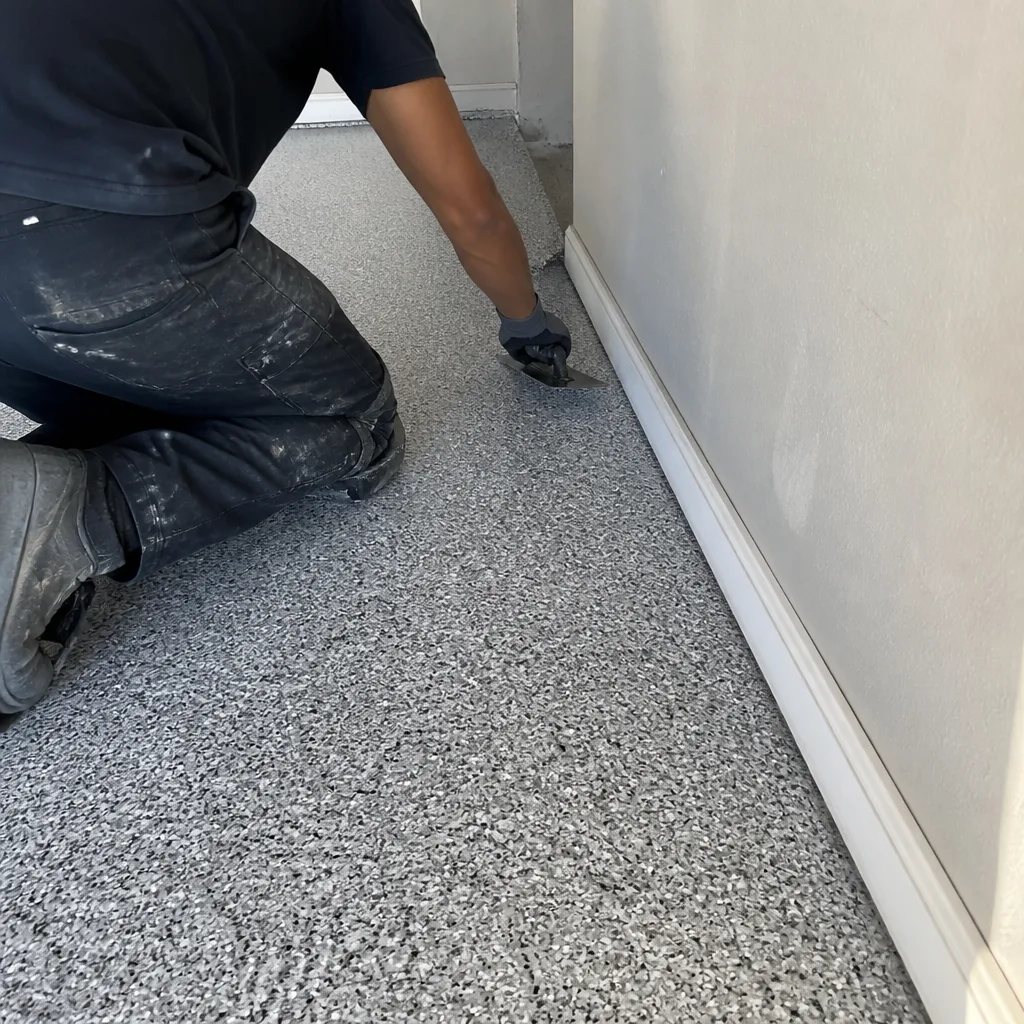 After
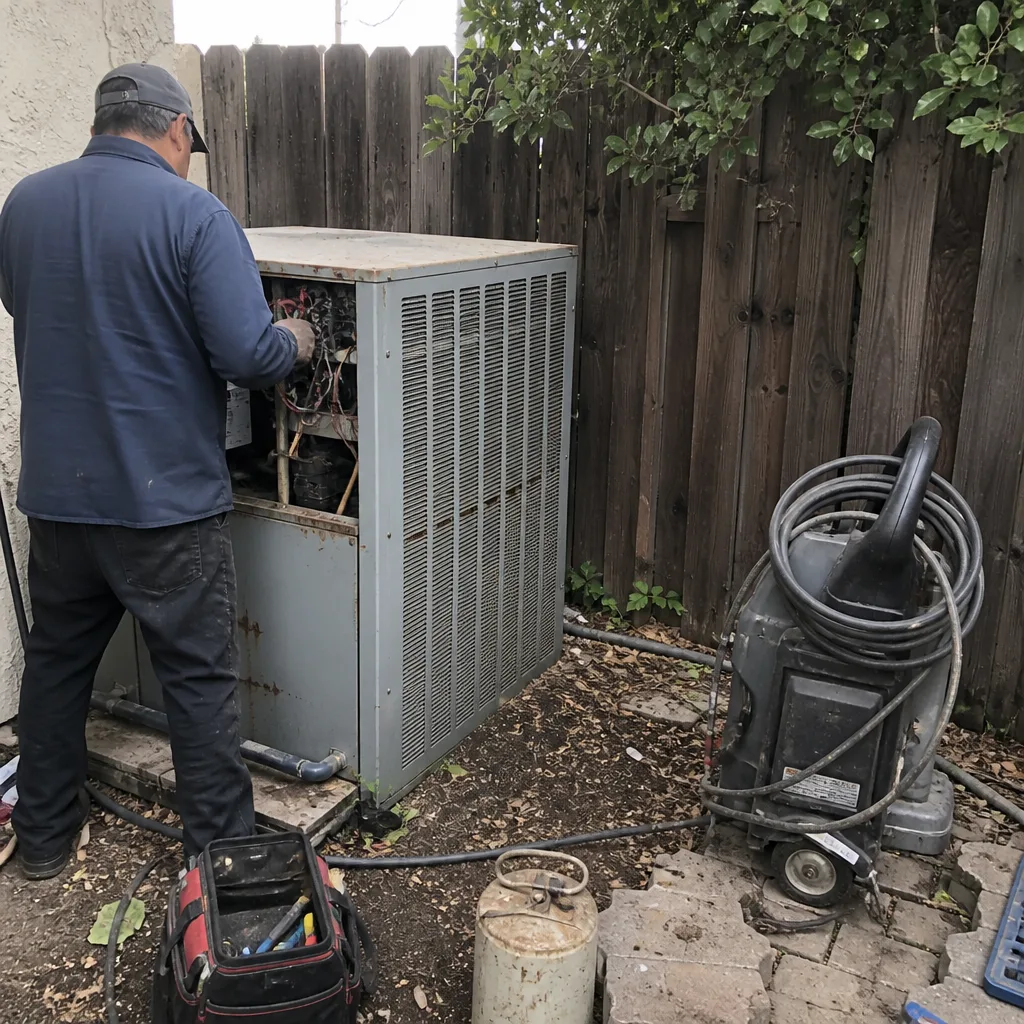 Before
 After
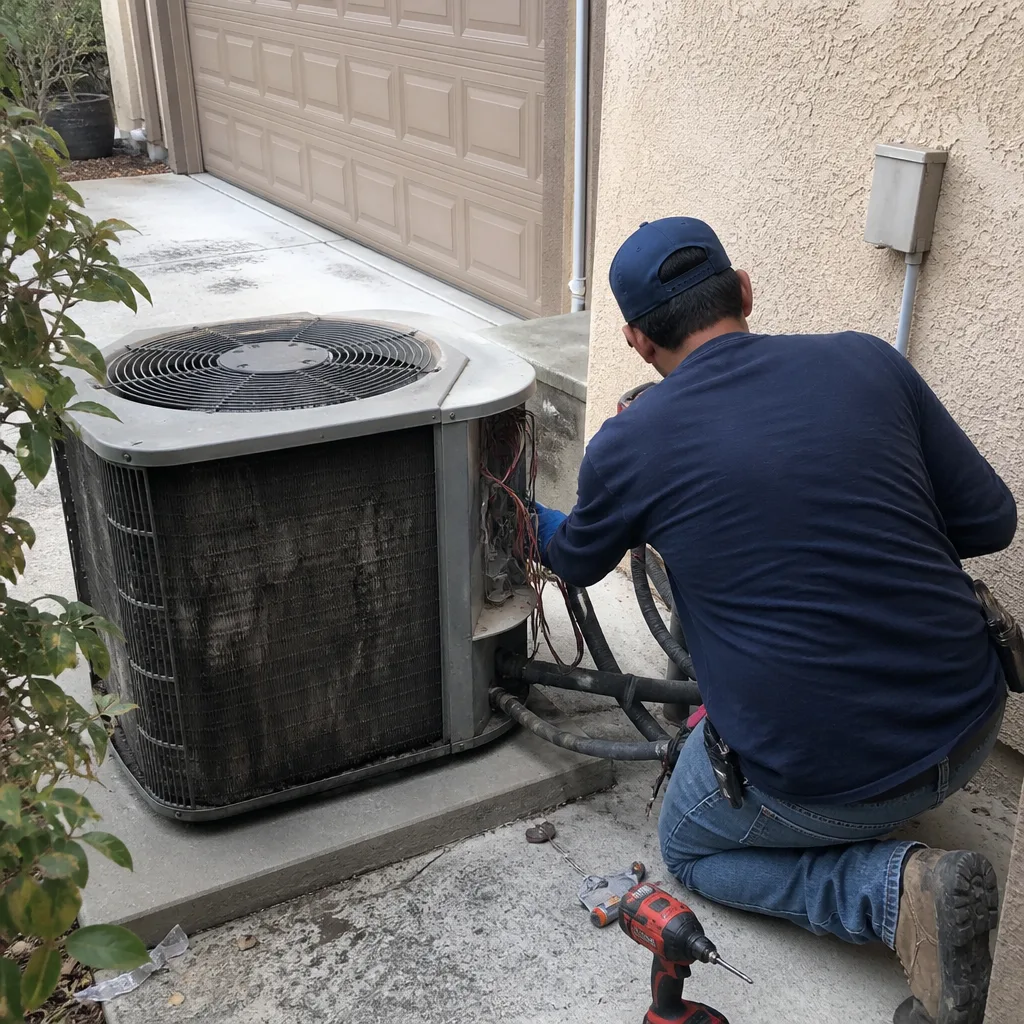 Before
 After