
Last updated October 31, 2026
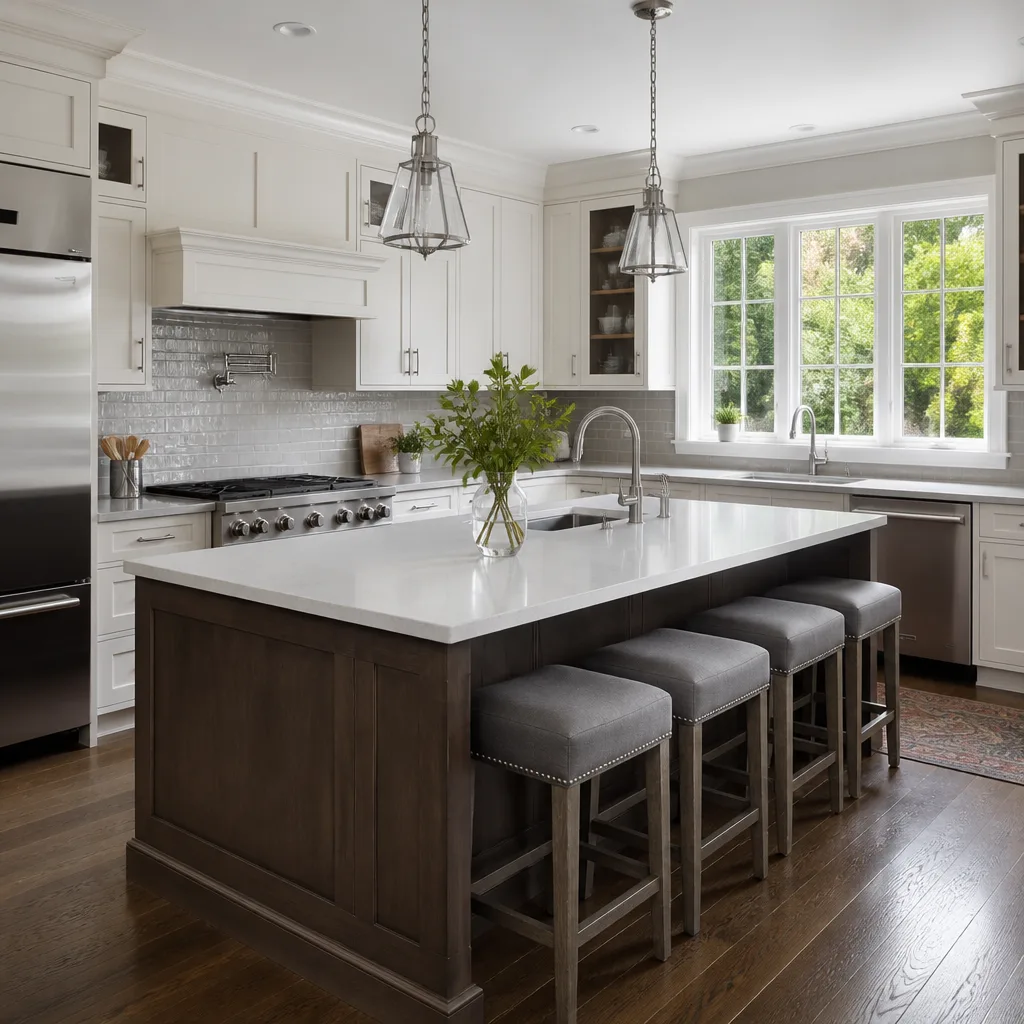 Kitchen remodeling
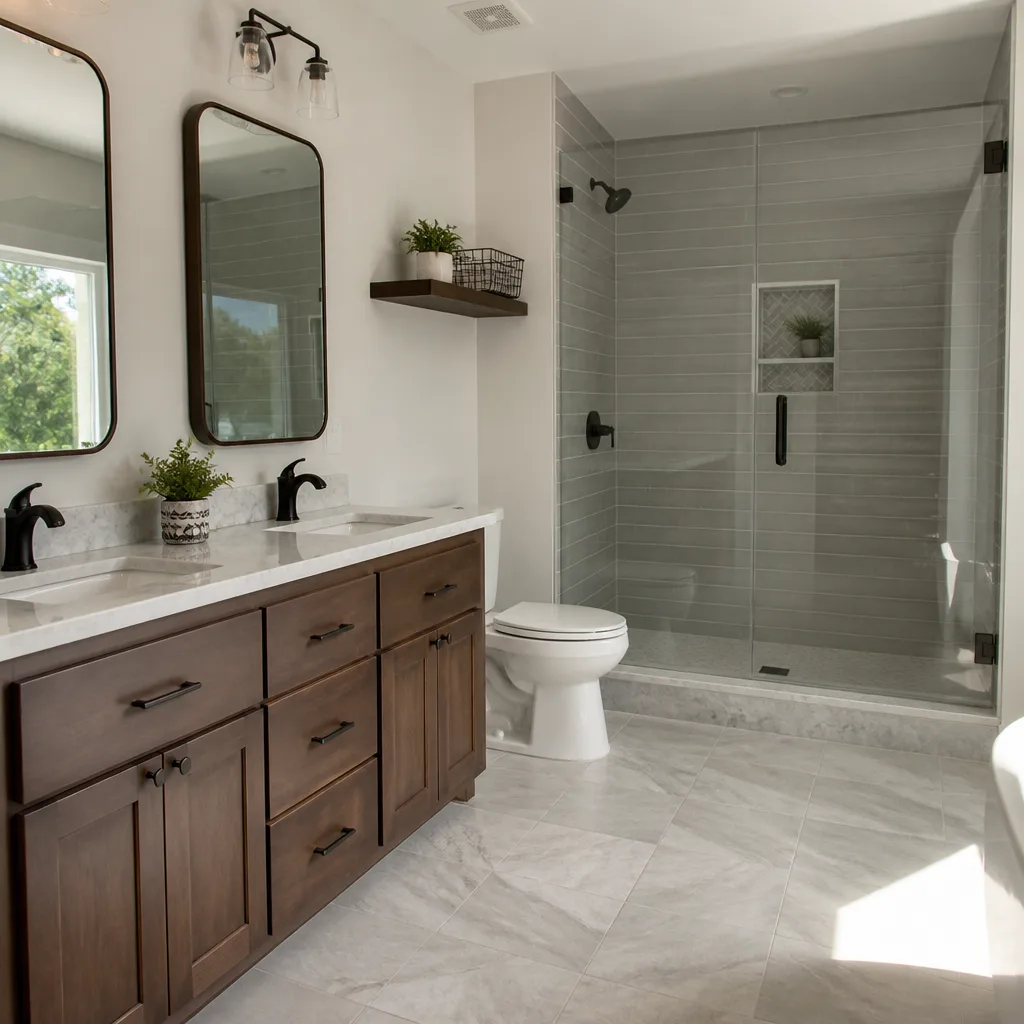 Bathroom remodeling
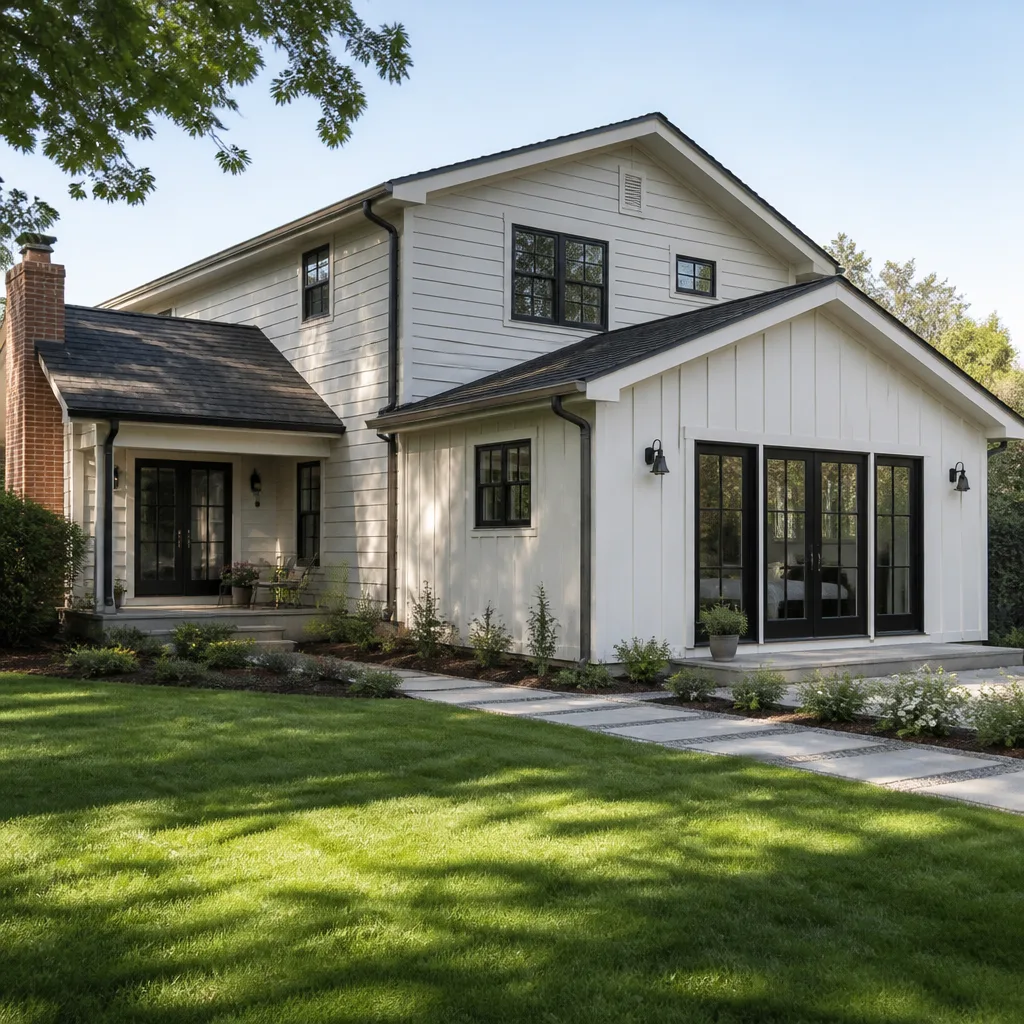 Home additions & ADU
 Roofing
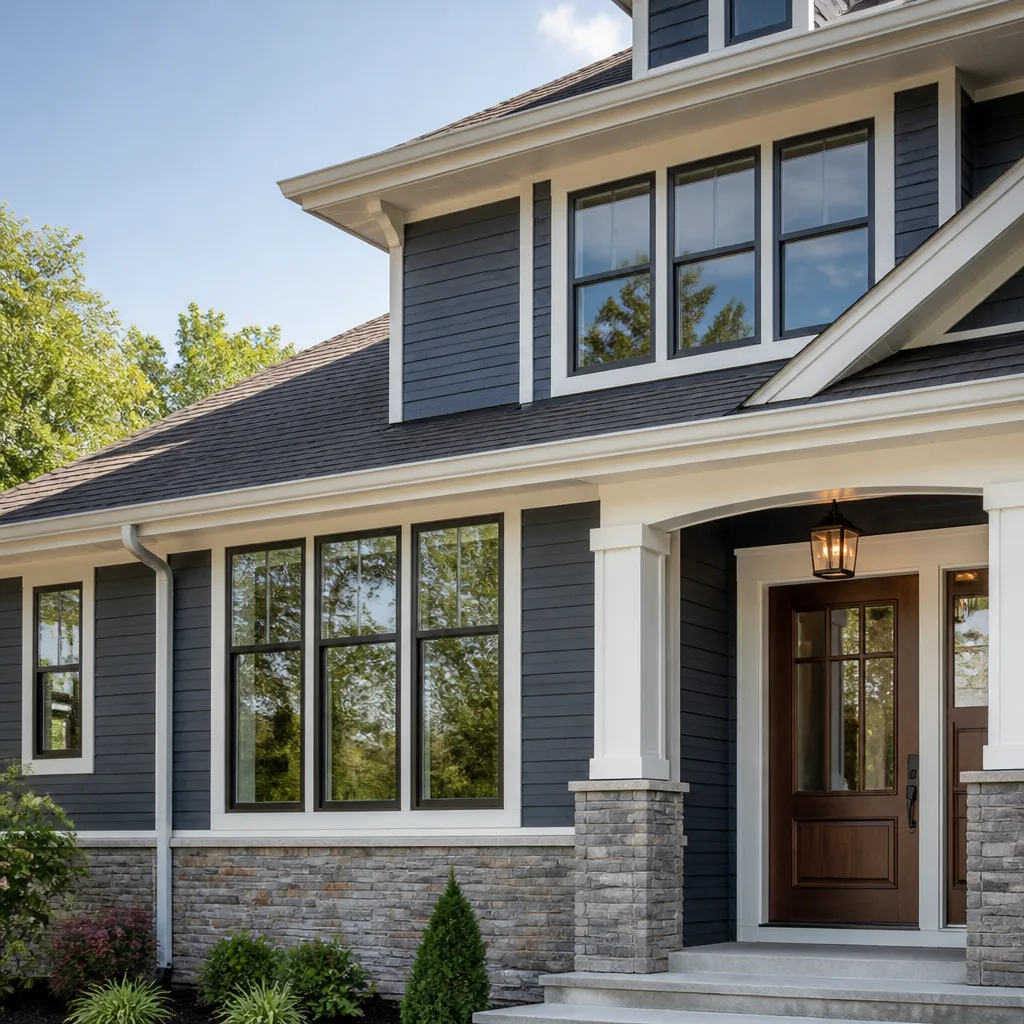 Windows & doors
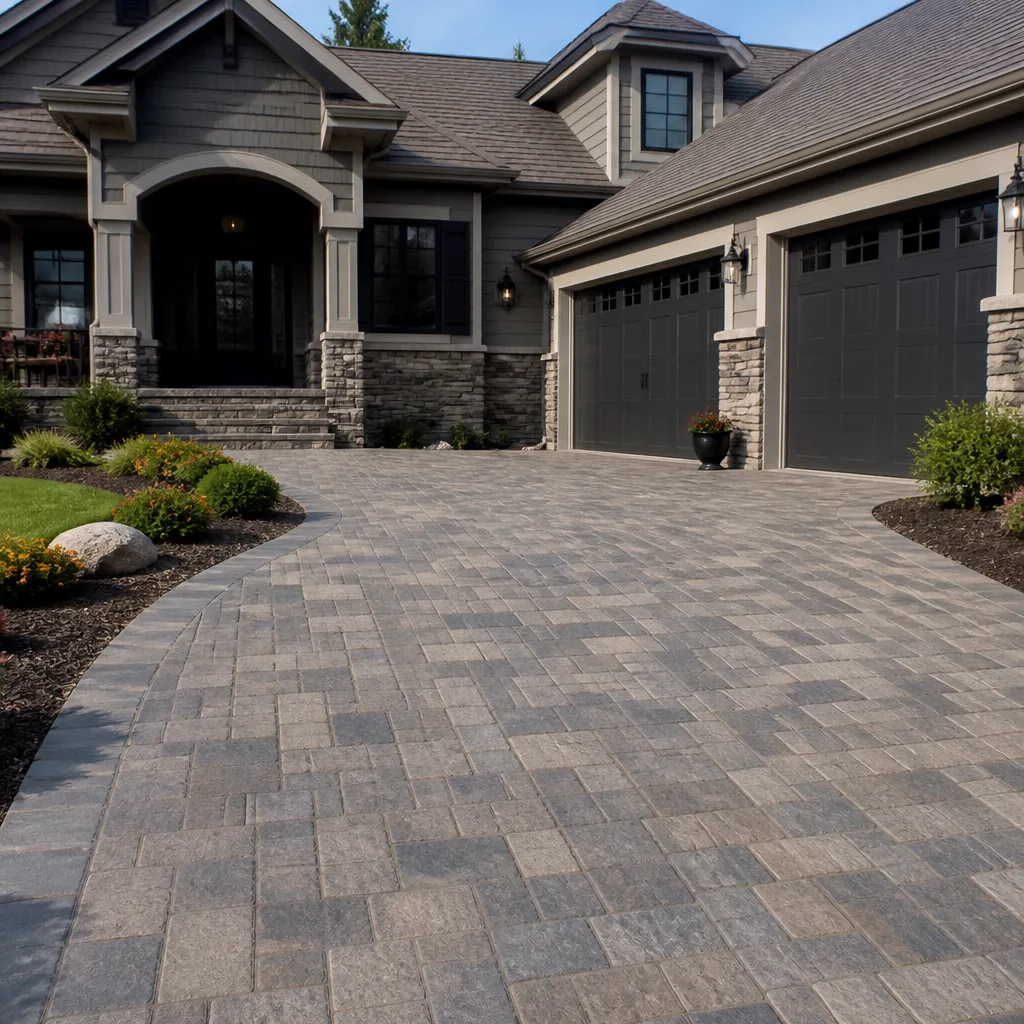 Driveway & pavers
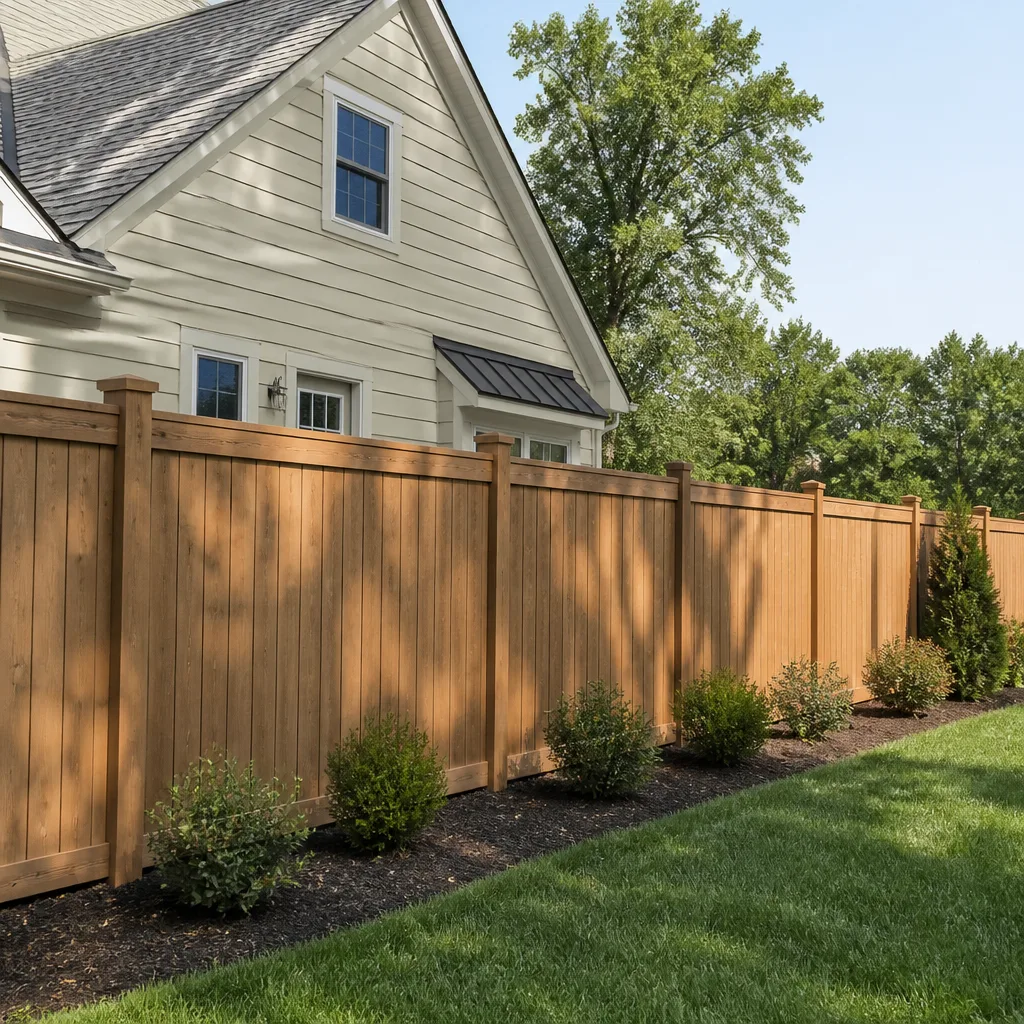 Fence
Free written scope consultation - allowances, timeline, and change-order rules on paper before a single trade is scheduled
How to Hire a Construction Contractor in Corona: A Step-by-Step Guide
Here’s a number that should make every Corona homeowner pause: the lowest bid wins roughly 60% of residential construction jobs, yet those same low-bid projects generate a disproportionate share of the complaints filed with the California Contractors State License Board. The reason is simple math. A bid that doesn’t account for permit fees, trade coordination, inspection cycles, and the reality of Riverside County’s building timeline was never a real bid at all. It was a placeholder designed to win the job, with the true cost arriving as change orders the moment work begins.
This guide walks through exactly how to hire a construction contractor in Corona, what to verify before you sign anything, which red flags cost Corona homeowners the most money, and what separates a genuine full-scope general contractor from a single-trade specialist stretched beyond their legal scope. For a deeper dive, see our The Complete General Contractor Guide for Corona Homeowners. If you’re planning a remodel, addition, or ADU, the next fifteen minutes will save you thousands.
Quick Answer
To hire a construction contractor in Corona, verify their California CSLB license classification matches the scope of your project, request a written line-item bid that includes permit fees and a defined change-order process, interview at least two contractors with proven Riverside County project experience, and confirm they coordinate all trades through one accountable contract rather than leaving you to manage separate vendors. The contractor should walk you through Corona’s specific permit and inspection timeline during the first meeting, not after you’ve signed.
Styles & brands we work with
Table of Contents
- What to Verify on a CSLB License Lookup in Corona
- Understanding License Classifications: Why the Letter Matters
- General Contractor vs. Single-Trade Specialist: The Scope Problem
- Why “Get Three Bids” Fails Corona Homeowners
- Reading a Corona-Area Contract for Scope Gaps
- Red Flags Specific to the Corona Market
- Interview Questions That Reveal Real Corona Experience
- Common Mistakes to Avoid
What to Verify on a CSLB License Lookup in Corona
The California Contractors State License Board database is the first stop for any homeowner hiring in Corona, and it’s free to use. But most people check exactly one thing: whether the license is active. That’s a start, but it’s nowhere near enough. Here’s the full verification sequence we recommend before you invite anyone to walk your property.
Step 1: Confirm active status and expiration date. A license can be active but expiring in three weeks. If your project runs six months, you want to know the renewal is handled. Lapses happen when contractors get busy and forget filings. A lapse mid-project can freeze your permit.
Step 2: Check the classification letter. This is the part most Corona homeowners skip. The classification letter defines what the contractor is legally allowed to do. A “B” license means General Building Contractor. A “C” license means specialty contractor. We’ll cover why this matters in the next section, but know this: a C-36 plumbing contractor cannot legally pull permits for structural framing, and a C-54 tile contractor cannot act as the general on your kitchen remodel. The CSLB database shows this letter next to the license number.
Step 3: Look at the license history. Has the license been suspended, revoked, or reinstated? Does the business name on the license match the name on the contract they handed you? A contractor operating under a different name than the one on file is a serious red flag.
Step 4: Check workers’ compensation insurance. The CSLB lookup shows whether the contractor carries workers’ comp. In California, if a contractor has employees and no workers’ comp, you could be held liable if someone gets hurt on your property. This is not a small detail. It’s a financial exposure line item.
Step 5: Verify the bond. California requires a $25,000 contractor license bond. The CSLB lookup confirms it’s in place. The bond won’t cover a botched remodel, but its absence signals deeper compliance problems.
A full-scope general contractor managing a Corona remodel will have all of this clean and current, as outlined in our Seasonal Construction Care for Corona: Year-Round Homeowner’s Guide. If any of these five checks raises a question, ask it before you sign. If the answer feels evasive, move on. You’re hiring someone to work inside your largest asset. The screening should feel thorough because it is.
We also recommend reading the Gold Star Contractors home page to see what a full-scope general contractor’s project approach looks like in practice, from pre-construction planning through final inspection.
Understanding License Classifications: Why the Letter Matters
The single most expensive assumption a Corona homeowner can make is that every licensed contractor can legally perform every type of work. That’s not how California licensing works. The classification letter attached to a license is a legal boundary, not a suggestion.
Here’s what the main classifications mean for residential projects in Corona:
- B – General Building Contractor: Authorized to manage and perform work involving two or more unrelated trades on a single project. This is the classification you want for a kitchen remodel, a bathroom renovation, an ADU, a roof plus siding job, or any project where framing, plumbing, electrical, and finishes all intersect.
- C-36 – Plumbing Contractor: Authorized for plumbing work only. Cannot legally be the prime contractor on a project that includes structural or other trade work.
- C-54 – Ceramic and Mosaic Tile Contractor: Licensed for tile installation. Cannot pull permits for framing or electrical.
- C-39 – Roofing Contractor: Licensed for roof systems. Cannot legally manage a full remodel.
- C-10 – Electrical Contractor: Licensed for electrical work. Cannot act as the general on a multi-trade project.
The problem we’ve seen play out in Corona goes like this: a homeowner hires a specialty contractor to do a bathroom remodel because the specialty contractor’s bid came in low. The specialty contractor starts the work, then realizes the project requires moving a wall, which requires a structural permit, which requires a B classification or a separately licensed subcontractor. The homeowner now has two contractors, two schedules, two points of contact, and no single person accountable for the whole result. The “savings” evaporated the moment the second trade entered the job.
This is why, when you’re sitting down with any contractor in Corona, you ask one direct question: “What classification is on your license, and who is pulling which permits on this project?” A legitimate full-scope general contractor will answer without hesitation. A contractor who hedges is telling you something important about how the project will actually be managed.
General Contractor vs. Single-Trade Specialist: The Scope Problem
There are two models for managing a residential construction project, and the difference between them determines where accountability lives. Understanding this choice is one of the most important decisions you’ll make when hiring a contractor in Corona.
Model 1: The specialty contractor stretched beyond scope. This is the contractor who is excellent at one trade and quietly agrees to manage the rest. Maybe they’re a roofer who says they can “handle” the fascia and gutter replacement, or a kitchen installer who says they’ll “bring a guy” for the plumbing. The issue isn’t skill. It’s legal scope, permit responsibility, and coordination burden. When the plumber doesn’t show, who do you call? When the inspector flags the electrical, who fixes it? The specialty contractor starts as your contractor and ends as your scheduler, with you as the project manager.
Model 2: The general contractor who coordinates vetted subcontractors. This contractor holds the B classification, owns the permit, schedules every trade, and carries the insurance for the full scope. Subcontractors answer to the general contractor, not to you. If the tile work fails inspection, the general contractor fixes it because the contract says the general contractor is accountable for the finished result. This model costs more on the front end and almost always costs less by the end, because the coordination is built into the contract rather than improvised mid-project.
In Corona specifically, this matters because of inspection scheduling. Riverside County’s building department handles a high volume of permits, and inspection windows can shift. A general contractor who coordinates multiple trades knows how to sequence work around inspection availability. A homeowner trying to coordinate two or three separate contractors rarely does, and the result is a project that stalls for weeks between phases.
At Gold Star Contractors, we use the coordinated model for a practical reason: homeowners buy a finished result, not a series of isolated trade visits. Whether the project is a kitchen remodel, a roof replacement with siding repair, or an ADU installation, one accountable contract with one point of contact is the only structure that survives contact with a real construction schedule. We specify the brand, manage the install, and stand behind the result. That sentence should be in your contract somewhere, in plain language.
If you’re weighing a remodel of any meaningful size in Corona, our Home Remodeling in Anaheim guide covers the scope-planning questions that apply to any Southern California market, including how to think about material selection before you get bids.
Why “Get Three Bids” Fails Corona Homeowners
The standard advice to collect three bids is everywhere, and it feels responsible. But it’s built for buying a commodity, like a water heater replacement where the scope is identical across contractors. It fails on multi-trade projects because no two contractors define scope the same way, and the differences hide in the line items no one reads until it’s too late.
Here’s the core problem: three bids from three contractors almost never describe the same project. One bid includes permit fees. Two don’t. One includes hauling and disposal. One buries it in a “miscellaneous” line that doubles later. One includes the finish materials you picked. Another prices in builder-grade substitutes and doesn’t tell you. When you compare these three numbers side by side, you’re not comparing apples to apples. You’re comparing three different interpretations of your project, and the lowest number is usually the least complete interpretation. That’s not a better deal. That’s a scope gap with a contract around it.
The contractor with the lowest bid in Corona wins the job 60% of the time and generates the most dispute complaints filed with the CSLB, because a bid that doesn’t account for permit fees, trade coordination, and inspection cycles was never realistic. The bid was built to win, not built to build.
So what should you do instead? Get fewer bids and demand more detail. Two thorough, line-itemed, scope-complete bids will tell you more than five competitive quotes ever will. The question isn’t “what’s your price.” The question is “what exactly is inside this price, and what is outside it.”
A line-item bid from a real general contractor in Corona should break out, at minimum:
- Demolition and hauling, including dumpster fees
- Rough framing and structural work
- Rough plumbing and electrical, including panel work if needed
- Permit fees and plan check fees, listed as actual line items
- Finish materials, listed by brand and product line
- Finish fixtures, listed by brand
- Painting, trim, and detailing
- Site protection and daily cleanup
- A defined contingency line, typically 5-10%, with a written rule for how it gets used
This level of detail lets you compare bids honestly. And it signals the contractor thinks in systems, not in sales numbers. Premium materials, professionally installed: Cambria countertops, KraftMaid cabinetry, James Hardie siding. A bid that names the actual materials is a bid that’s been thought through. A bid that says “countertops” is a guess.
For a closer look at how a full-scope remodel should be planned, see our General Contractor in Anaheim page, where we break down the project phases that keep a renovation on schedule and on budget.
Reading a Corona-Area Contract for Scope Gaps
Most homeowners read the first page of a contract, check the total, and sign. That’s exactly where the money leaks. The scope gaps that generate change orders live in the middle of the contract, in clauses that sound like legal boilerplate but are actually cost-shifting mechanisms. Here’s how to read one.
1. The allowance trap. Allowances are dollar amounts the contractor sets for materials that haven’t been selected yet, like flooring, tile, or fixtures. A bid with a $1,500 tile allowance for a 200-square-foot bathroom is unrealistic, and the contractor knows it. The real tile cost will land at $4,000, and that difference becomes a change order. Ask your contractor to confirm each allowance against the actual material you plan to use. If they can’t, treat the allowance as a red flag, not a savings.
2. The “not included” list. Legitimate contracts include a written list of exclusions: items that are not part of the scope. Read this list carefully. If the contract excludes “structural modifications discovered during demolition” or “plumbing that fails inspection” or “drywall repair beyond patching,” you are holding a scope gap in writing. The contractor just hasn’t priced it yet.
3. The change order clause. This clause defines how changes to scope get priced and approved. It should require written approval from you before any additional work begins, with a documented price attached. A contract that lets the contractor proceed on verbal direction and bill later is a blank check. We use written change orders with fixed pricing on every project, so there’s never a surprise line at the end.
4. The payment schedule. California law limits the down payment on residential projects to 10% of the contract price or $1,000, whichever is less. If a contractor asks for more up front, that’s a CSLB violation. The payment schedule should tie payments to completed milestones, not calendar dates. You want payments to follow progress, not precede it.
5. The permit responsibility clause. The contract should state clearly who pulls which permits. In Corona, the homeowner is ultimately responsible for permits being in place, and penalties for unpermitted work fall on the property owner. A contract that leaves permits vague is a contract that leaves you holding the liability.
We also encourage homeowners to review their project with a renovation lens before signing. Our Home Renovation in Anaheim page walks through the pre-construction planning process that catches scope gaps early, before they become change orders.
Red Flags Specific to the Corona Market
Every market has its own version of the contractor problem, and Corona’s version is shaped by geography. The city sits at the western edge of Riverside County, with Los Angeles County and Orange County just a short drive away. That proximity creates a specific failure pattern: contractors based in LA County or Orange County who cross the county line for work and don’t understand Riverside County’s permitting and inspection process.
Here are the red flags we tell Corona homeowners to watch for:
- The out-of-county address. A contractor whose office is in LA County may be perfectly competent, but if their last three projects were in Los Angeles, they don’t know Riverside County’s plan check timeline, inspection scheduling quirks, or local amendment codes. Ask directly: “How many projects have you completed in Riverside County in the last two years?” A contractor who can’t name specific Corona or Riverside-area projects is guessing at your schedule.
- The vague permit answer. When you ask about permits, the answer should include specific references to the Corona building department, Riverside County plan check, and expected wait times. A contractor who waves it off with “we’ll handle permits” without specifics is likely to discover the process along the way, with your project stalled in between.
- The quick schedule promise. A realistic Corona remodel timeline accommodates plan check, inspections, and material lead times. A contractor who promises your kitchen remodel will finish in three weeks during peak building season is compressing the schedule to win the bid. The timeline will slip, and you’ll be the one absorbing the delay.
- The cash discount. Any contractor offering a discount for cash payment is likely avoiding the paper trail that protects you. In California, legitimate contractors price their work consistently regardless of payment method. A cash-discount contractor is pricing in unreported income, and you’re the one without receipts if something goes wrong.
- The brand-agnostic materials list. Corona homeowners doing a significant remodel deserve to choose actual materials, not generic categories. A bid that says “countertops” without naming a product line, or “windows” without specifying a manufacturer, is a bid from someone who hasn’t done the sourcing work. You want a contractor who says “Caesarstone or Silestone, your choice” or “James Hardie siding” because the brand partnership means real pricing and real installation standards, not a guess at the local supply yard.
One of the things that sets a full-scope general contractor apart in Corona is the material network behind the bid, which ties into Choosing the Right Construction Brand: A Buyer’s Guide for Corona. We work with more than 50 vetted manufacturer brands, including Tremron and Techo-Bloc hardscaping, so the materials in your contract are real products with real pricing, not placeholders. When a contractor specifies the brand, the bid is grounded in something concrete.
Interview Questions That Reveal Real Corona Experience
The contractor interview is where the real filtering happens, but only if you ask questions that can’t be answered with generic sales language. Here are the questions we suggest every Corona homeowner ask, and what a good answer sounds like.
Question 1: “Walk me through the permit process for a project like this in Corona.”
A good answer includes specifics: which counter at the city handles plan submittal, what the current plan check timeline looks like, which inspections happen at which points in the build, and what happens if an inspection fails. A weak answer is: “We handle all that for you.” A weak answer tells you they haven’t actually not handled it yet, at least not in your city.
Question 2: “Who is on site, and who do I call when I have a question?”
On a real project, there should be a named project lead or superintendent. The person who sold you the job will not be the person doing the drywall, and that’s fine, as long as there’s a defined point of contact who can answer questions about schedule and scope. One contractor, every system, no handoff gaps. That’s the structure you want, and it should be explicit in the answer.
For more guides & resources on hiring contractors in Corona, explore our blog. Question 3: “Tell me about a recent project in Corona where something went wrong.”
Every project hits a snag. The question is how the contractor handled it. A contractor who says “nothing ever goes wrong on my jobs” is lying or inexperienced. A contractor who tells you about a delayed inspection that shifted the schedule, and how they communicated it and re-sequenced the work, is showing you how they’ll handle your project when the inevitable happens.
Question 4: “What’s your actual availability, and what’s your current project load?”
Some contractors in Corona take on more work than they can staff, and the result is a project that gets visited twice a week instead of worked every day. The answer should be honest. If a contractor is booked eight weeks out, that’s often a good sign: it means demand and follow-through. But they should tell you the truth about when your project starts and how many concurrent jobs they run.
Question 5: “Which materials are in this bid, by brand?”
This is where the sourcing difference becomes obvious. A contractor with real brand relationships will answer with specific names: KraftMaid for cabinetry, Cambria or Caesarstone for countertops, GAF or CertainTeed for roofing, PGT for impact windows. A contractor without those relationships will say “whatever you want” or “we’ll figure that out later.” Later is where the allowance creep happens.
Question 6: “What does your warranty cover, and what does it exclude?”
Warranty language varies widely, and you deserve a clear written answer. Workmanship warranties are separate from manufacturer warranties on materials, and the contractor should be able to explain both. At Gold Star Contractors, the manufacturer warranty on a product like a James Hardie siding system is backed by our installation guarantee, because the warranty only works if the install meets the product spec. Ask for that distinction in writing.
Common Mistakes to Avoid
- Hiring on price alone. The lowest bid in Corona is usually the least complete scope. You’re not saving money. You’re deferring it into change orders.
- Skipping the license classification check. Active status isn’t enough. The classification letter determines whether the contractor can legally perform or manage your project’s scope. A specialty license on a multi-trade project creates a legal and coordination problem from day one.
- Not verifying Riverside County project experience. A contractor who works primarily in LA County doesn’t know Corona’s inspection timeline, and your project will pay for their learning curve in scheduling delays.
- Signing a contract with vague material allowances. Allowance agreements without named product lines are change order generators. If the countertop allowance doesn’t say Caesarstone or Silestone, it’s a placeholder number, not a real price.
- Paying more than 10% down. California caps the down payment on residential projects at 10% of the contract or $1,000, whichever is less. Anyone asking for more is out of compliance.
- Managing multiple contractors yourself. The moment you act as your own general contractor, you inherit the schedule coordination, the permit responsibility, and the finger-pointing when trades don’t align. Your home is too important to coordinate five different contractors. Hire one accountable general contractor and let them own the result.
- Ignoring the exclusion list. The “not included” section of the contract is where unspoken scope lives. If it says “structural discoveries during demolition are additional,” you’ll be handling a surprise invoice before the first inspection.
See the difference
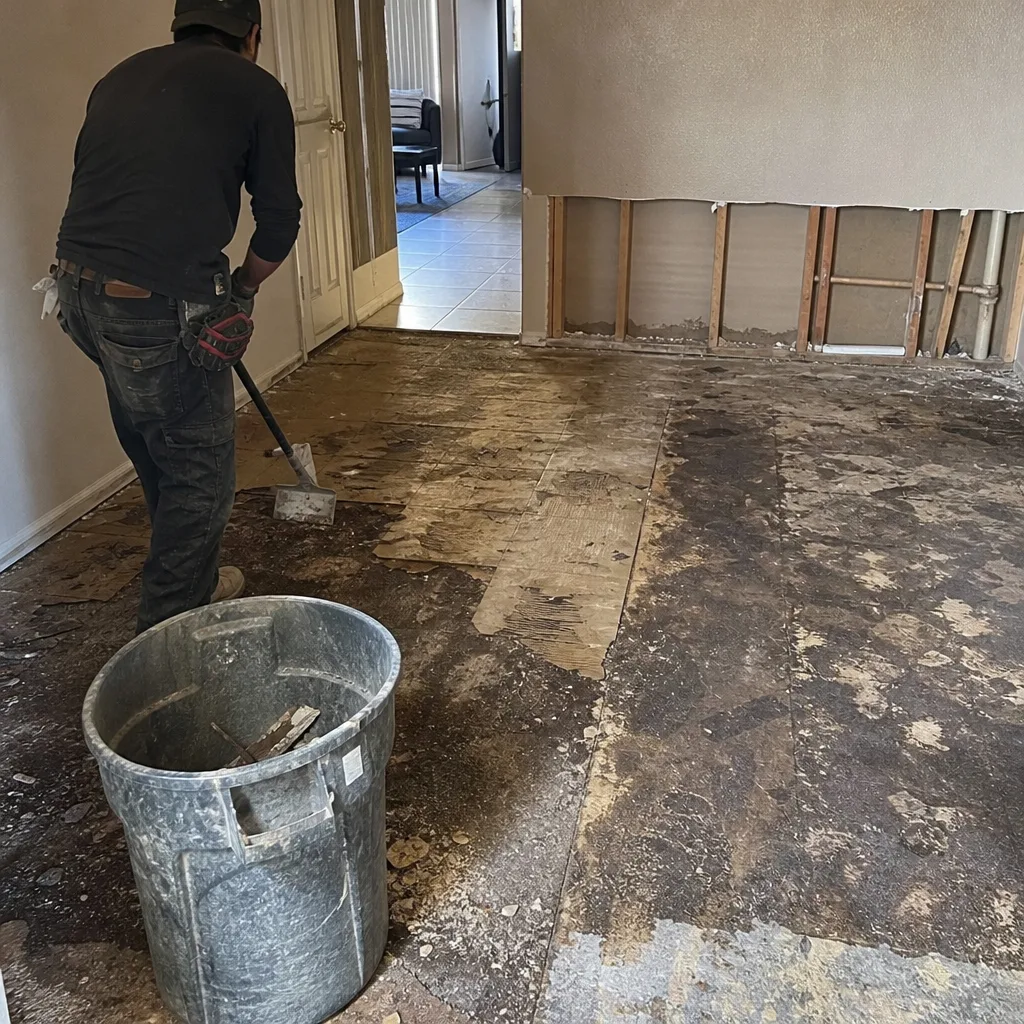 Before
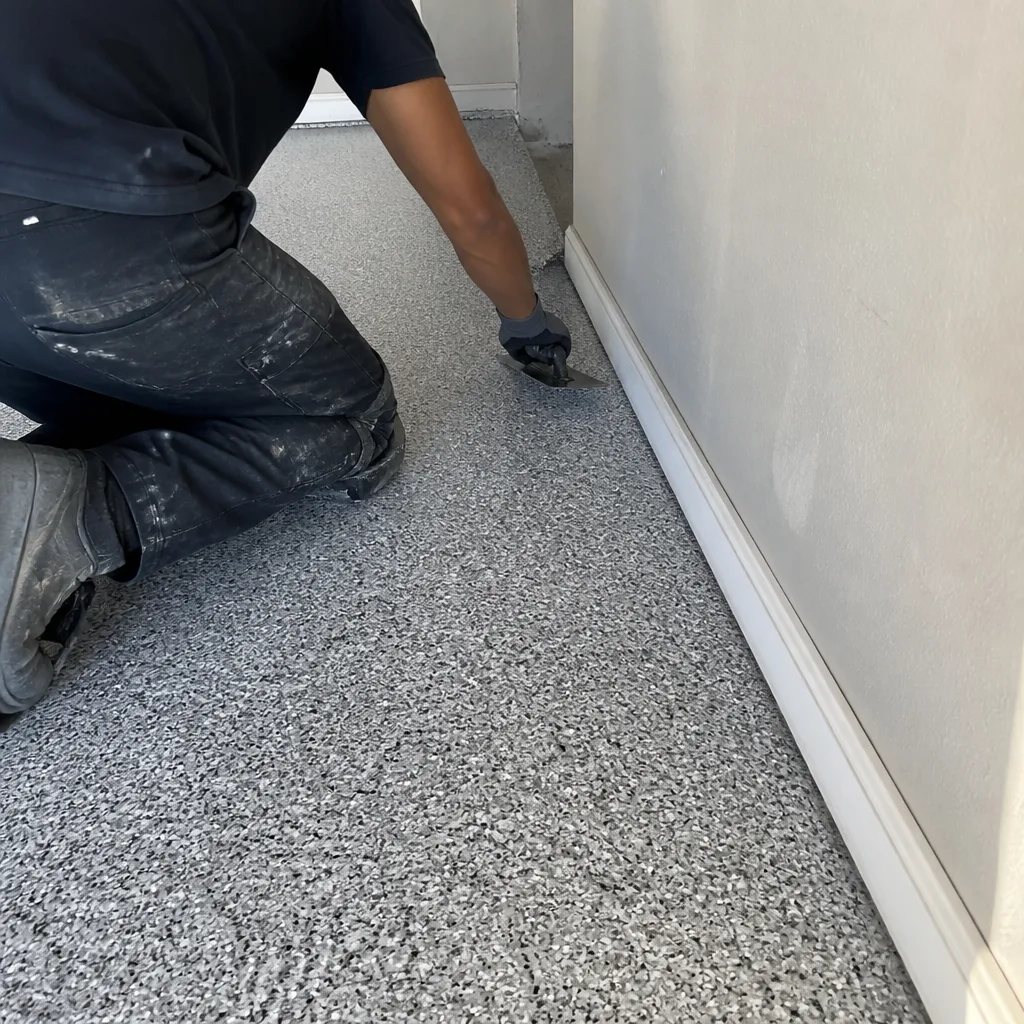 After
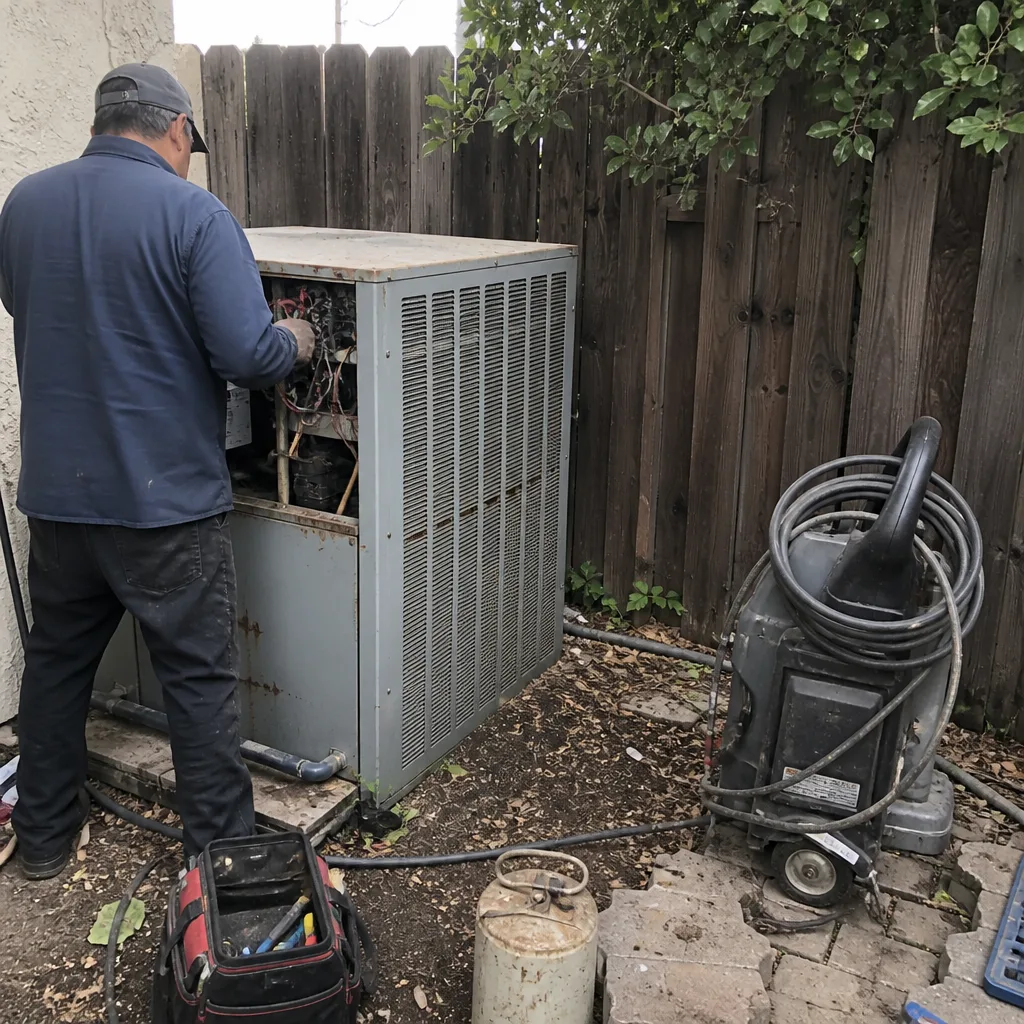 Before
 After
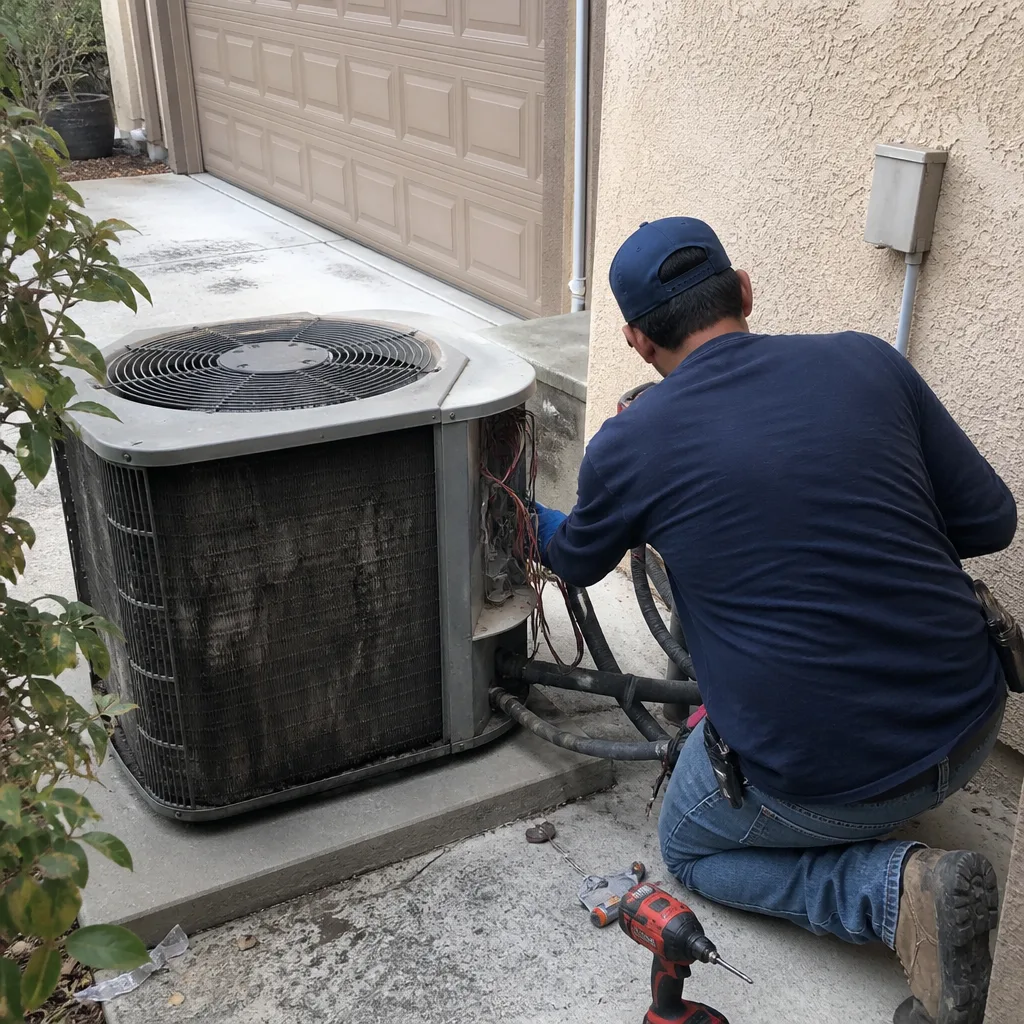 Before
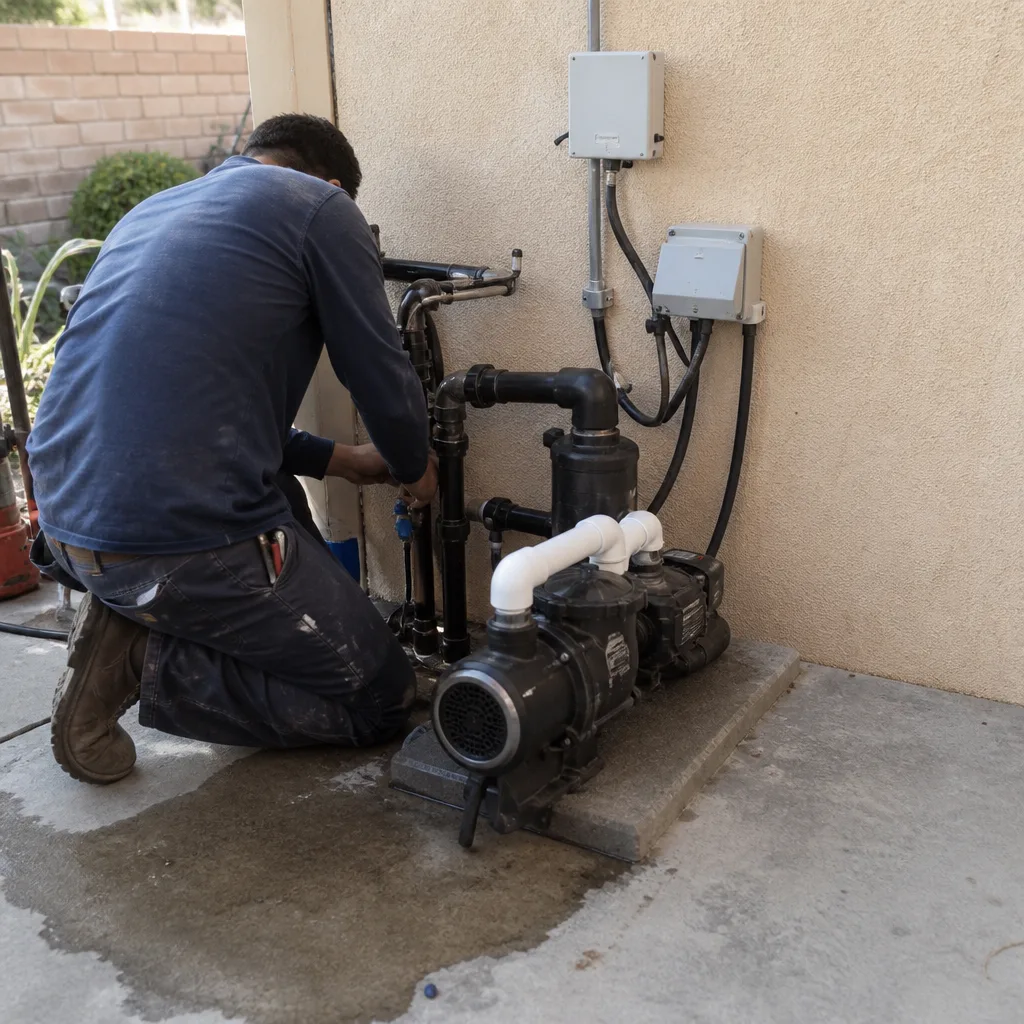 After
When to Call a Professional
Some construction projects are genuinely DIY-friendly: painting a room, replacing a faucet, swapping a light fixture. But the moment your project involves structural modification, plumbing or electrical relocations, roofing, windows, or anything that requires a permit, you’re past the DIY line. Corona’s permit and inspection process exists to protect you, and unpermitted work becomes your legal liability when you sell the home. If your project touches multiple trades, or if you’re planning an ADU or prefab structure where manufacturer specifications and local building codes intersect, you need a general contractor with the right license classification and Riverside County experience. Gold Star Contractors offers free estimates in Corona – call (833) 382-8544 or use the contact form on our Gold Star Contractors home page to schedule a walkthrough of your project.
Frequently Asked Questions
A mid-range kitchen remodel in Corona typically runs $35,000 to $70,000 depending on cabinet lines, countertop material, and whether the layout changes. Bathroom remodels generally land between $18,000 and $40,000. Full-home renovations vary widely by square footage and scope, but $150 to $350 per square foot is a realistic planning range for quality materials and full-scope general contracting. Call (833) 382-8544 for an exact quote, estimates are free.
Plan check timelines in Corona vary by project type, but homeowners should expect anywhere from two to eight weeks for a residential remodel permit, with larger additions or ADUs taking longer. Your contractor should be able to give you a realistic timeline based on current city workload at the time of your bid, not a generic answer that ignores the calendar.
A B license (General Building Contractor) authorizes the holder to manage and perform projects involving two or more unrelated trades, which is what most remodels, additions, and ADUs require. A C license is a specialty classification limited to one trade, such as roofing, plumbing, or electrical. For any project where multiple trades intersect, you need a B-licensed general contractor to hold the permit and own the full scope.
Yes, a California contractor license is valid statewide. The question isn’t legality, it’s experience. Corona sits in Riverside County, which has its own building department, inspection procedures, and plan check timelines. A contractor who works primarily in LA County may be licensed but unfamiliar with the local process, which costs you time. Ask for proof of recent Riverside County project completions before hiring.
A complete Corona construction contract should include a line-item scope of work, named material brands and product lines, a written exclusions list, a fixed-price change order procedure, a payment schedule tied to milestones, and explicit language stating who pulls which permits. If any of these elements is missing, the contract has a scope gap, and scope gaps become change orders. Call (833) 382-8544 for a free estimate with a written line-item scope.
Yes, ADUs in Corona require building permits, and the project must comply with California ADU regulations plus Riverside County and city-specific zoning rules. Prefab ADU manufacturers like Abodu and Dvele handle much of the engineering documentation, but a general contractor still needs to manage site work, foundation, utility connections, and the permit process. This is a multi-trade project that belongs under a B-licensed general contractor.
The Bottom Line
Hiring a construction contractor in Corona is a filtering exercise, and the filters are specific: verify the CSLB license classification, not just the active status. Demand line-item bids that name actual material brands, not vague allowances. Look for Riverside County project experience, because the permit and inspection timeline in Corona is its own process. Read the contract’s exclusion list and change order clause before you sign, and understand that the coordination model matters more than the sticker price. A full-scope general contractor with a real brand portfolio and a written scope of work is the closest thing to certainty this industry offers. From the roofline to the countertop, and the ADU out back, you want one accountable contract, one point of contact, and a contractor who specifies the brand, manages the install, and stands behind the result.
Written by the team at Gold Star Contractors, serving Corona since 2012.