

Last updated October 31, 2026
 Home additions & ADU
 Kitchen remodeling
 Bathroom remodeling
 Roofing
 Windows & doors
 Driveway & pavers
 Fence
Free written scope consultation - allowances, timeline, and change-order rules on paper before a single trade is scheduled
General Contractor Maintenance Checklist for Corona Homeowners
A cracked driveway apron in Corona isn’t a cosmetic issue. It’s often the first visible symptom of expansive clay soil movement that will reach your foundation within two to three seasons if unchecked. What starts as a hairline fissure in your concrete becomes a $4,000 to $15,000 foundation repair because the same soil pressure that cracked the apron is now pressing laterally against your stem wall. This guide walks through the maintenance sequence that actually matters in Corona: the clay expansion cycle, the Santa Ana wind window, the heat-driven attic and HVAC stressors, and the cross-trade failures that specialized vendors routinely miss. You’ll learn what to inspect, when to inspect it, and which issues demand our General Contractor services versus a handyman’s patch.
Styles & brands we work with
Quick Answer
A Corona home maintenance checklist should prioritize clay soil drainage and foundation inspection, Santa Ana wind preparation for roofing and fencing, attic ventilation and HVAC checks before summer heat loads, and cross-trade moisture detection where plumbing and roofing systems meet. The most important maintenance window is October through November, before Santa Ana winds and winter rains arrive. Gold Star Contractors can assess your entire property in a single visit and give you a prioritized repair list based on what we see across all trades, not just one specialty. See more guides & resources on our blog.
Table of Contents
- The Clay Soil Expansion Cycle: Corona’s Foundation Threat
- Santa Ana Wind Season: What Fails First
- HVAC and Attic Ventilation: The Corona Heat Load
- Cross-Trade Failures: What Specialized Vendors Miss
- The Month-by-Month Maintenance Calendar for Corona
- Exterior Systems: Roofing, Siding, and Fencing Checks
- Interior Systems: Plumbing, Electrical, and Moisture
- ADU and Prefab Structure Maintenance
- Common Mistakes to Avoid
- When to Call a Professional
- Frequently Asked Questions
- The Bottom Line
The Clay Soil Expansion Cycle: Corona’s Foundation Threat
Corona sits on a mix of expansive clay soils, particularly in the neighborhoods east of the 15 freeway and south toward the Cleveland National Forest foothills. These soils absorb water during winter rains and expand by as much as 10% in volume. When summer heat arrives, they dry and contract. This repeated expansion and contraction cycle is the single most common cause of foundation movement we document in older Corona homes built before modern post-tension slab standards became widespread.
The expansion cycle follows a predictable annual pattern. Here’s what actually happens under your home:
- November through February: Rain saturates the clay. The soil expands, lifting the perimeter of your slab and putting upward pressure on floor framing.
- March through May: The soil begins drying. Differential drying starts at slab edges where sun exposure is highest. This creates uneven support.
- June through September: Full contraction. The soil pulls away from the foundation edge, sometimes leaving a visible gap. Interior cracks that opened during winter may partially close, which homeowners mistake for the problem “fixing itself.”
- October: The first rain of the season hits dry, cracked soil. Water rushes through surface cracks directly to the foundation perimeter, causing sudden, localized expansion.
What should you inspect at each phase? During winter, walk the exterior perimeter and look for water ponding within 3 feet of the foundation. Check that downspouts discharge at least 5 feet from the slab edge. In summer, inspect interior drywall for new cracks above door frames and at wall-ceiling intersections. Hairline cracks that widen seasonally indicate active soil movement, not simple settling.
A general contractor who knows Corona’s soil composition will recommend specific drainage corrections before recommending crack repairs, as covered in our General Contractor Troubleshooting: Common Problems and How to Fix Them. Patching drywall without addressing the water source is a recurring expense. Regrading the yard, extending downspouts, or installing an exterior drainage channel often costs less than the repeated cosmetic repairs.
Santa Ana Wind Season: What Fails First
Santa Ana wind events in Corona routinely reach 50 to 70 mph gusts, and the 2011 and 2020 wind events exceeded 80 mph in the Santa Ana River corridor. These winds don’t just blow leaves around. They exploit every loose fastener, every worn seal, and every marginal installation on your home’s exterior.
The failure sequence we see most often follows this order:
- Roof edge flashing and ridge vents loosen first. Wind gets under the leading edge of a shingle or tile and starts lifting. Once one fastener fails, adjacent fasteners carry more load and fail progressively.
- Fence systems rack and tear at post bases. Corona’s clay soil already stresses fence posts through seasonal movement. Santa Ana winds apply lateral force that tests the post-to-concrete connection. Aluminum fencing systems from manufacturers like Jerith and Ameristar hold up better than wood in sustained wind because the pickets allow air passage while maintaining structural rigidity.
- Exterior cladding and window seals flex. Impact-rated window systems from brands like PGT and CGI are engineered for high-wind zones, but standard residential windows with deteriorated weatherstripping will leak air and allow dust intrusion during wind events.
October is the month to act. Walk your roof line with binoculars and look for lifted shingle edges, displaced ridge caps, or visible underlayment. Check fence posts for wobble by hand. Inspect window and door weatherstripping for compression set, which is when the foam or rubber stops bouncing back and leaves a gap. A full-scope general contractor can handle all three inspections in one visit, which is more efficient than scheduling a roofer, a fence contractor, and a window specialist separately.
HVAC and Attic Ventilation: The Corona Heat Load
Corona regularly sees summer temperatures above 100 degrees, and your attic can reach 140 to 160 degrees on those days. That heat doesn’t stay in the attic. It radiates down into your living space, forcing your HVAC system to work harder, and it bakes the asphalt shingles from below, shortening their service life.
The maintenance checks here are specific to our climate:
- Verify attic intake ventilation. Soffit vents in older Corona homes are often painted over or blocked by insulation. A balanced attic ventilation system needs intake at the eaves and exhaust at or near the ridge. One without the other doesn’t work.
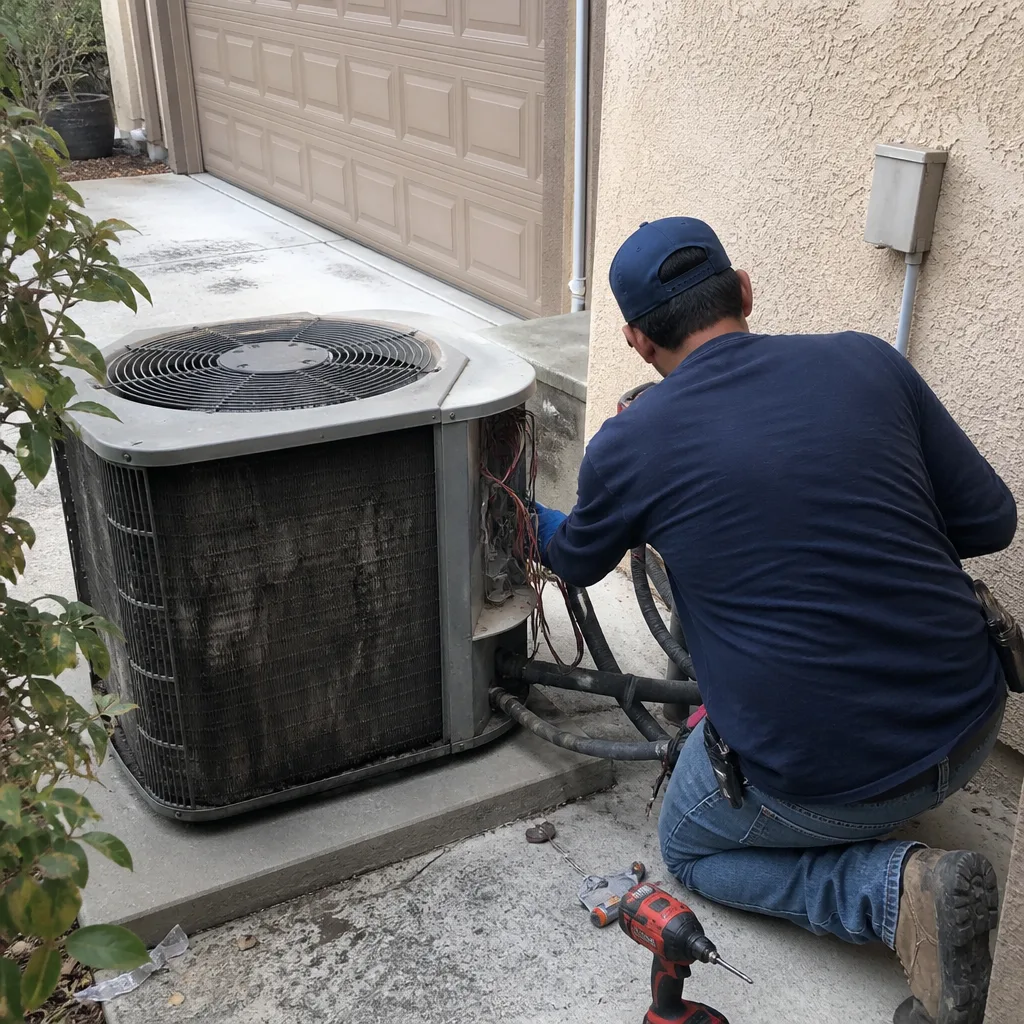
- Check the condenser coil clearance. Your outdoor AC unit needs at least 24 inches of clear space on all sides. Bushes, fences, and stored items restrict airflow and force the compressor to run hotter and longer.
- Inspect duct insulation in the attic. Corona’s heat means attic ductwork carries cooled air through a 140-degree environment. R-6 duct insulation degrades over time, and every tear leaks conditioned air into the attic.
- Replace filters on a schedule tied to dust season. Santa Ana winds fill the air with fine dust. During October and November, check filters monthly. During lower-dust months, every 60 to 90 days is acceptable.
One maintenance item many homeowners skip is the condensate drain line. In Corona’s dry heat, the line can develop algae and mineral buildup during the cooling season. A clogged line backs water into the drain pan, which can overflow into the ceiling below. Pouring a cup of white vinegar through the line twice each summer is a simple preventive step.
Cross-Trade Failures: What Specialized Vendors Miss
This is where a single-source general contractor provides value that five separate specialists cannot. Most tradespeople are trained to look at their own trade’s work. A roofer checks the roof. A plumber checks the pipes. A drywall contractor patches visible damage. But many home failures in Corona span multiple trades, and the root cause sits in one trade while the symptom appears in another.
Here are the most common cross-trade issues we identify in Corona homes:
- Plumbing-adjacent drywall that hides a roof leak. Water travels along roof sheathing, down a wall cavity, and pools at the first horizontal surface it hits, which is often a ceiling near a bathroom or kitchen plumbing line. A plumber gets called, finds no leak in the pipes, and the homeowner is left with the same stain reappearing. The actual source is a failed pipe boot on the roof, a cracked vent flashing, or a deteriorated ridge cap.
- Window condensation that’s actually a ventilation failure. Corona’s cool winter nights and warm days cause interior condensation on older single-pane windows. Homeowners often replace windows when the real fix is adding bathroom exhaust ventilation or correcting attic airflow. New windows will condense too if the indoor humidity has nowhere to go.
- Exterior stucco cracks that originate in the foundation. Stucco is rigid. When the underlying soil expands and shifts the slab, stucco cracks in predictable patterns: diagonal cracks from window corners, horizontal cracks at floor lines, and vertical cracks at wall intersections. Patching stucco without stabilizing the soil movement means the patch will crack again within two seasons.
A general contractor walks your property with all trades in mind. When we see a drywall stain near a bathroom, we check the roof first, then the plumbing. When we see stucco cracks, we check the drainage and foundation before recommending cosmetic repair. That sequence saves homeowners from paying for the wrong fix twice.
The Month-by-Month Maintenance Calendar for Corona
Generic maintenance checklists break the year into four seasons. Corona doesn’t have four seasons. We have a wet season, a wind season, a heat season, and a short transition window in early fall. Here’s the maintenance calendar mapped to what actually happens at our latitude:
January and February: Rain and Soil Expansion
- Walk the property during and after rain. Look for ponding water within 3 feet of the foundation.
- Check that all downspouts discharge at least 5 feet from the slab.
- Inspect roof valleys and flashing for debris that slows water flow.
- Monitor interior door operation. Doors that stick in winter may indicate slab movement from soil expansion.
March and April: Transition and Drying
- Reinspect any winter floor or wall cracks. Note whether they’re widening or closing.
- Clean gutters after winter storms deposit debris.
- Check exterior paint and caulking for separation caused by seasonal movement.
- Service the irrigation system before summer heat stress begins.
May through August: Peak Heat Load
- Verify attic ventilation is unobstructed. Check soffit vents for paint or insulation blockage.
- Service the HVAC system before the hottest weeks. Clean condenser coils and check refrigerant charge.
- Check condensate drain lines monthly for algae buildup.
- Inspect exterior caulking around windows and doors. Corona’s UV exposure breaks down caulking faster than coastal climates.
September and October: Santa Ana Preparation
- Inspect roof fasteners, ridge caps, and edge flashing. Secure anything loose before wind season.
- Check fence posts for wobble. Tighten or reset posts before Santa Ana winds test them.
- Trim trees and remove dead branches that could fall on structures or fences.
- Replace worn weatherstripping on all exterior doors and windows.
November and December: First Rains and Winter
- Clean gutters one final time before winter rains arrive.
- Walk the roof or have it inspected after the first significant rain.
- Check crawlspace or basement moisture levels after rain events.
- Schedule any exterior repairs that couldn’t be completed in fall before cold weather complicates materials.
Exterior Systems: Roofing, Siding, and Fencing Checks
Corona’s climate is tough on exterior materials. UV exposure is intense, temperature swings are wide, and Santa Ana winds carry abrasive dust. Your exterior systems need different inspection protocols than homes in coastal or colder climates.
Roofing: Walk the roof or inspect from the ground with binoculars each fall. Look for curling shingle edges, missing granules in gutters, lifted flashing around penetrations, and cracked tile if you have a tile roof. Corona’s heat accelerates asphalt shingle aging. A roof rated for 25 years in a mild climate may last 15 to 18 years here. If your roof shows granule loss in the gutters, that’s the shingle surface breaking down, and it’s worth having a contractor assess remaining life before a leak develops.
Siding: James Hardie fiber cement siding performs well in Corona’s climate because it resists UV degradation and doesn’t warp with heat the way vinyl can. But even fiber cement needs inspection at butt joints and around window openings where seasonal movement stresses the installation. Check for gaps in caulking, water staining below joints, and any boards that have shifted. Repainting intervals in Corona run shorter than coastal cities because of UV intensity. Expect to repaint exterior siding every 5 to 8 years.
Fencing: Wood fencing takes the worst of both Corona’s soil movement and wind load. Posts set in clay soil shift seasonally, and Santa Ana winds rack the entire fence panel. Check each post by hand at least twice a year. A post that moves more than half an inch when pushed should be reset. Aluminum and steel fencing from manufacturers like Master Halco, Jerith, and Ameristar offers better wind resistance and doesn’t twist with moisture changes the way wood does. If you’re replacing fencing in Corona, engineered systems cost more upfront but typically outlast wood by 15 to 20 years in our climate.
Interior Systems: Plumbing, Electrical, and Moisture
Interior maintenance in Corona homes is less about seasonal urgency than about catching slow failures before they become visible damage. The most expensive interior repairs we see are not sudden catastrophes. They’re slow leaks that ran unnoticed for months or years.
Plumbing: Check under every sink twice a year. Feel the P-trap and supply lines for moisture. Look for mineral deposits on shutoff valves, which indicate slow seepage. Check the water heater for corrosion at fittings and test the pressure relief valve annually. Corona’s water has moderate to high mineral content, which shortens the life of rubber washers and valve seals. If you hear running water when no fixture is in use, you have a leak somewhere.
Electrical: Walk the home and test every GFCI outlet monthly using the test button. Feel outlet covers for warmth, which indicates a loose connection or overloaded circuit. Corona’s summer heat drives heavy AC usage, and older panels from the 1970s and 1980s sometimes struggle with modern loads. If you notice lights dimming when the AC starts, have an electrician check the panel and service entrance.
Moisture: The bathroom and kitchen zones are where moisture problems concentrate. Check caulking around tubs, showers, and sinks. Look for discolored grout, which means water is penetrating the tile substrate. Check ceiling paint below bathrooms for water stains. Check the bathroom exhaust fan for proper operation. A fan that runs quietly but doesn’t remove moisture is often disconnected in the attic or the duct has separated.
ADU and Prefab Structure Maintenance
Accessory dwelling units in Corona face the same climate forces as the primary residence, but many homeowners treat the ADU as a set-and-forget structure. Prefab and modular units from manufacturers like Plant Prefab, Abodu, and Dvele are engineered structures, but their components still require inspection and maintenance like any building.
The maintenance checklist for an ADU or prefab structure includes:
- Foundation and anchoring: Prefab units sit on engineered foundations or pier systems. Check for visible settling or movement where the structure meets the foundation. Corona’s clay soil affects ADU foundations the same way it affects primary structures.
- Roof and flashing: Check membrane seams and flashing at roof penetrations. Factory-built structures have precise tolerances, but field connections at utilities and roof edges are where leaks develop.
- Utility connections: Inspect where water, sewer, and electrical lines enter the structure. These transitions are the most common failure points in prefab construction.
- Ventilation: Smaller living spaces heat up faster. Verify that the ADU’s ventilation system is properly balanced and that filters are replaced on schedule.
If you’re considering adding an ADU in Corona, working with a contractor who has prefab expertise matters. The permitting, site preparation, and utility connection work for prefab structures requires different sequencing than stick-built construction. A full-scope general contractor who manages prefab installation coordinates the manufacturer, the site work, and the utility connections so the project doesn’t stall between the factory and the final inspection. Learn more in How to Hire a Construction Contractor in Corona: A Step-by-Step Guide.
Common Mistakes to Avoid
- Patching cracks without addressing drainage first. Drywall, stucco, and concrete patches will fail again if the water source or soil movement isn’t corrected. Fix drainage, then cosmetics.
- Skipping October wind preparation. By the time the first Santa Ana warning hits, roofing contractors and fence repair crews are booked for weeks. Do the work before the season starts.
- Treating a drywall stain as a plumbing problem by default. Many ceiling stains near plumbing originate from roof leaks. Check the roof first before tearing open drywall or paying for a plumber.
- Ignoring sticking doors and windows. Seasonal sticking is a symptom of slab movement. Document when it happens and mention it to a contractor before it becomes a structural issue.
- Waiting to replace weatherstripping until you feel a draft. By then, dust and heat have already been entering for months. Inspect weatherstripping annually and replace it before it fails completely.
- Painting over stucco cracks. Paint hides the crack but doesn’t stop movement. A general contractor who understands Corona’s soil can tell you whether a crack is cosmetic or structural.
- Hiring different specialists in sequence without coordination. A roofer fixes the roof, but the fence and window seals still need attention from other contractors. One full-scope contractor can assess everything in a single visit and prioritize the work correctly.
When to Call a Professional
Not every maintenance item requires a contractor. Replacing a furnace filter, cleaning gutters on a single-story home, and testing GFCI outlets are homeowner tasks. But some situations demand a professional inspection: cracks wider than a quarter-inch in drywall or stucco, doors and windows that stick seasonally, water stains that reappear after being patched, fence posts that wobble more than half an inch, and any roof inspection on a two-story home. If you see multiple issues across different systems, a single full-scope contractor can assess the entire property and tell you what’s urgent versus what can wait. Gold Star Contractors offers free estimates in Corona. Call (833) 382-8544 to schedule a walkthrough, and we’ll give you a prioritized report based on what we find across all trades.
Frequently Asked Questions
Controlling water around the foundation is the most important maintenance task in Corona. Expansive clay soil responds dramatically to moisture changes, and keeping water away from the slab edge prevents most foundation movement. Clean gutters, extended downspouts, and proper grading protect the entire structure. If you’re unsure whether your drainage is adequate, call (833) 382-8544 for a free assessment.
Inspect your roof twice a year in Corona: once in late spring after winter rains and once in early fall before Santa Ana wind season. Corona’s UV intensity and wind exposure shorten roofing life compared to milder climates. Granule loss, lifted shingles, and damaged flashing should be addressed before they become leaks.
Yes. Corona’s expansive clay soils expand when wet and contract when dry, creating seasonal pressure on foundation walls and slabs. Homes on older slab foundations are most vulnerable. Proper drainage, consistent soil moisture around the perimeter, and monitoring for seasonal cracks are the best preventive measures.
An ADU requires the same fundamental maintenance as a primary home: foundation inspection for settling, roof flashing checks, utility connection inspection, and ventilation filter replacement. Prefab units from manufacturers like Plant Prefab and Abodu are precision-engineered, but field connections and site utilities still need regular inspection.
Complete Santa Ana wind preparation in September and early October, before the wind season typically peaks. This includes roof fastener inspection, fence post checks, tree trimming, and weatherstripping replacement. Waiting until a wind advisory is issued means competing with every other homeowner for the same contractors.
Many contractors in Corona offer free estimates for maintenance inspections, especially when the inspection may lead to repair work. Gold Star Contractors provides free estimates in Corona. Call (833) 382-8544 to schedule an inspection, and we’ll walk your entire property with you and provide a written list of findings.
The Bottom Line
Corona’s maintenance demands are driven by three forces: expansive clay soil, Santa Ana wind, and extreme summer heat. Each force creates specific failure patterns that homeowners can spot early with the right checklist. The most important habits are controlling water around the foundation, preparing the exterior before wind season, and verifying attic and HVAC systems before peak heat. When multiple issues appear in different systems, a single full-scope contractor can often identify connections that separate specialists miss. Whether you’re maintaining your current home or planning a renovation, Gold Star Contractors home has the resources to help. If you’re looking for a General Contractor in Anaheim or planning a Home Remodeling in Anaheim, our team brings the same systematic approach. For a Home Renovation in Anaheim, we manage the entire scope from the first inspection to the final walkthrough. Call (833) 382-8544 to schedule your free estimate and get a maintenance plan tailored to your Corona property.
Written by the team at Gold Star Contractors, serving Corona since 2012.
See the difference
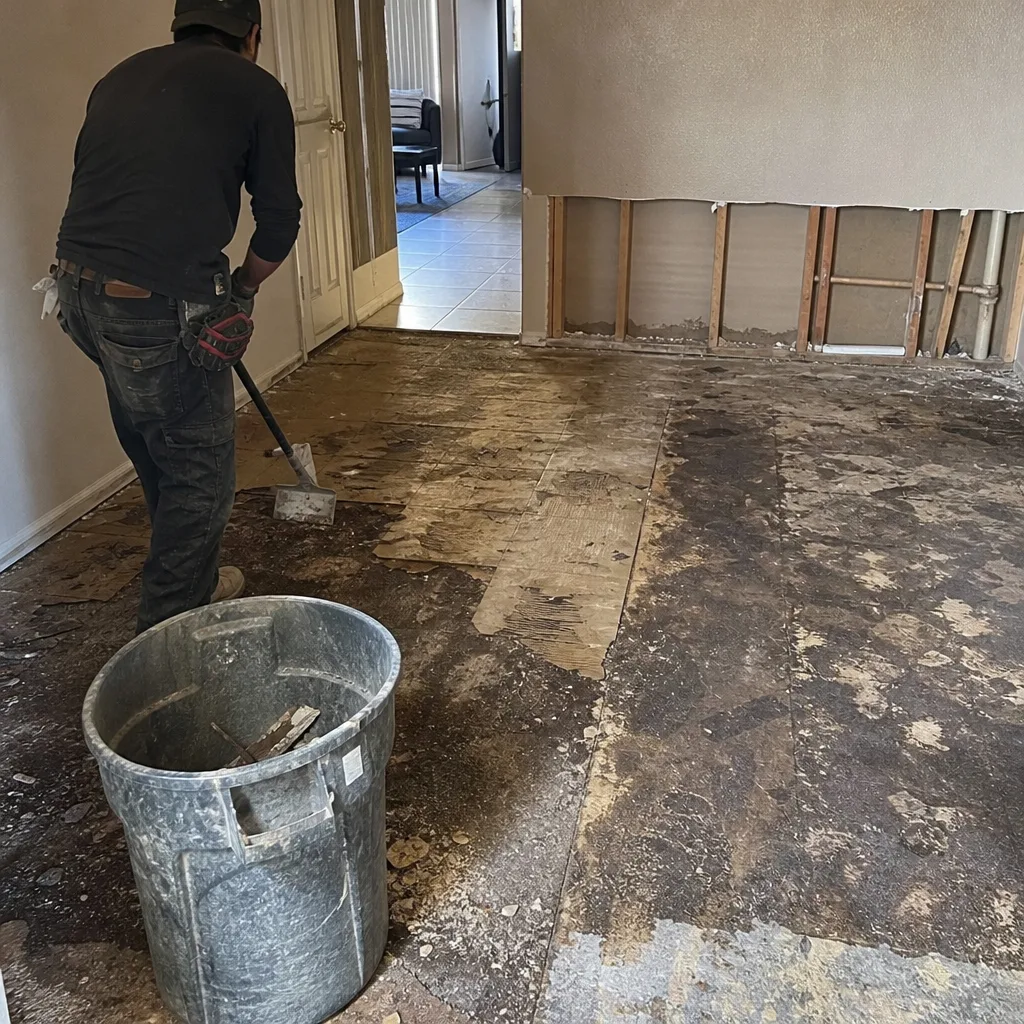 Before
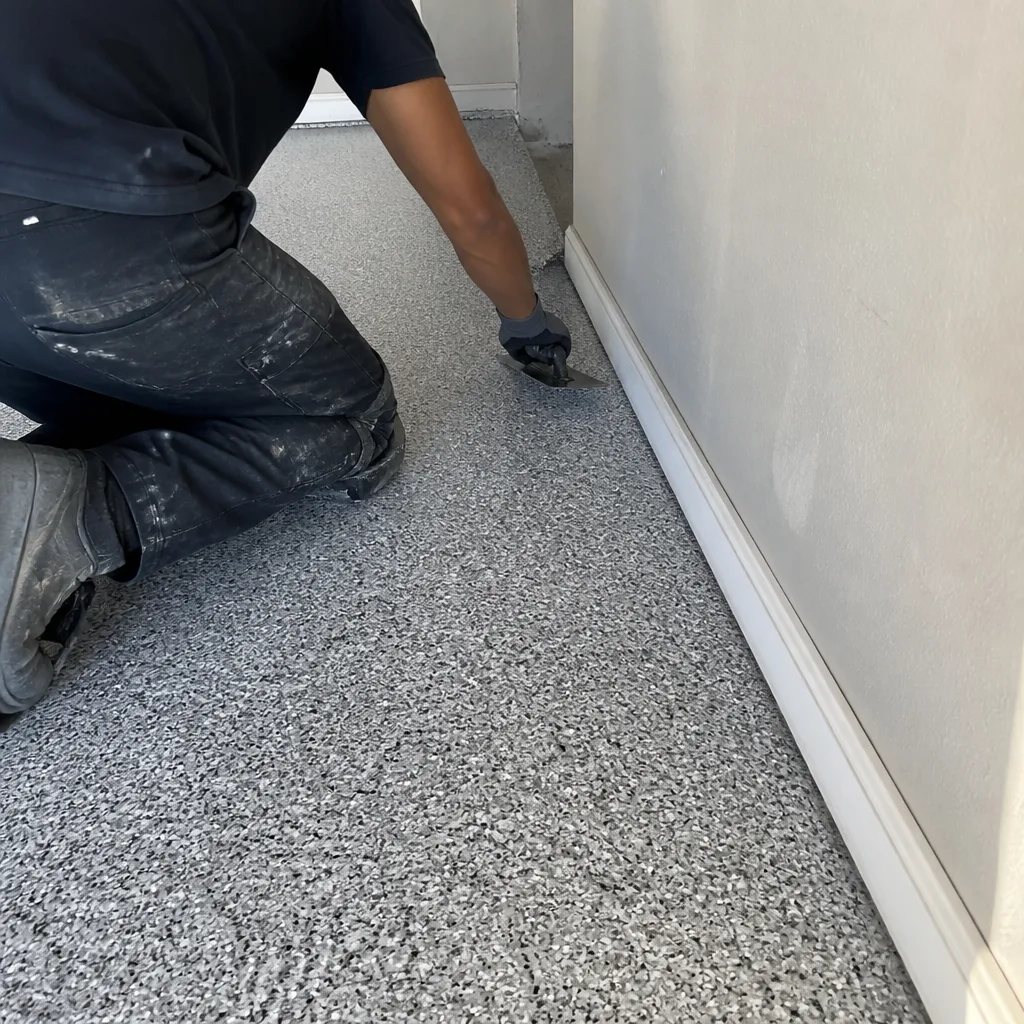 After
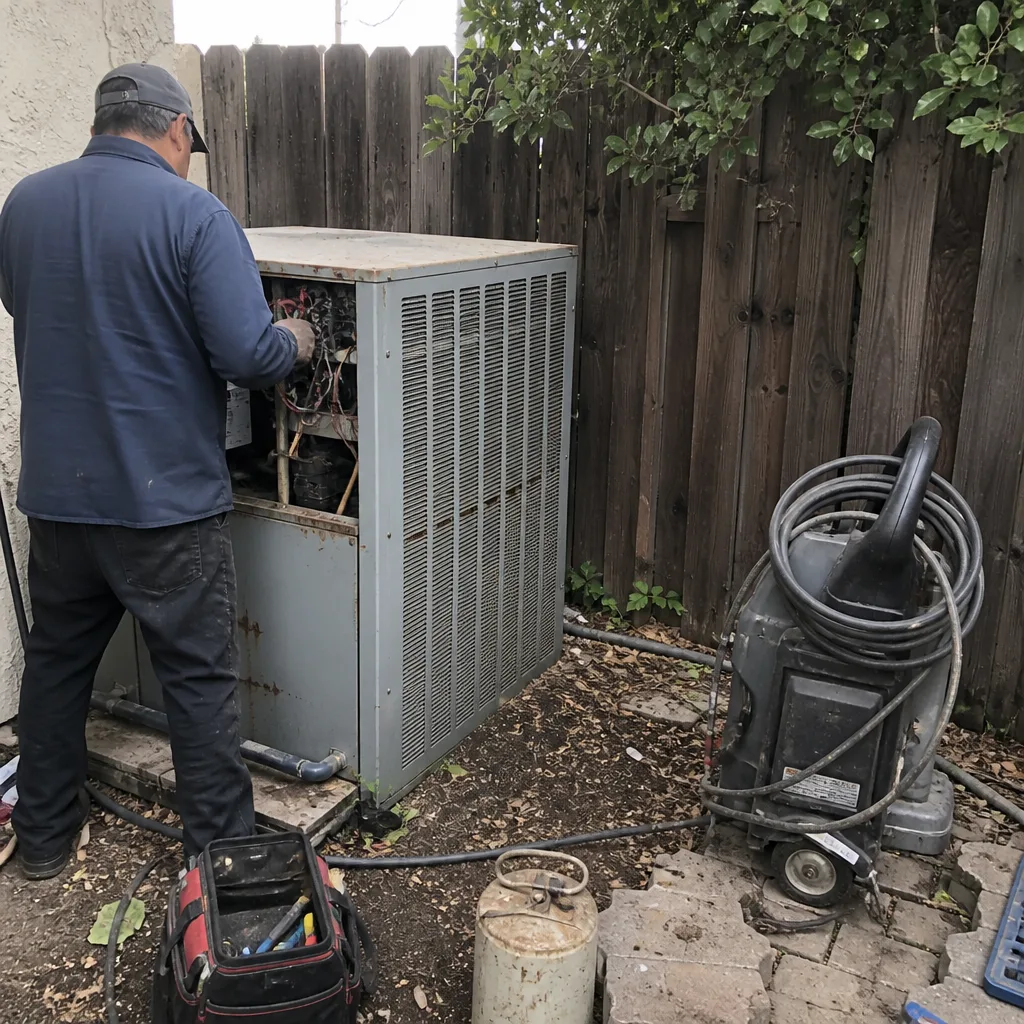 Before
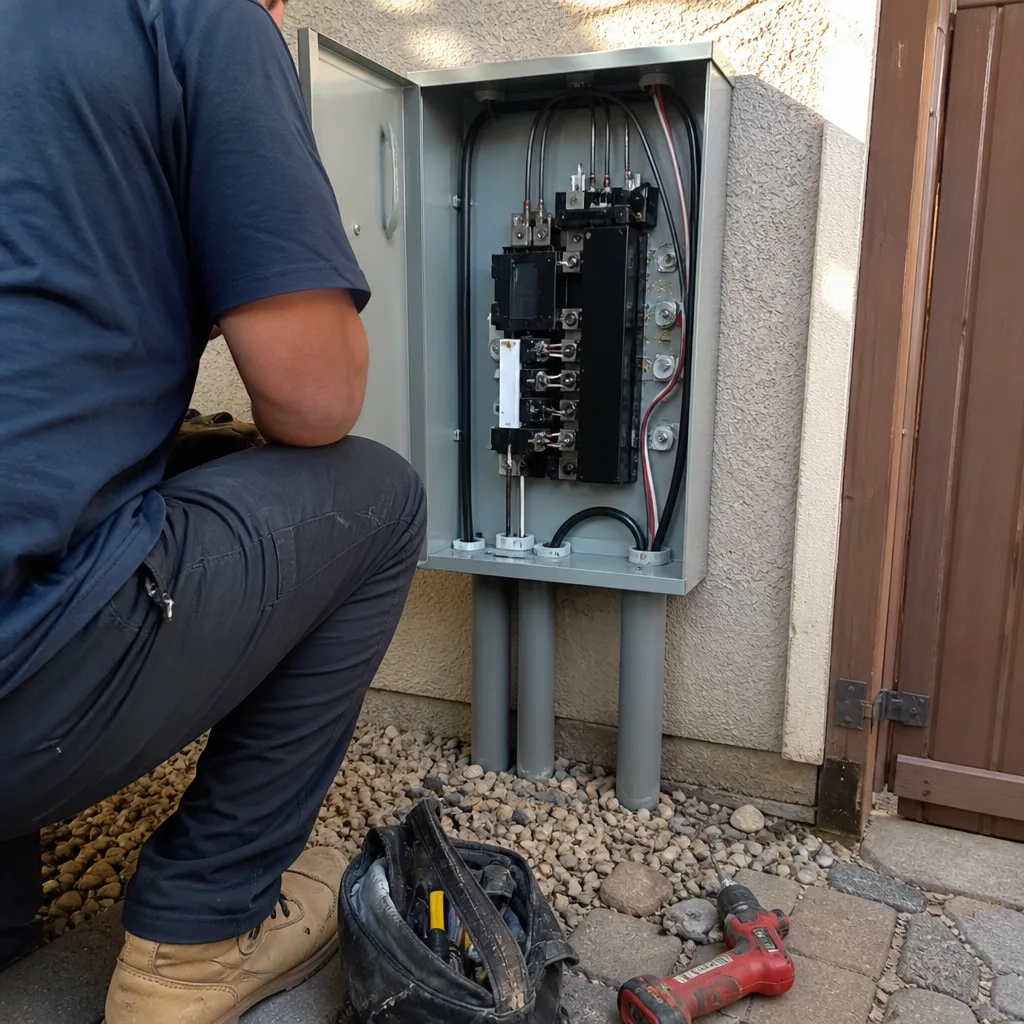 After
 Before
 After