
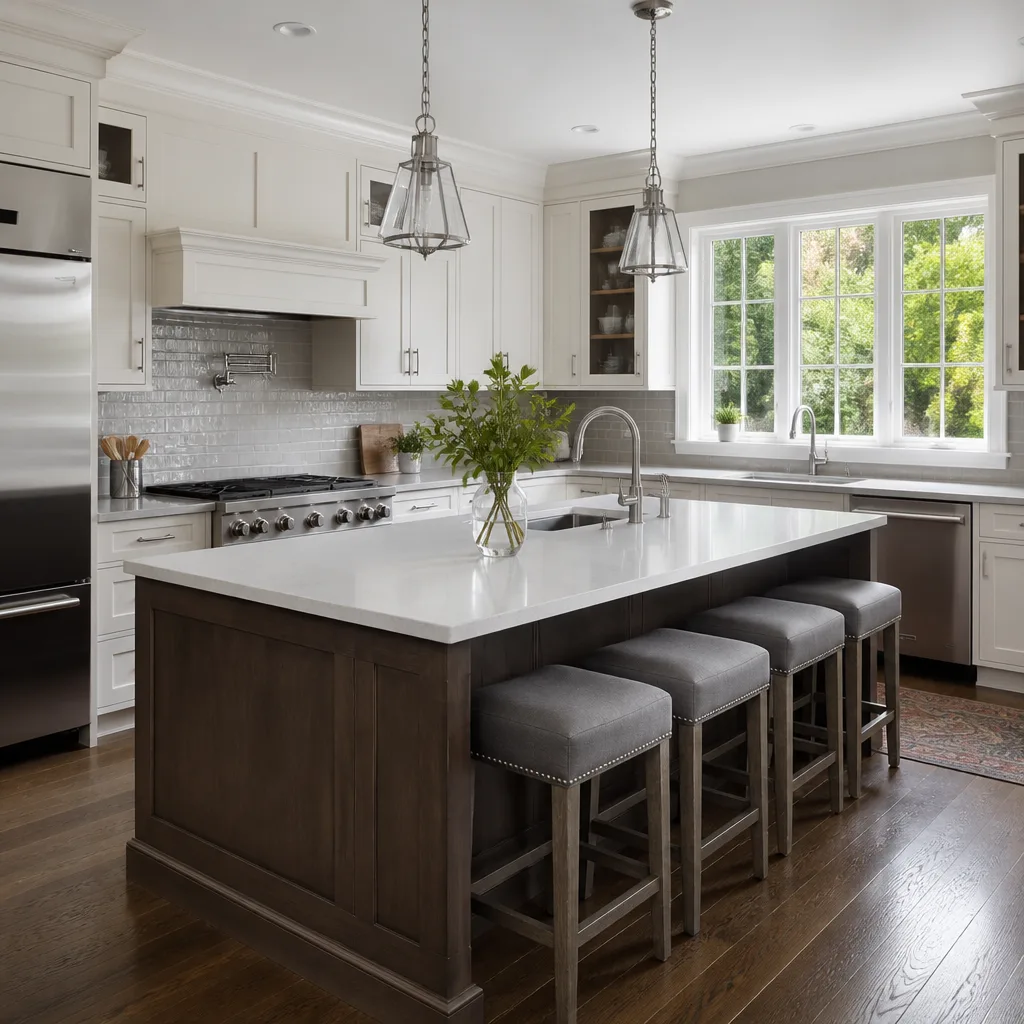
 Kitchen remodeling
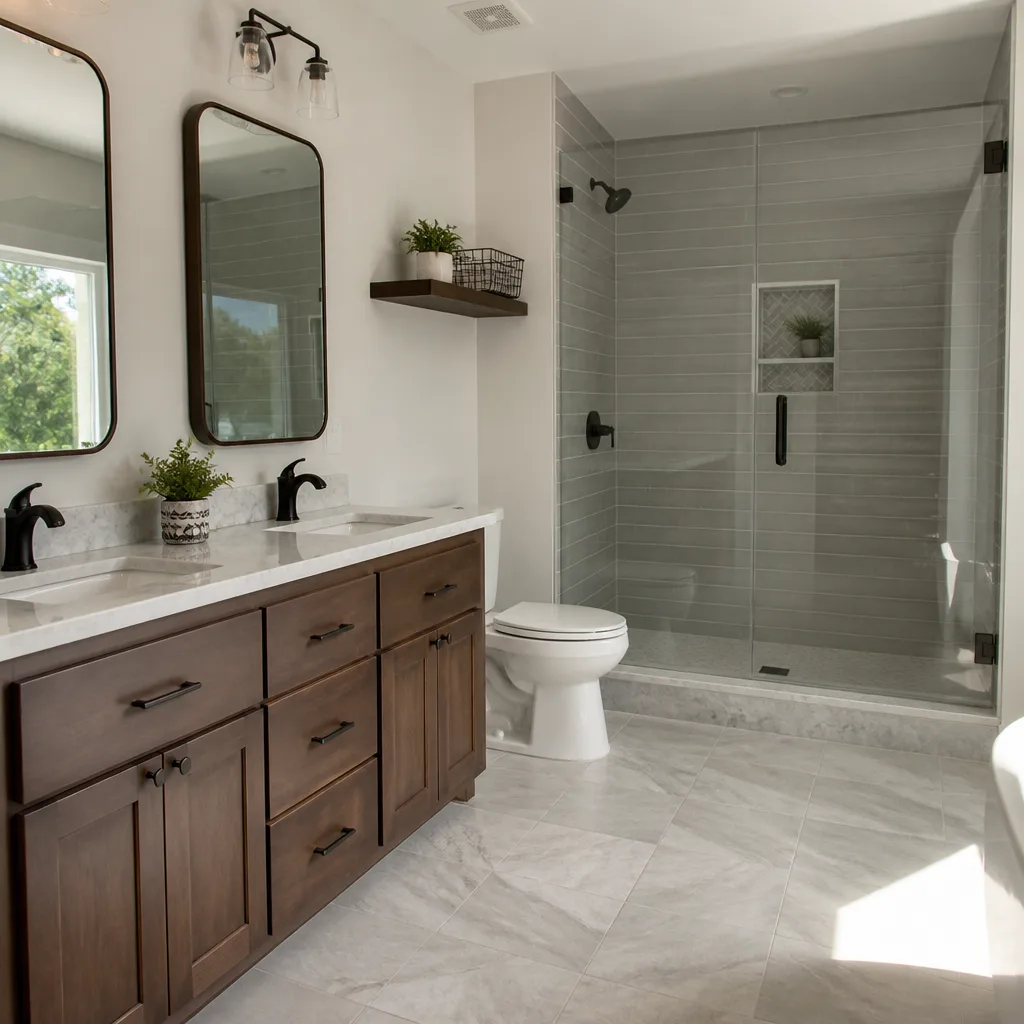 Bathroom remodeling
 Home additions & ADU
 Roofing
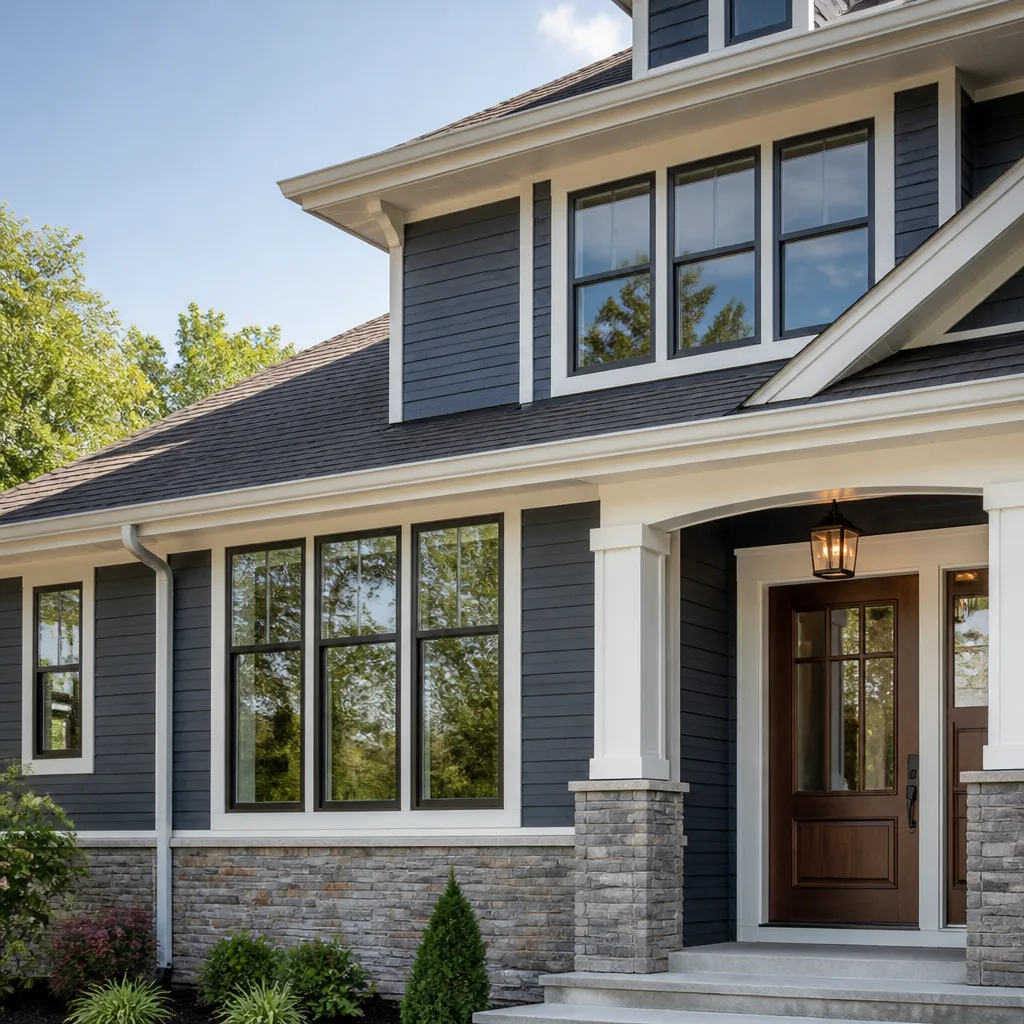 Windows & doors
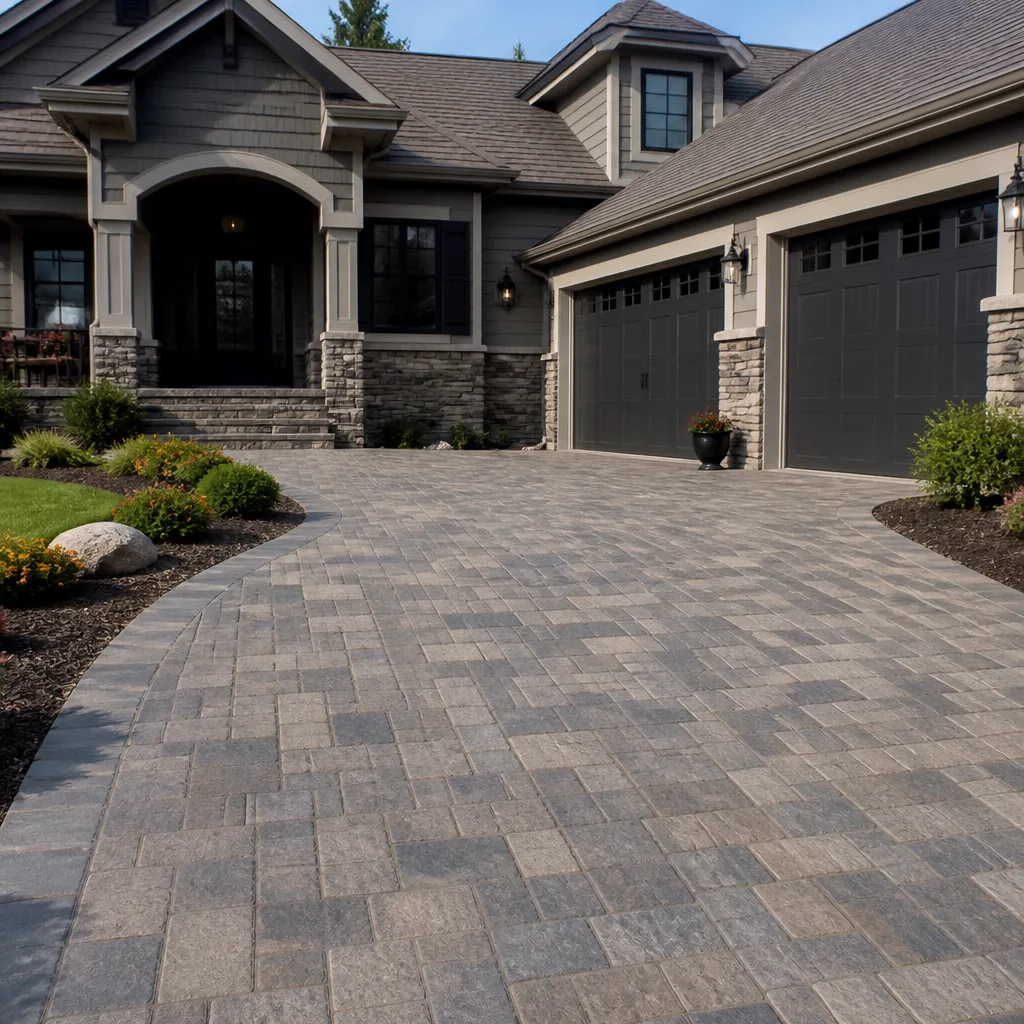 Driveway & pavers
 Fence
Free written scope consultation - allowances, timeline, and change-order rules on paper before a single trade is scheduled
Why Corona Homeowners Choose Silestone Construction
Silestone repair in Corona covers quartz countertop fabrication, island installation, backsplash work, and repair handled by a crew that works with HybriQ+ slabs every week. We’re Gold Star Contractors, an independent Silestone service provider, and we bring real slab-level expertise to Corona kitchens: wet-cutting, color-matched seaming, and edge re-polishing that generic installers skip. We are not affiliated with Silestone or its parent company Cosentino, which means our recommendations come from what the material actually does in your home, not from a dealer sales program. If you’re dealing with a chipped sink cutout, a visible seam line, or a scorched section near the cooktop, call us at (833) 382-8544 for a straight answer and a free estimate.
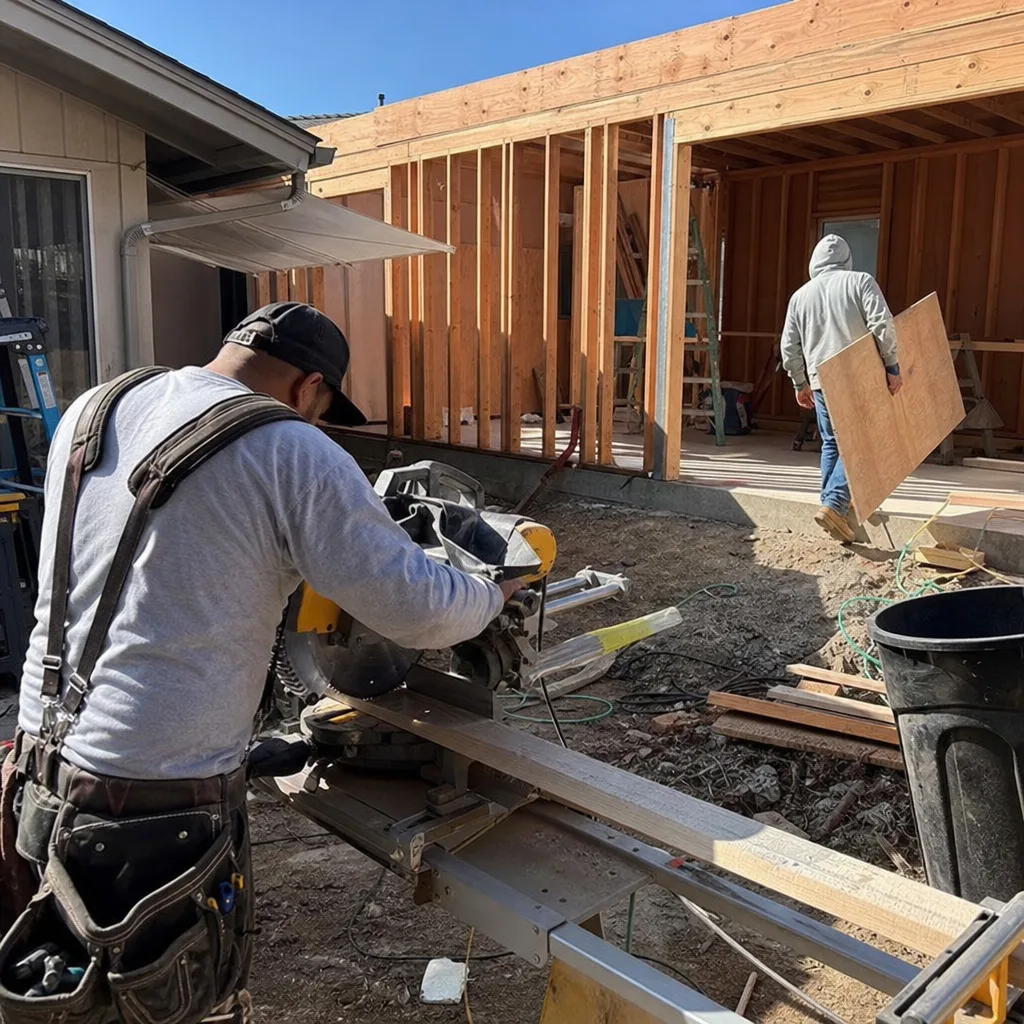
Corona’s tract housing stock from the 1980s through 2000s is now at the age where original laminate counters are coming out and quartz is going in. We see it across Corona Hills, Sierra Del Oro, Silestone in Eastvale, and south Corona every week. The homes are 25 to 50 years old, and Silestone consistently lands at the top of the materials list when homeowners shop for a surface that holds up to Inland Empire heat, heavy daily use, and the occasional holiday cooking marathon. What most people don’t learn until later is that Silestone only performs as well as the fabrication and installation behind it. That’s where we come in.
Why Trust Gold Star Contractors for Your Silestone Construction?
Silestone slabs are not like every other quartz on the rack. The HybriQ+ manufacturing process uses a different resin system and a higher percentage of recycled mineral content than older quartz formulas, and it cuts, seams, and polishes differently because of it. A fabricator who treats a Silestone Calacatta Gold slab like a generic white quartz will leave visible seams, edge chips, and a finish that never looks right. We know this because we’ve corrected enough of those jobs across Corona to see the pattern clearly.
Noel Carranza runs our operation, and he came up the long way: construction technology at Fullerton College, concrete work, finish carpentry, and years of multi-trade remodels across Orange County before building Gold Star Contractors. When Noel walks a Corona kitchen and sees a seam that should have been placed on a veining line, he doesn’t need to guess why it looks off. He knows the slab was templated without reading the material. That’s the difference between a contractor who installs Silestone and one who actually understands it.
We use color-matched seaming adhesives and diamond wet-blade tooling sized to the specific slab. We don’t run generic quartz kits on Silestone. Veining direction matters. Resin content matters. Edge profile depth matters. When you hire us, the work is warranty-safe, the seams are placed where the stone wants them, and the finished surface reads as one continuous piece, not a collection of panels.
Styles & brands we work with
Common Silestone Construction Problems We Fix in Corona
Here are the failure modes we see most often on Silestone in Corona kitchens, and the real reasons they happen.
- Polished edge chipping along sink cutouts and island corners. This is the most common call we get from Corona homeowners who had Silestone installed by a cut-rate fabricator. The cause is almost always the same: the slab was scored and snapped instead of wet-cut with a proper diamond blade. Silestone’s HybriQ+ resin is tough, but it fractures cleanly under snap pressure, and the chips appear within weeks, usually at the sink opening or a tight inside corner. Wet-cutting prevents it. Snapping invites it.
- Visible seam shadowing and adhesive haze on Calacatta Gold and Eternal Statuario. These two lines have bold, directional veining. When a fabricator butts two slabs together without matching the epoxy color to the specific vein tone in the stone, the seam reads as a dark or hazy line. The slab didn’t fail. The seam did. We re-seam with color-matched adhesive and place the joint on a veining shadow line where it disappears.
- Heat scorching and resin discoloration around cooktops. Silestone handles heat better than most quartz surfaces, but no quartz slab is a trivet. The resin in HybriQ+ surfaces will discolor and eventually bubble if a hot pan sits directly on the deck. We see burned rings around cooktops and under-mounted sinks on homes where the previous owner skipped heat shields. The repair is typically a localized diamond polish, but prevention is a heat mat and a conversation we have with every homeowner.
- Dull etching and hard-water mineral buildup on matte and low-sheen finishes. Corona’s water is hard, and the calcium and mineral content settles into every low-sheen Silestone finish left wet or cleaned with the wrong products. Acidic cleaners strip the resin surface layer, leaving dull spots that catch light differently than the rest of the slab. We strip, neutralize, and re-polish those areas, then recommend the right pH-neutral cleaner for daily use.
- Cracked slabs through sink cutouts and pulled seams on island overhangs. This is the repair-vs-replace conversation. A hairline crack through a sink cutout means the slab lost structural integrity at its weakest point. Bonding it will buy time, not fix the problem. When the seam has pulled and the two edges no longer line up, the slab has moved, and that’s usually a substrate or cabinet issue underneath. We’ll tell you honestly when a piece needs to be replaced rather than patched.
Silestone Parts & Our Repair-vs-Replace Approach
We stock color-matched seaming adhesives, diamond wet blades, and polishing compounds sized for Silestone’s specific resin and mineral content. OEM parts for a countertop slab are not really a thing the way they are for a faucet or a window: the material is the part. What matters is using the right aftermarket consumables and tooling for the specific slab generation you have. HybriQ+ cuts cleaner with a different blade speed and feed rate than older Silestone formulas, and the adhesive has to match the slab’s base tone, not just the veining.
When a chip is shallow and the slab is otherwise sound, repair and re-polishing is the honest call. When a slab has cracked through the sink cutout, the seam has pulled apart, or the heat damage has gone through the full resin layer, replacing the piece is the only fix that will last. We never dress up a structural failure as a cosmetic repair to save a few hundred dollars, because it costs more when the repair fails and the kitchen is down again. Call (833) 382-8544 and we’ll tell you which path makes sense for your situation.
Our Silestone Service Process – Step by Step
- 1
Templating and slab review. Before anything gets cut, we measure the existing layout and check the slab’s veining direction, resin consistency, and edge condition. This is where seam placement gets decided. On a Calacatta Gold island, the seam goes on a shadow line in the veining, never through the center of the slab.
- 2
Wet-cutting and edge fabrication. All Silestone cuts happen with a diamond wet blade sized to the HybriQ+ formula. No scoring, no snapping. Sink cutouts get radiused inside corners to reduce stress concentration, and edges get the profile the homeowner chose, cut clean before polishing begins.
- 3
Seaming and color-matching. We mix the seaming adhesive on-site to match the slab’s base tone and vein shadow. The joint gets pulled tight, clamped, and cured before the surface is leveled and polished. A good Silestone seam should feel like a slight texture change, not a visible line.
- 4
Installation, leveling, and sealing. The slab goes down on a level substrate with the overhang properly supported. We check for movement at the sink cutout and island corners, apply the appropriate Silestone-safe sealer, and walk the homeowner through what was done and why.
- 5
Testing and clean-up. We run water at the sink, test the cooktop clearance, check every edge and corner for sharpness, and clean the surface with a pH-neutral Silestone-safe cleaner. You get a clean, finished kitchen and a straight answer about maintenance.
See the difference
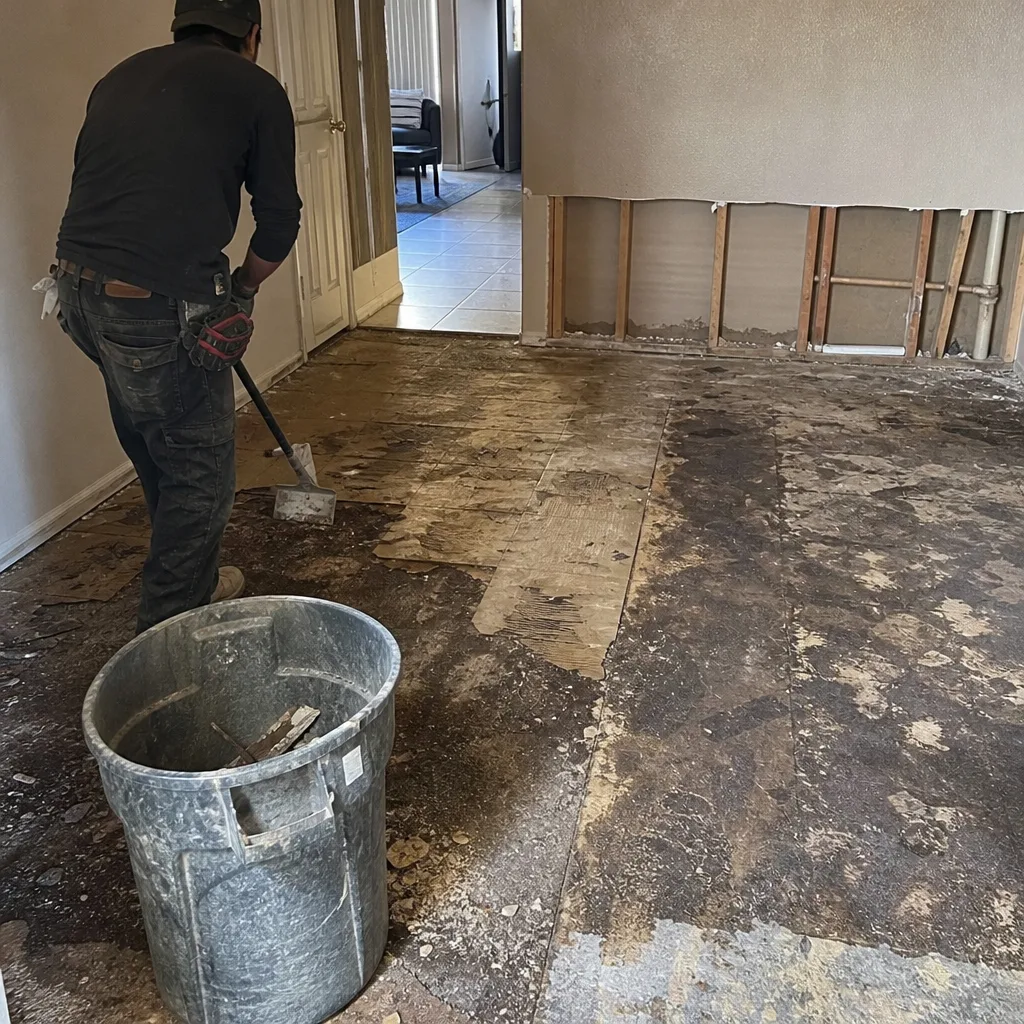 Before
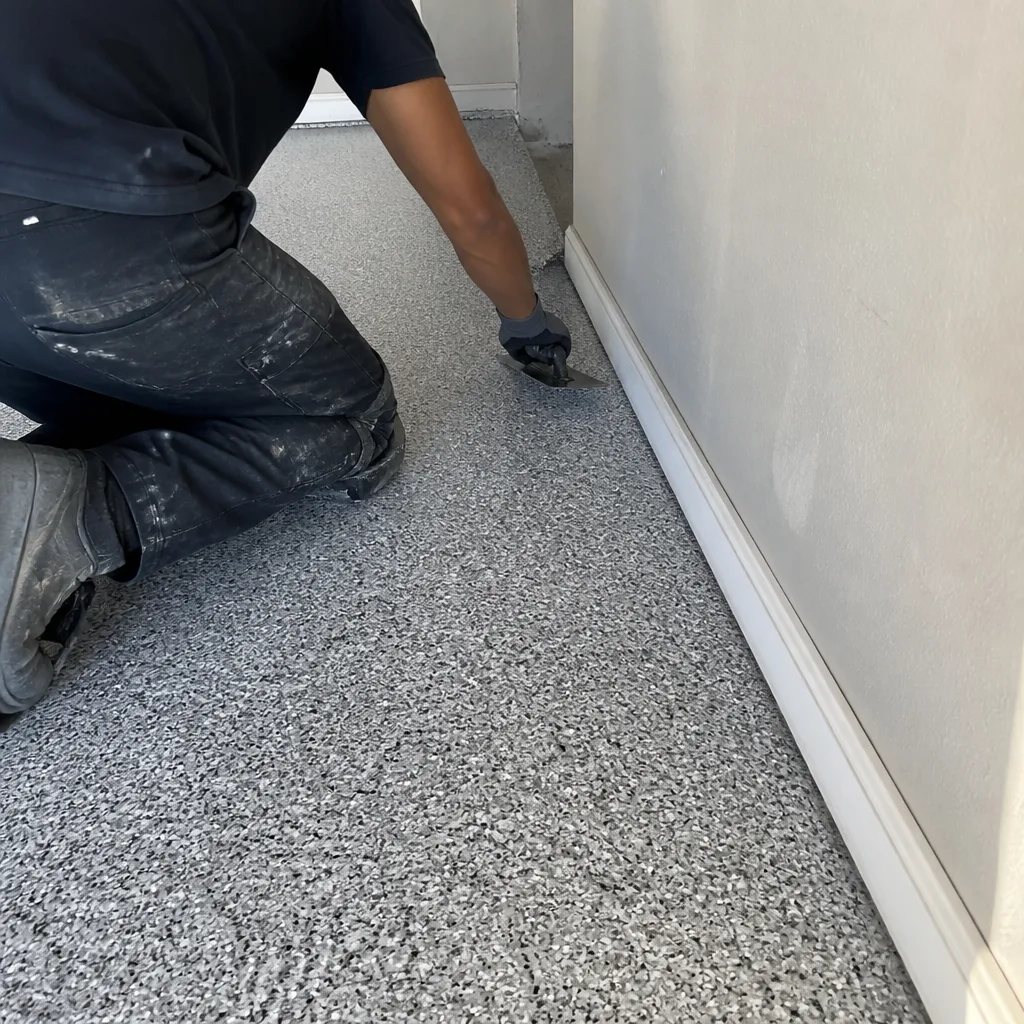 After
 Before
 After
 Before
 After
Silestone Products We Service & Install in Corona
We work with the Silestone lines homeowners in Corona actually buy. Silestone Calacatta Gold is the most requested, with its bold gray veining and bright white base. Eternal Statuario is the quieter cousin, a softer veining that suits traditional kitchens. Lyra and Ethereal Glow round out the common HybriQ+ series we template, cut, and install. We keep color-matched adhesives and polishing compounds for these lines locally stocked, so a repair call doesn’t turn into a two-week wait on a special-order kit.
We Also Service These Brands
Silestone is one surface we know deeply, but it isn’t the only one. We also install and service Cambria and Caesarstone quartz, KraftMaid cabinetry, and Kohler and Toto plumbing fixtures. That multi-brand capability matters when a Silestone repair in Home Gardens or Corona kitchen remodel touches the countertop, the sink, and the cabinets all at once. One contractor, one accountable team, no handoff gaps between trades.
FAQs – Silestone Construction Service in Corona
A shallow chip at the edge of a sink cutout can usually be repaired with a color-matched adhesive fill and a diamond polish, and the repair will hold for years if the slab is otherwise sound. If the chip is deep, the crack extends into the slab, or the cutout was snapped rather than wet-cut in the first place, replacement is the more honest recommendation. We’ll inspect it before we quote it. Call (833) 382-8544 and we’ll tell you which one you have.
A dark seam line on Calacatta Gold almost always means the seaming adhesive was not color-matched to the slab, or the seam was placed where the veining is darkest. Both are fixable. We pull the failed seam, re-cut the joint on a cleaner veining line, and mix the adhesive to match the base tone exactly. The goal is a seam you can feel with a fingernail but can’t see from standing height. Call (833) 382-8544 for a seam evaluation and a free estimate.
Silestone holds up to heat better than many quartz brands, but no quartz surface should take direct contact from a hot pan or Dutch oven. The resin in HybriQ+ will discolor and eventually bubble under sustained heat above 300°F. For a Corona kitchen island with a cooktop, we recommend a minimum clearance, proper heat shields, and good cookware habits. The slab itself is safe for island use; the failure comes when it’s treated like a cast-iron skillet rest. Call (833) 382-8544 if you’re planning an island layout and want the clearance details handled before installation.
For a backsplash in a Corona kitchen, we recommend a polished finish over matte or low-sheen. Polished Silestone sheds water faster, resists the hard-water mineral staining common in Riverside County, and cleans up easier when cooking oil and tomato sauce find their way onto the wall. Matte finishes look beautiful but need more attention on a surface that catches daily splatter. We stock blocks and slabs in both finishes, so the choice comes down to your cleaning tolerance. Call (833) 382-8544 and we’ll show you samples in your own kitchen light.
We template and fabricate on-site from full Silestone slabs. Pre-cut pieces arrive templated to someone else’s measurements and cut with whatever tooling the supplier had on hand. We wet-cut on-site so the seams land on veining lines, the sink cutout gets radiused corners, and the edge profile matches the rest of the kitchen. That level of control is the only way a Calacatta Gold island reads as one continuous surface. Call (833) 382-8544 to schedule a template and slab review.
Countertop installation in Corona runs $2,000 to $6,500 depending on slab size and complexity. Kitchen island installation runs $3,000 to $10,000. Backsplash installation runs $800 to $2,500. And a full kitchen remodel with Silestone surfaces runs $14,000 to $45,000.
| Silestone Service | Corona Price Range |
|---|---|
| Countertop Installation | $2,000 – $6,500 |
| Kitchen Island Installation | $3,000 – $10,000 |
| Backsplash Installation | $800 – $2,500 |
| Full Kitchen Remodeling | $14,000 – $45,000 |
| Small & Partial Kitchen Remodels | $9,000 – $20,000 |
Call (833) 382-8544 for an exact quote on your Silestone project. Estimates are free.
Book Your Silestone Service in Corona, CA
If your Silestone counters need repair, your island needs a re-seam, or you’re ready to put quartz on the kitchen and want it wet-cut and installed right the first time, call Gold Star Contractors at (833) 382-8544. We serve Corona, Corona Hills, Sierra Del Oro, and the surrounding Inland Empire. One call, done right. That’s the only way we know how to run a job.
Written by Noel Carranza, Owner at Gold Star Contractors, serving Corona and the Inland Empire.